Life Tips
Practical everyday know-how
Life Tips
83 posts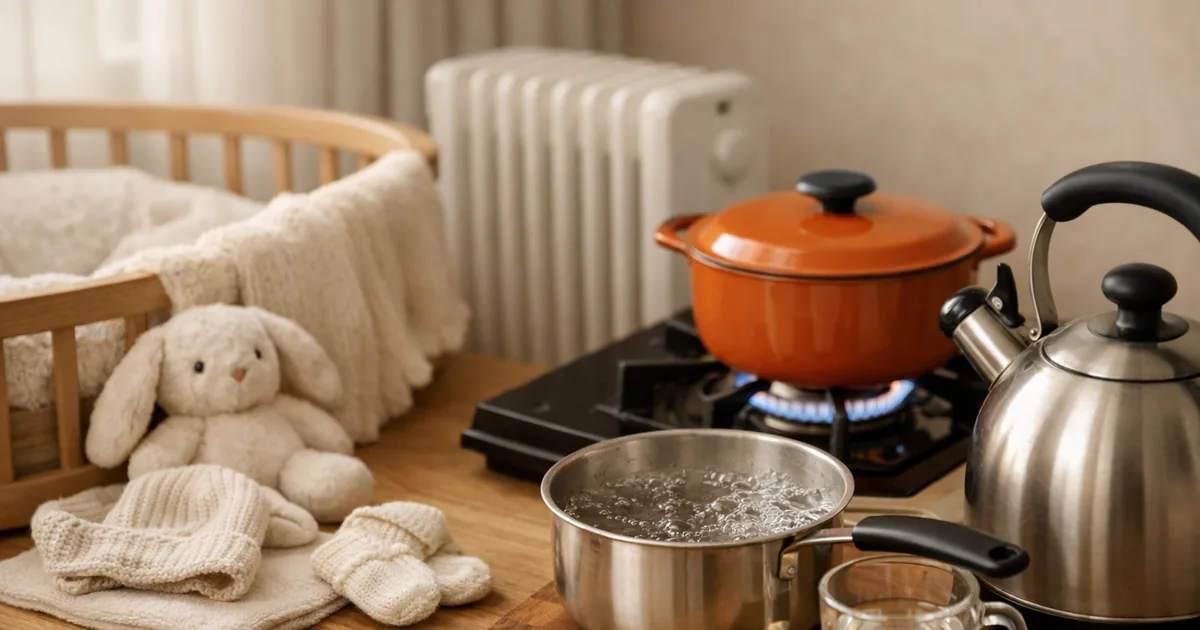
Staying Warm Indoors in a Winter Storm — CDC: No Baby Under 1 in a Cold Room, Never Heat With the Stove, Boil Water 1 Minute
The CDC says turning on the stove for heat is not safe and infants under 1 should never sleep in a cold room. Keep space heaters 3 feet from drapes and bedding, generators 20 feet from windows and doors, and boil water for 1 minute to kill most germs.
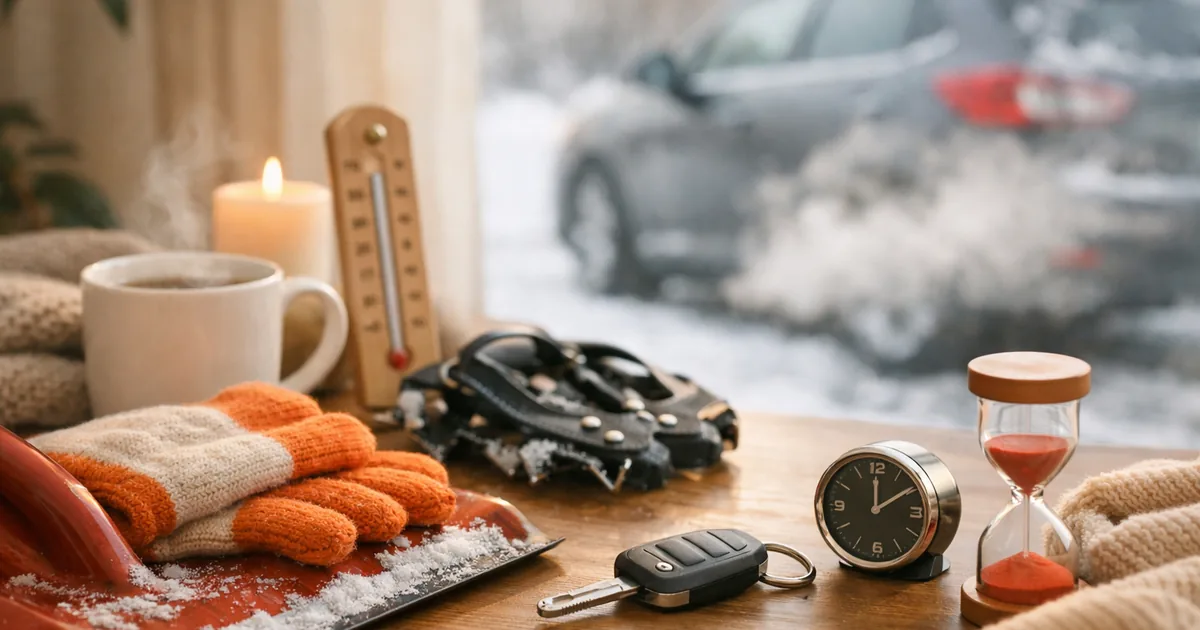
Snow Shoveling and Ice Safety — CDC: Cold Strains the Heart, Work Slowly, Stranded Cars Run About 10 Minutes an Hour
The CDC says cold weather puts extra strain on the heart, so follow your doctor's advice on shovelling snow and work slowly. Stay off the ice, and if stranded run the motor and heater about 10 minutes per hour with a window slightly open and the exhaust clear.
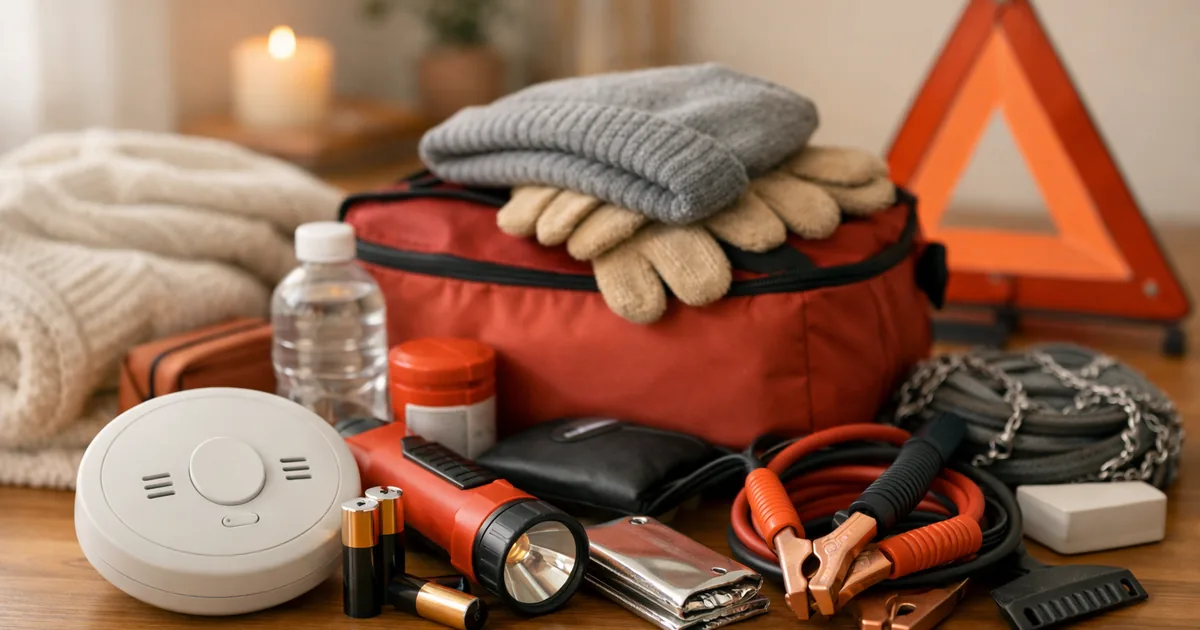
Winter Storm Preparation — CDC: Test CO Detectors Monthly, Batteries Twice a Year, a 17-Item Car Emergency Kit
The CDC says to insulate outside-wall water lines before a winter storm and, if you use a fireplace or heater, test smoke and battery CO detectors monthly and replace batteries twice a year. Keep tires typically at 30-35 psi and a 17-item kit in the car.
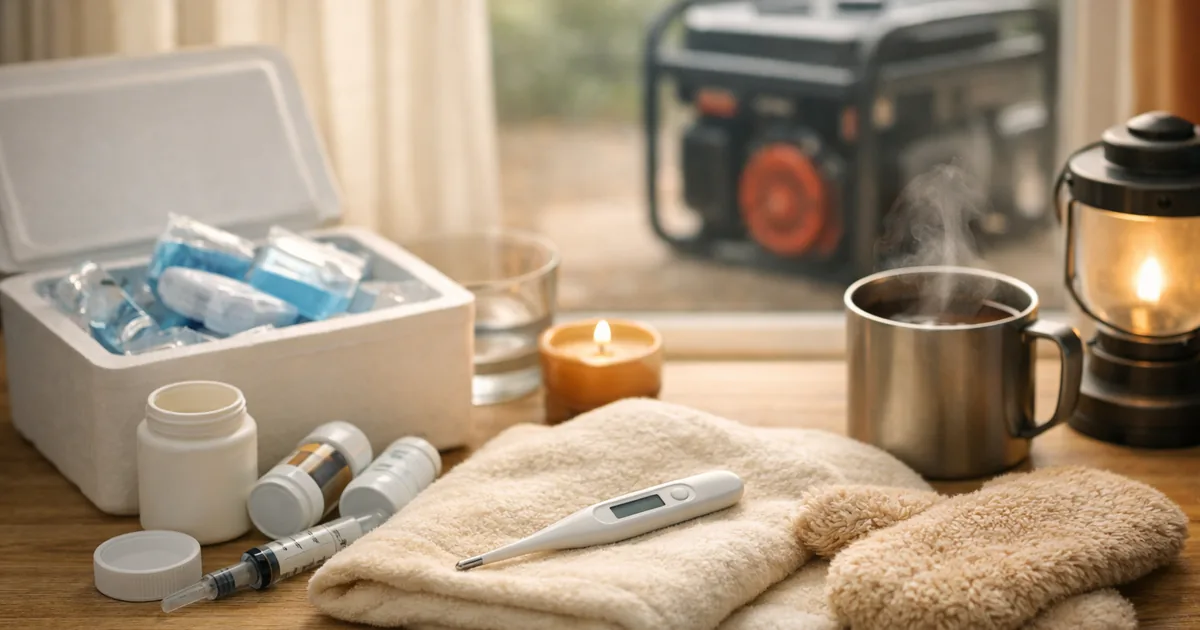
Power Outage Safety — CDC: Refrigerated Medicine After 1 Day, Generators 20 Feet from Windows, Hypothermia Below 95°F
The CDC says never run generators or gasoline engines indoors, in garages or within 20 feet of windows, doors or vents; throw out refrigerated medicine after 1 day without power unless the label says otherwise; and get help at once if a suspected hypothermia temperature is below 95°F (35°C).
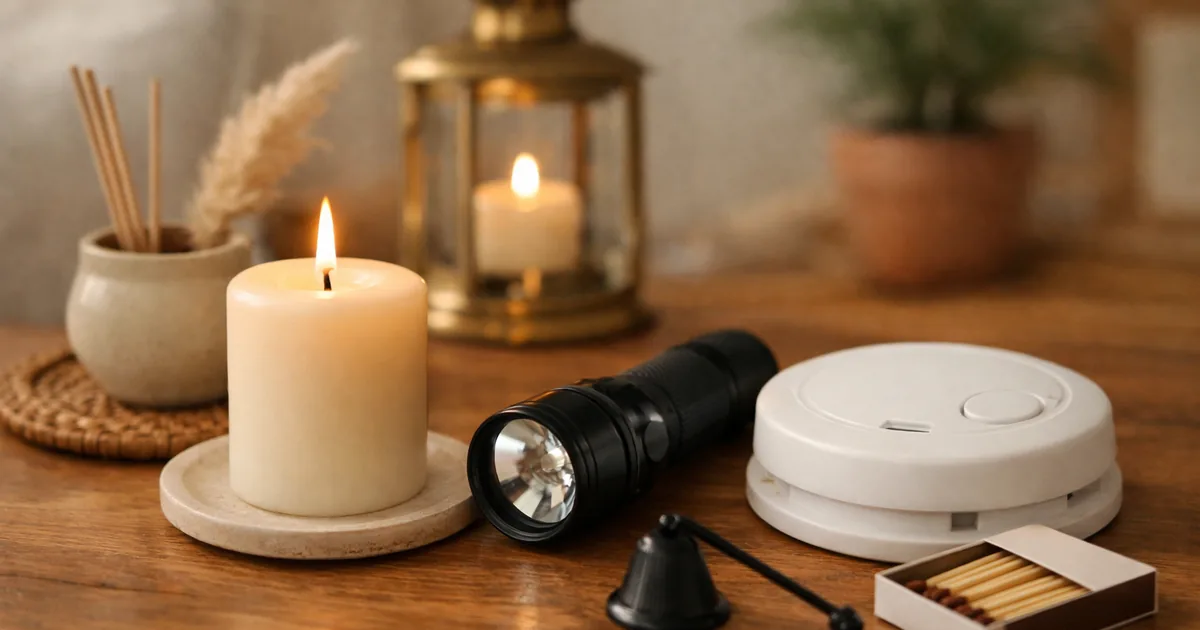
Candle Fire Safety — USFA: 12 Inches from Anything That Burns, No Candles in Bedrooms, Flashlights in a Power Outage
The US Fire Administration cites NFPA data of an average of 20 home candle fires a day in the US. Keep lit candles at least 12 inches (about 30 cm) from anything that can burn, none in bedrooms, bathrooms or sleeping areas, and use flashlights instead of candles in a power outage.
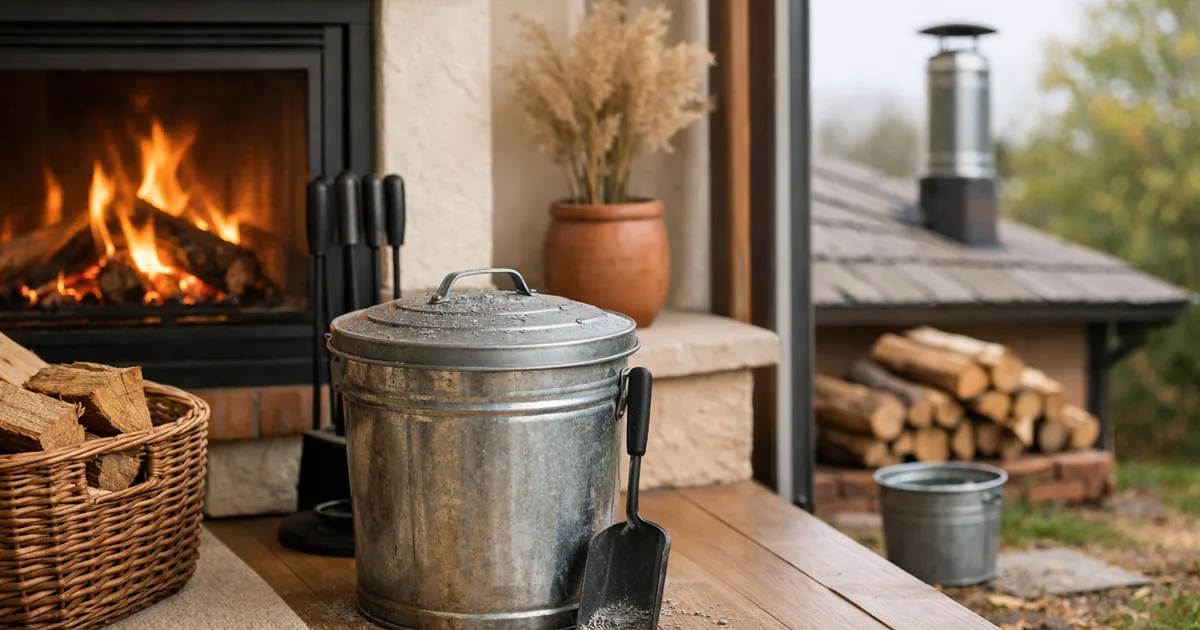
Fireplace and Wood Stove Safety — USFA: 3 Feet Clear, Ashes in a Lidded Metal Can 10 Feet Out, Chimney Checked Every Year
The US Fire Administration says heating was the second leading cause of home fires in 2021 (about 32,200). Keep anything that can burn at least 3 feet from a fireplace or wood stove, have the chimney inspected every year, and put ashes in a lidded metal container at least 10 feet from the home.
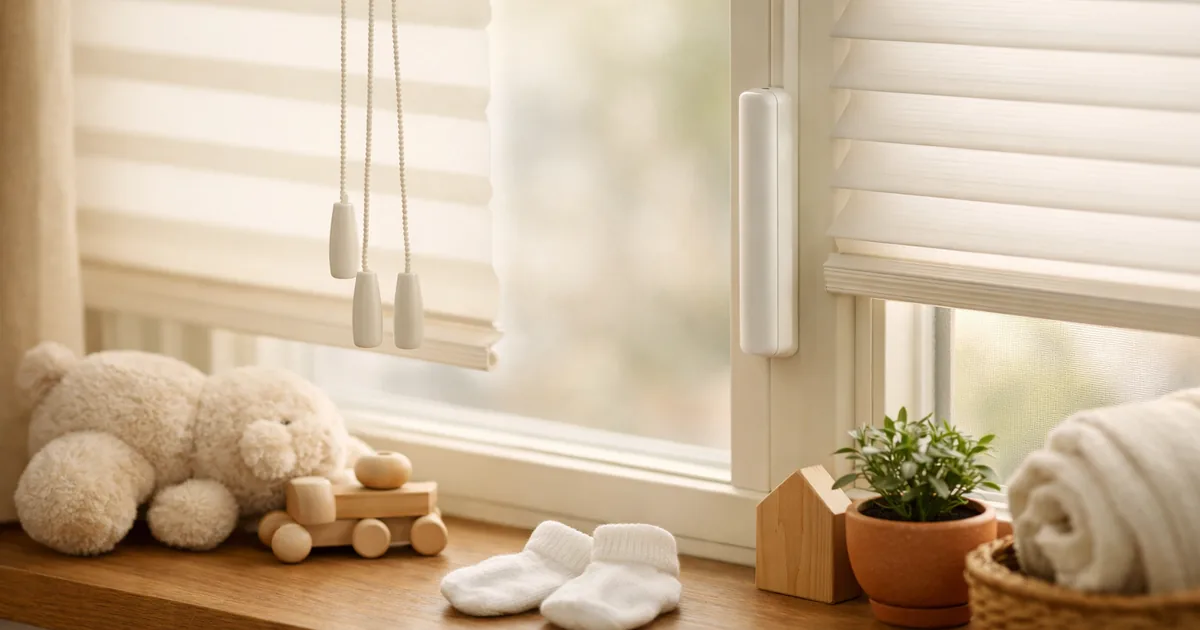
Window Cord Safety — About 9 Deaths a Year Under 5, 48% of Incidents Fatal, Go Cordless (CPSC)
US CPSC says about 9 children under 5 die each year strangled in window covering cords, and 48% of more than 200 incidents in 2009–2021 were fatal. Use cordless coverings where children are; if you can't, shorten, raise and anchor cords.
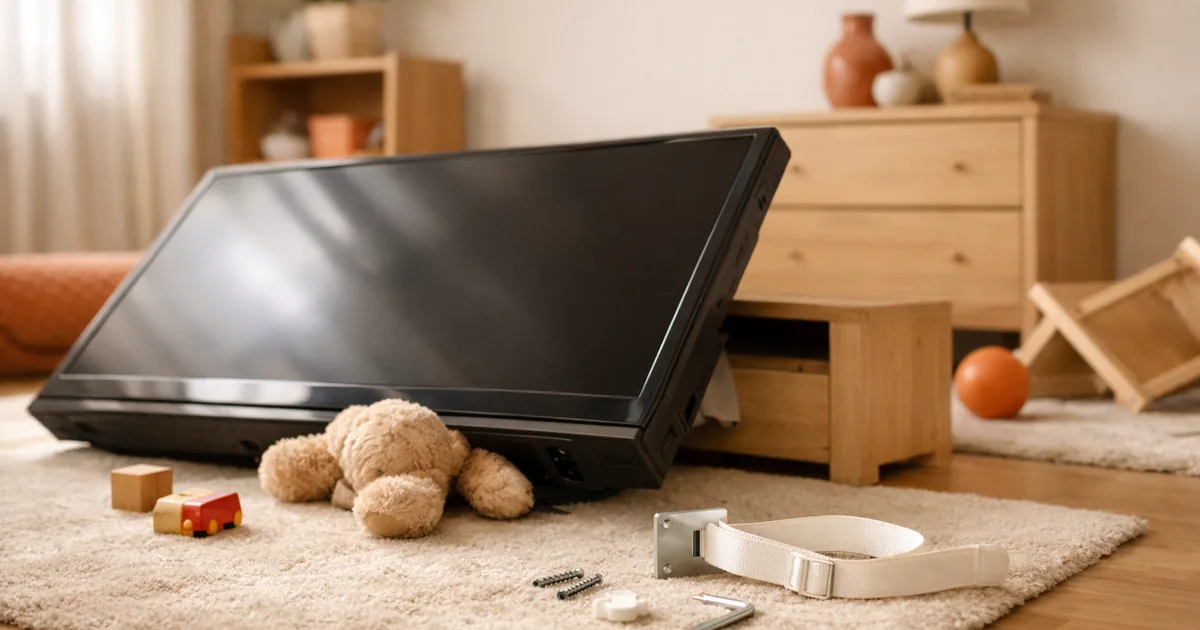
TV and Furniture Tip-Overs — 592 Deaths, TVs in 70% of Child Deaths, Anchor Them First (CPSC)
US CPSC reports 592 deaths from furniture, TV and appliance tip-overs in 2000–2021, 81% children, with a TV involved in 70% of child deaths. About 19,400 ER injuries a year; the first tip is anchoring TVs and furniture to the wall.
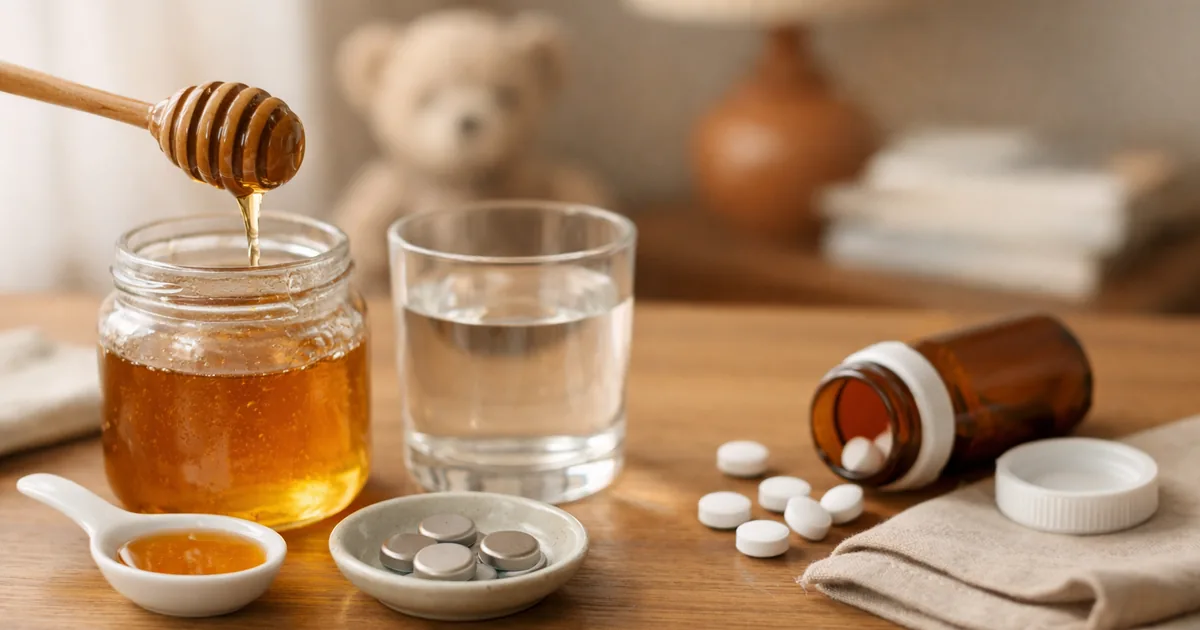
If a Child Swallows a Button Battery — Damage Within 2 Hours, Straight to the ER, 10 mL Honey Every 10 Minutes (CPSC)
A swallowed button battery can burn through a child's oesophagus in as little as two hours, so go straight to the ER. For children 12 months or older within 12 hours, give 10 mL of honey every 10 minutes on the way, up to six doses. The US recorded 27 deaths in 2011–2021.
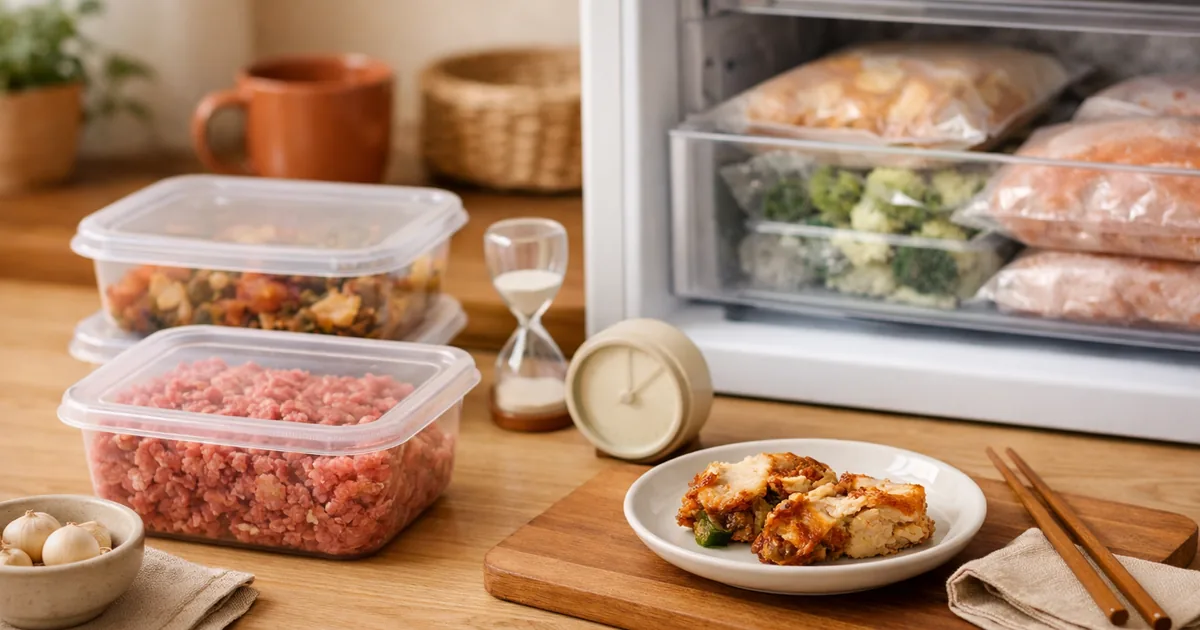
Fridge and Freezer Storage Times — Ground Meat 1–2 Days, Leftovers 3–4 Days, Freezer Times Are for Quality (FoodSafety.gov)
The FoodSafety.gov chart lists ground meat 1–2 days, steaks 3–5 days, leftovers 3–4 days and raw eggs 3–5 weeks in the fridge. Fridge times are safety, freezer times quality; food at -18°C stays safe. With a lookup tool.

Four Steps to Food Safety — Hands 20 Seconds, Separate Boards, 4–60°C Danger Zone, Fridge Within 2 Hours (FoodSafety.gov)
FoodSafety.gov sets food poisoning prevention out as Clean, Separate, Cook, Chill: hands at least 20 seconds, don't wash raw meat, a 4–60°C danger zone, perishables in the fridge within 2 hours (1 if hot), fridge 4°C or below.
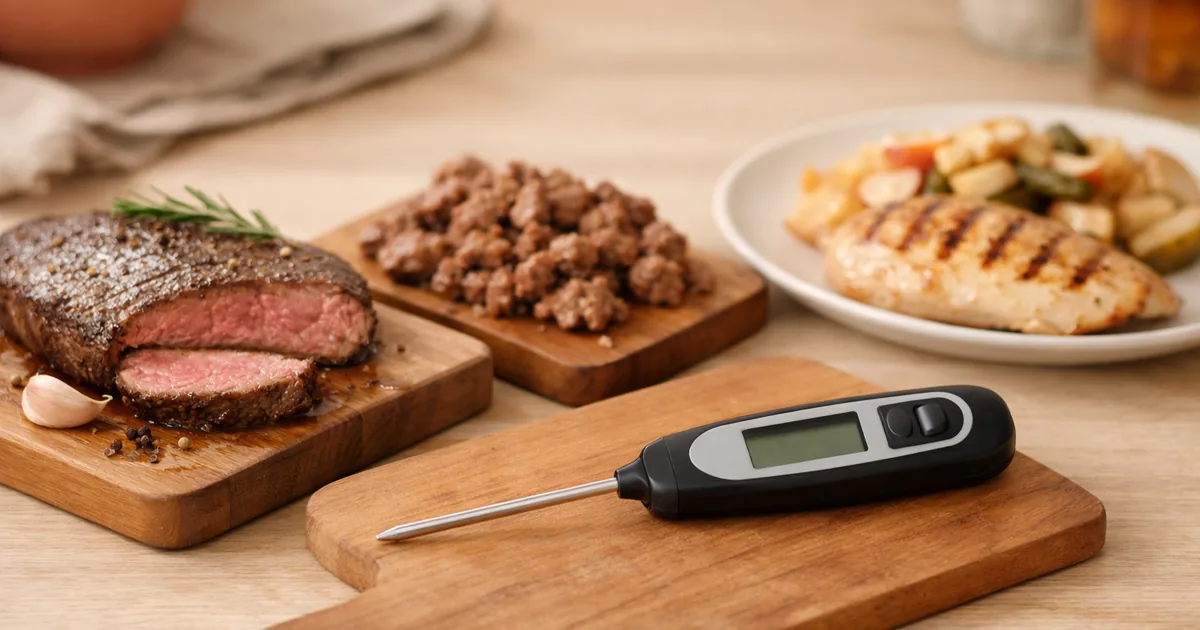
Safe Cooking Temperatures — Steaks and Fish 63°C, Ground Meat 71°C, Poultry and Leftovers 74°C (FoodSafety.gov)
FoodSafety.gov says use a thermometer, not colour: beef and pork steaks and fish 63°C (rest 3 minutes), ground meat and egg dishes 71°C, all poultry and leftovers 74°C. With a checker for your reading.
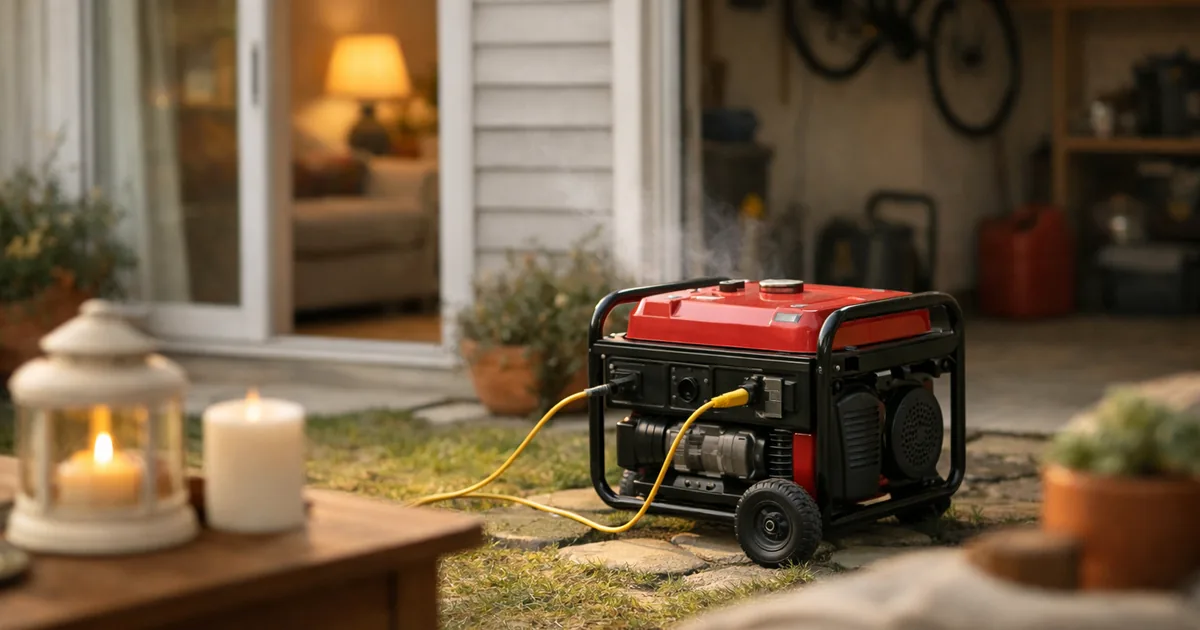
Generator Safety in a Power Cut — 20 Feet from the House, Never in a Garage, About 100 Deaths a Year (CPSC)
The CPSC says about 100 people a year in the US die from portable generator carbon monoxide. Run generators outdoors at least 20 feet from the house, never indoors or in a garage even with doors open. Alarm, heater, charcoal and gas tips too.
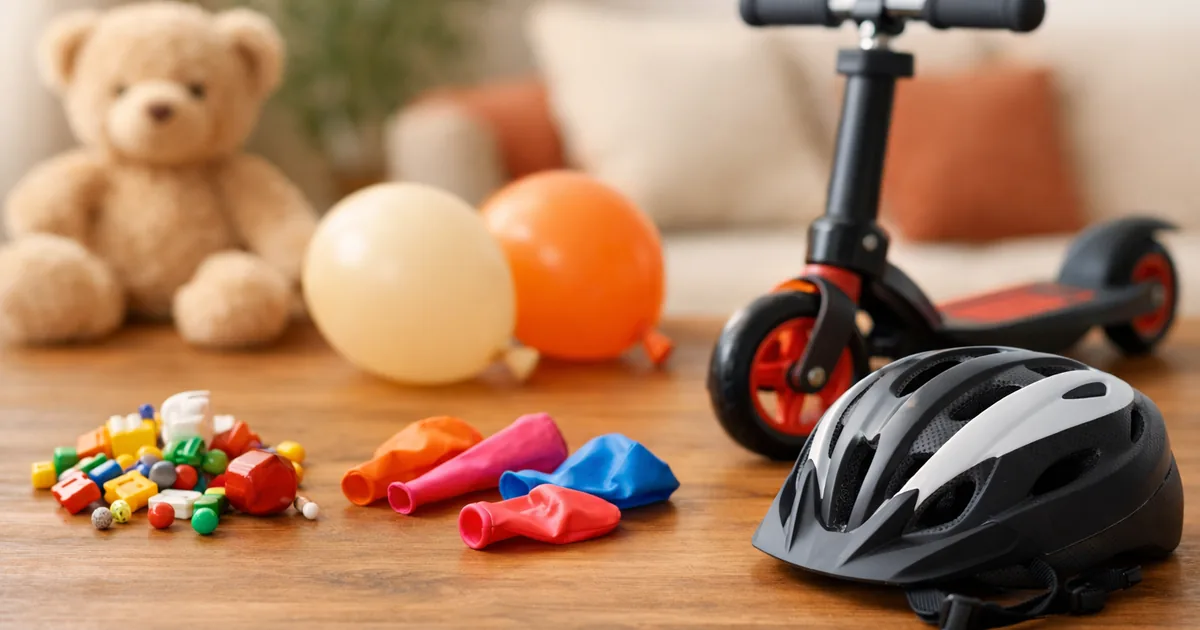
Toy Gift Safety — No Small Parts Under 3, No Balloons Under 8, Helmets with Scooters (CPSC: 154,700 in 2023)
Per the CPSC, about 154,700 US children aged 12 or younger were treated in ERs for toy injuries in 2023 and 10 died. Keep small balls and parts from under-3s and deflated balloons from under-8s, and use a helmet with scooters every time.
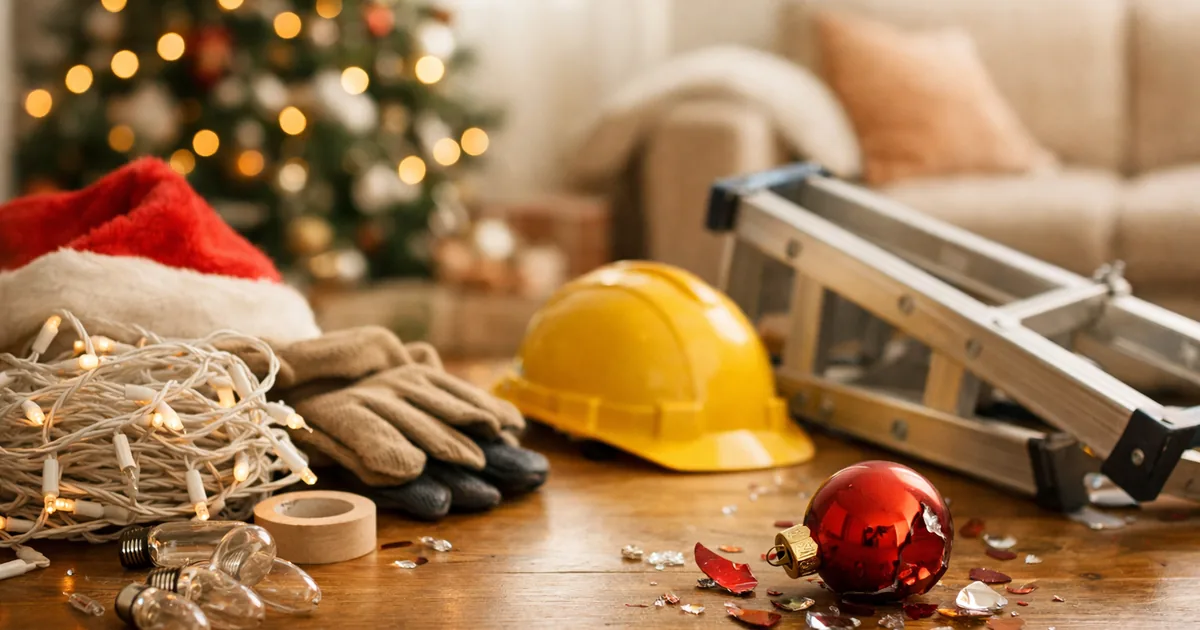
Holiday Decorating Safety — About 160 Injuries a Day, Nearly Half Falls, Three Sets of Incandescent Lights Max (CPSC)
The CPSC says there are about 160 Christmas decorating injuries a day in the season, nearly half falls, and about 14,900 ER visits in the 2023 season. Never string more than three sets of incandescent lights; keep candles in sight.
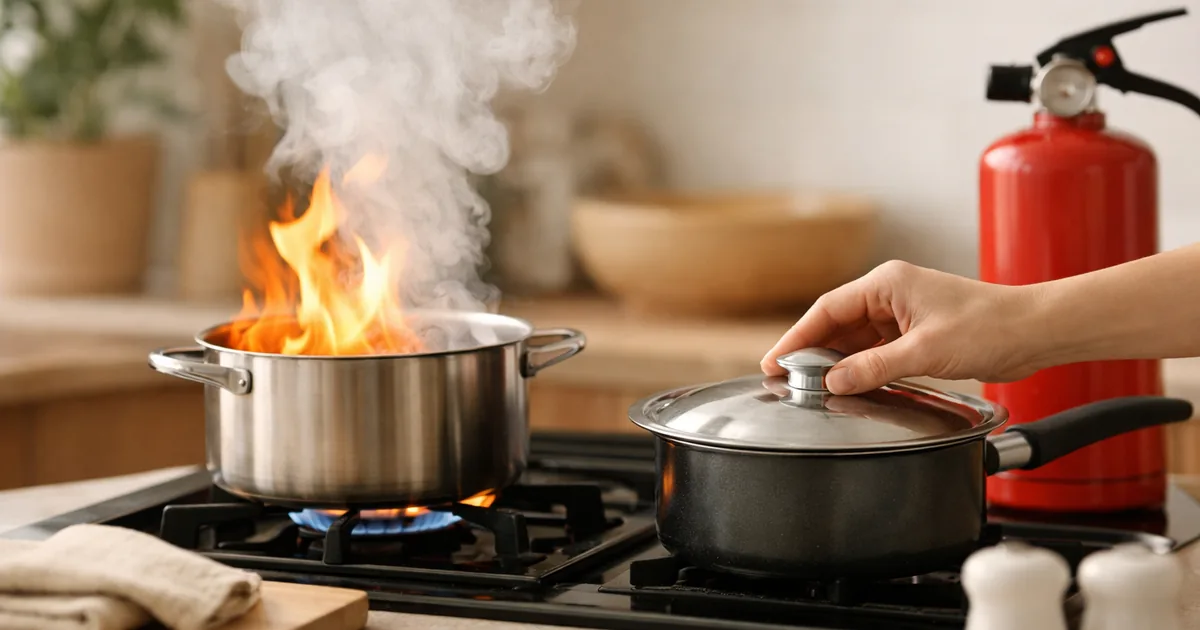
Cooking Fire Safety — Stay by the Pan, Turn Off at Smoke, Smother Small Fires with a Lid (US Fire Administration)
The US Fire Administration says cooking is the leading cause of home fires, and unattended equipment is the top factor (37%) in cooking fires that spread. Stay by the pan, turn it off at the first smoke, and slide a lid over a small pan fire.
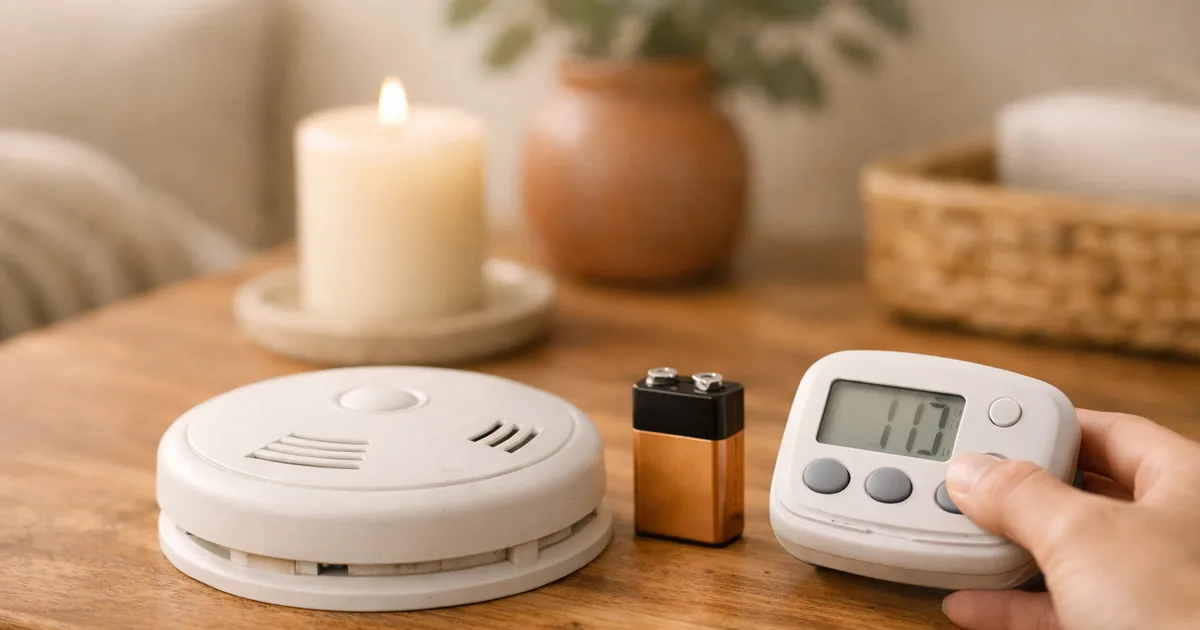
Smoke Alarms — Test Monthly, Batteries Yearly, Replace After 10 Years (US Fire Administration)
The US Fire Administration says to test smoke alarms monthly, change 9-volt batteries at least once a year, and replace alarms 10 years from manufacture. Don't remove the battery when cooking sets it off.
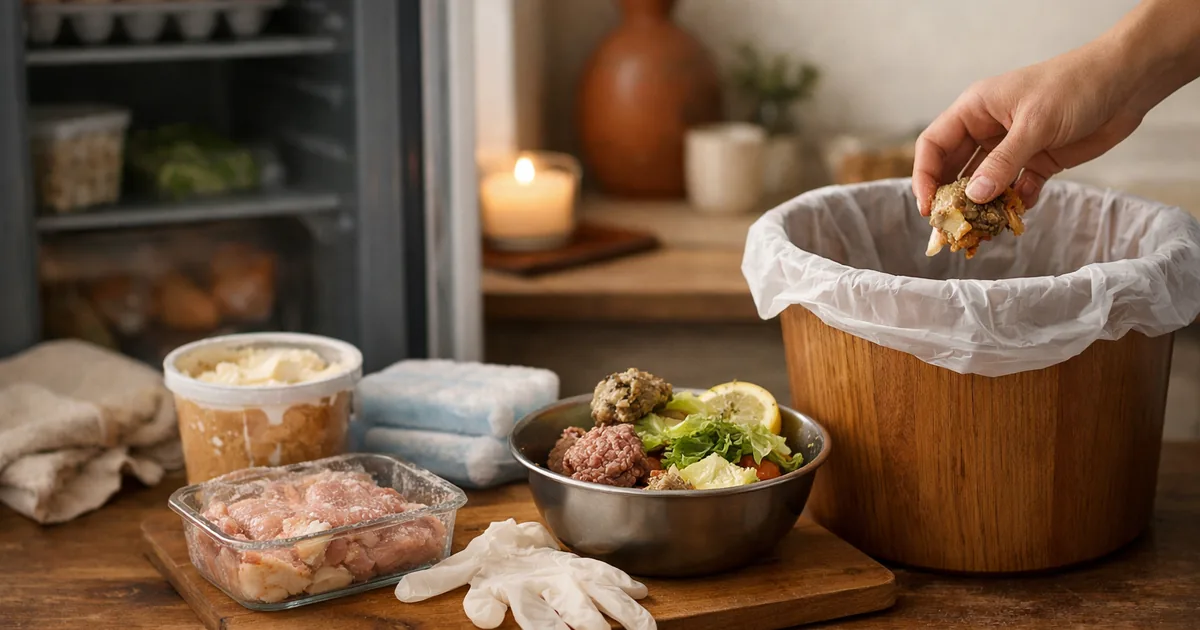
Food Safety in a Power Cut — Fridge 4 Hours, Full Freezer 48 Hours, Don't Taste-Test (CDC)
The CDC says that with doors closed, food stays safe for about 4 hours in a fridge, 48 hours in a full freezer and 24 hours in a half-full one. Throw out meat, eggs, milk and leftovers after 4 hours without cold, and never taste food to check.
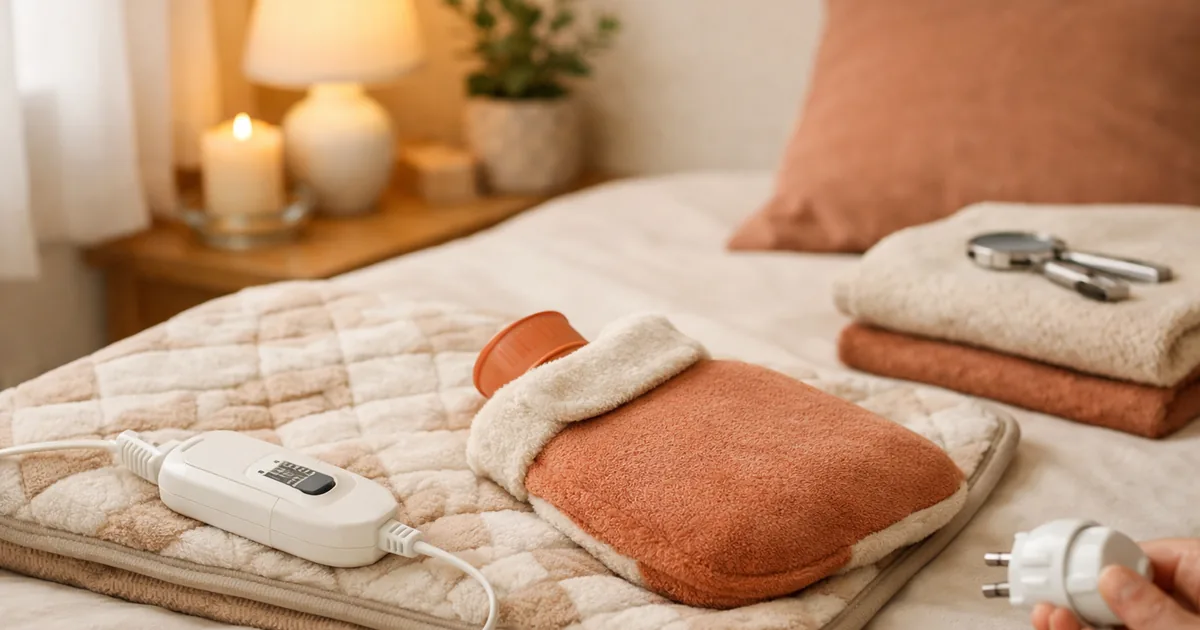
Electric Blanket Safety — UK Fire Service: No Hot Water Bottle, a Check Every Three Years
Essex County Fire and Rescue Service says check an electric blanket for scorch marks, visible wires, fraying or a buzzing control before use, and don’t use it with a hot water bottle or when wet or folded. Have it checked every three years and never buy second-hand.
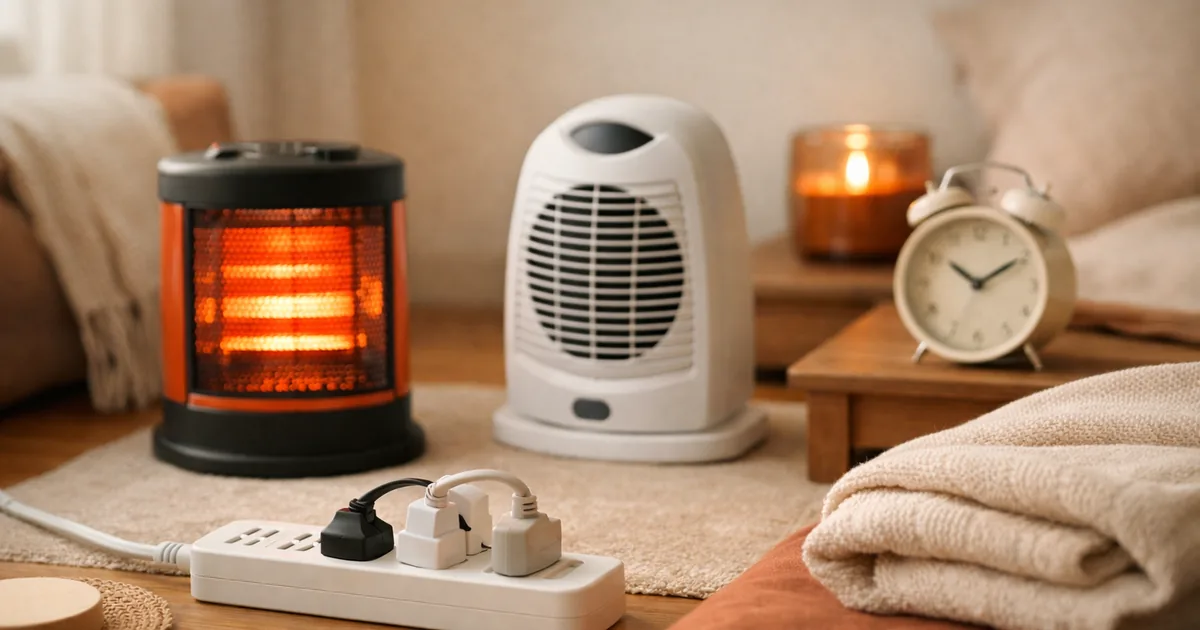
Space Heater Safety — USFA: 3 Feet Away, No Power Strips, Off at Bedtime
The US Fire Administration says keep bedding, clothes and curtains at least 3 feet from a space heater, turn it off when you go to bed or leave the room, and plug it straight into the wall — never an extension cord or power strip.
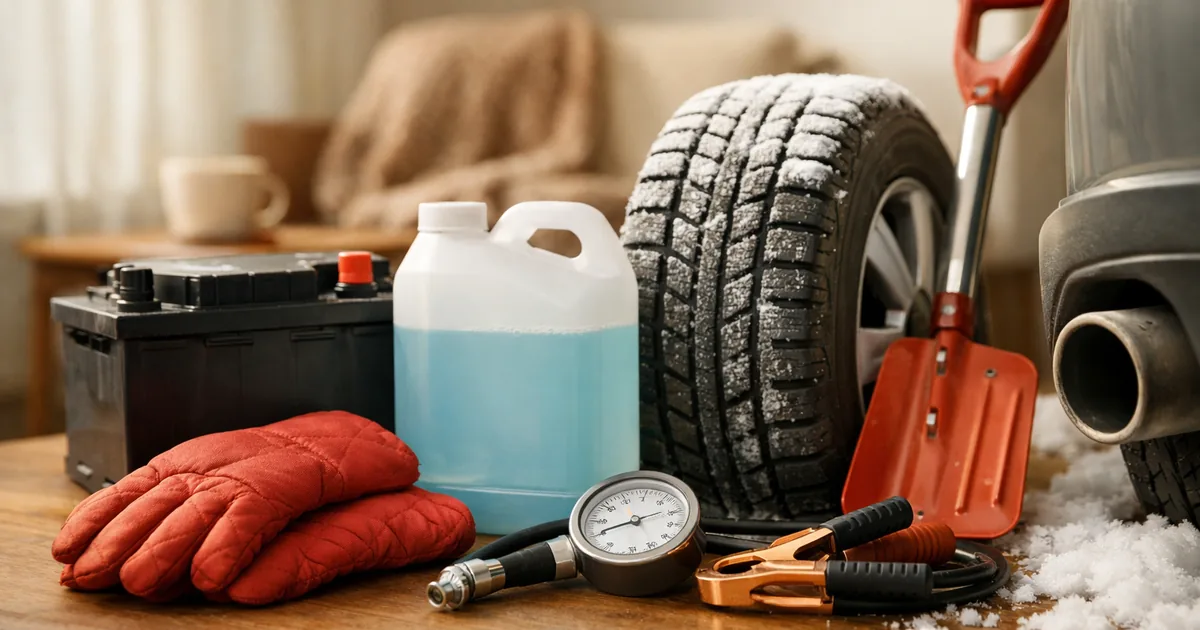
Winter Car Prep — NHTSA: Battery, Coolant, Tyre Pressure; Keep the Exhaust Clear If Stranded
NHTSA says before winter check the battery, charging system and belts, coolant, winter washer fluid and lights, and remember tyre pressure drops in the cold, so use the maker’s recommended figure. If stranded, stay with the car, clear the exhaust of snow and run the engine only sporadically.
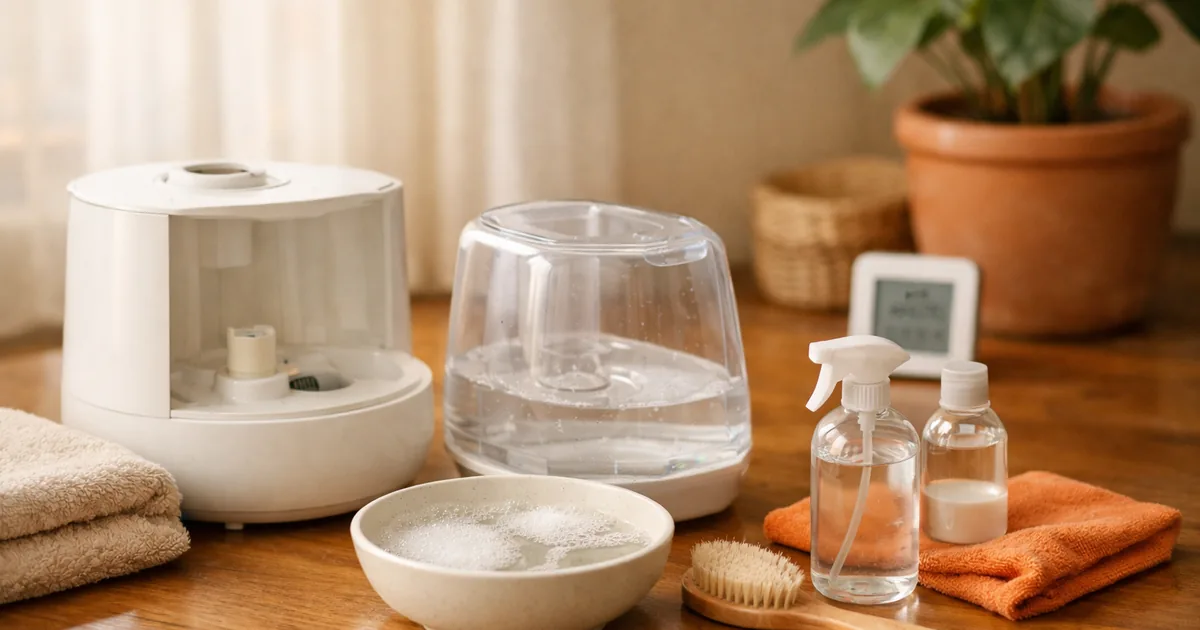
Humidifier Care — EPA: Empty and Dry Daily, Clean Every Third Day, Humidity Up to 50%
The US EPA says empty, wipe dry and refill portable humidifiers daily and clean them every third day. It recommends bottled water labelled “distilled”, says don’t humidify above 50%, and to turn it down if the area around it gets damp.
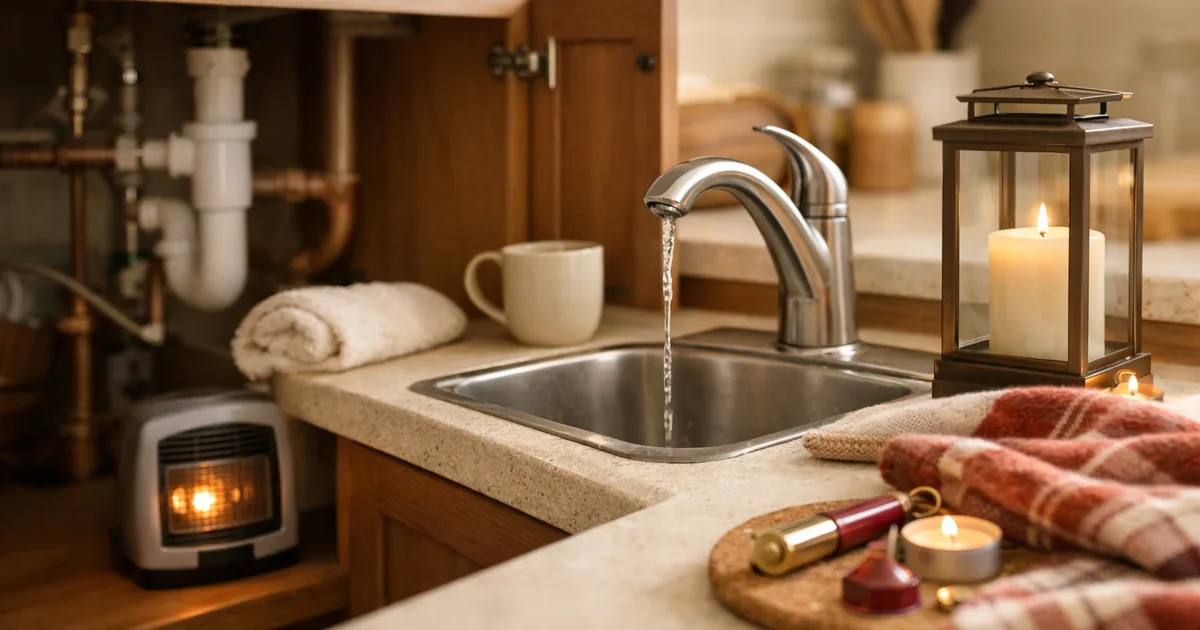
Frozen Pipes — American Red Cross: Drip the Cold Tap, Open Sink Cabinets, No Open Flames
The American Red Cross says water expands as it freezes and can break pipes. In very cold weather let cold water drip, open sink cabinets and keep the same heat day and night; thaw a frozen pipe with a hair dryer or hot wet towels, never a blowtorch or open flame.
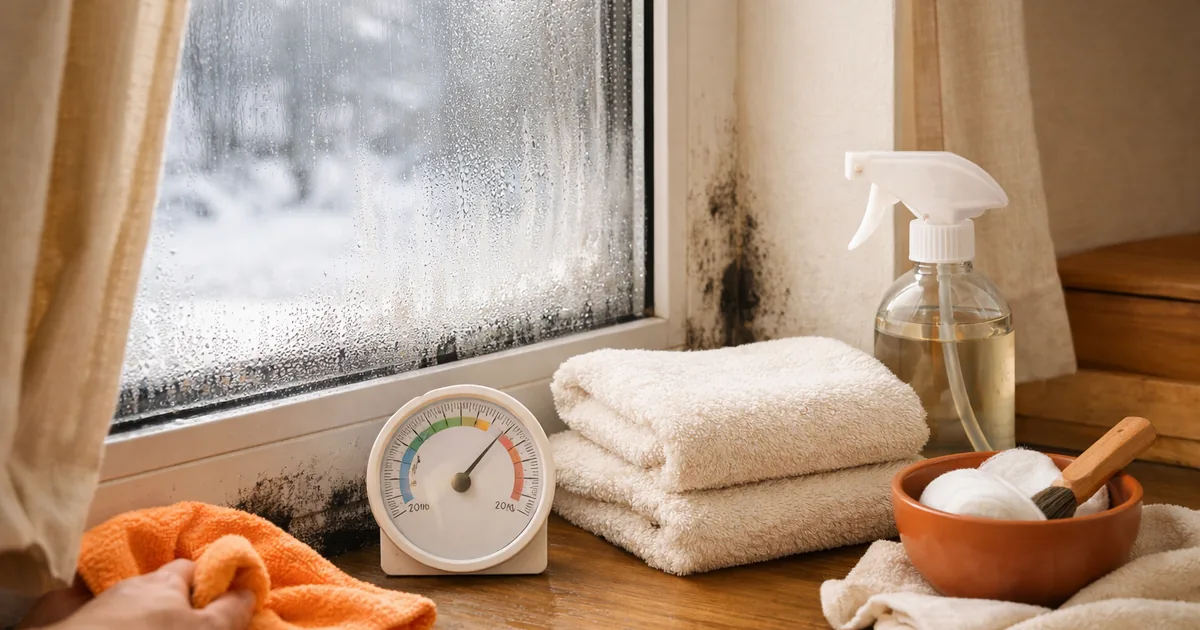
Winter Condensation and Mould — EPA: Humidity 30 to 50%, Dry Condensation Straight Away
The US EPA says keep indoor humidity below 60% if possible, ideally 30 to 50%, and dry condensation on windows or walls quickly while reducing the source. Clean mould under about 10 square feet yourself with detergent and water, and never mix bleach with ammonia cleaners.
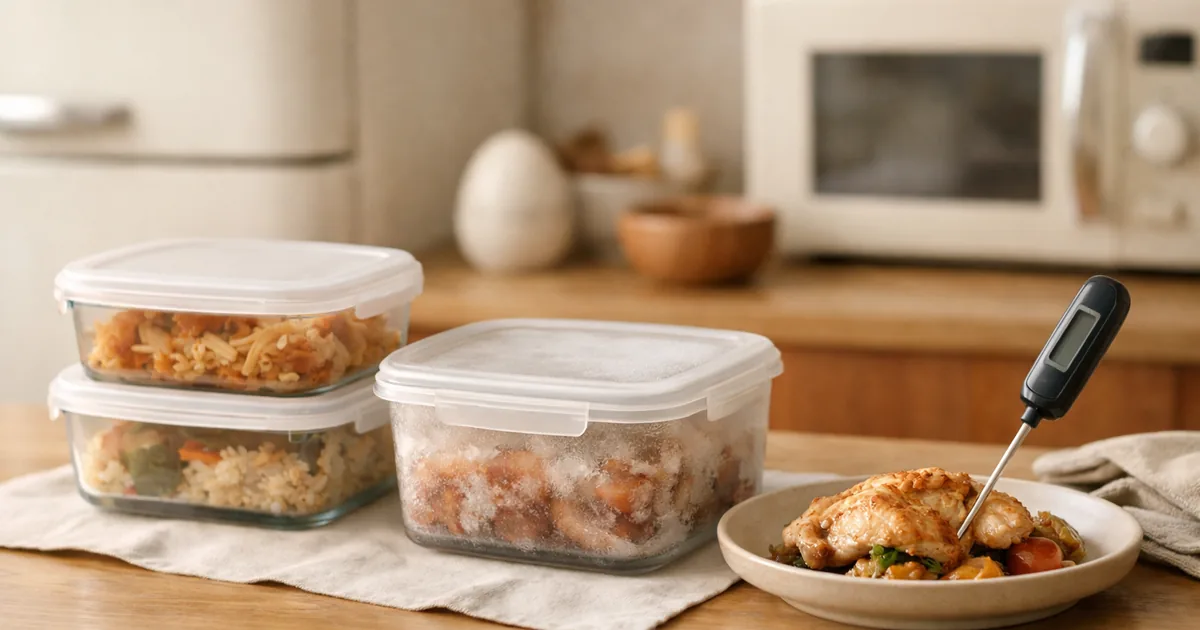
How Long Leftovers Keep — USDA: Fridge Within 2 Hours, 3 to 4 Days Chilled, 3 to 4 Months Frozen, Reheat to 165°F
The USDA Food Safety and Inspection Service says to refrigerate leftovers within 2 hours of cooking (1 hour above 90°F) and eat them within 3 to 4 days. Frozen leftovers keep 3 to 4 months, reheating should reach 165°F (about 74°C), and hot food can go straight into the fridge.
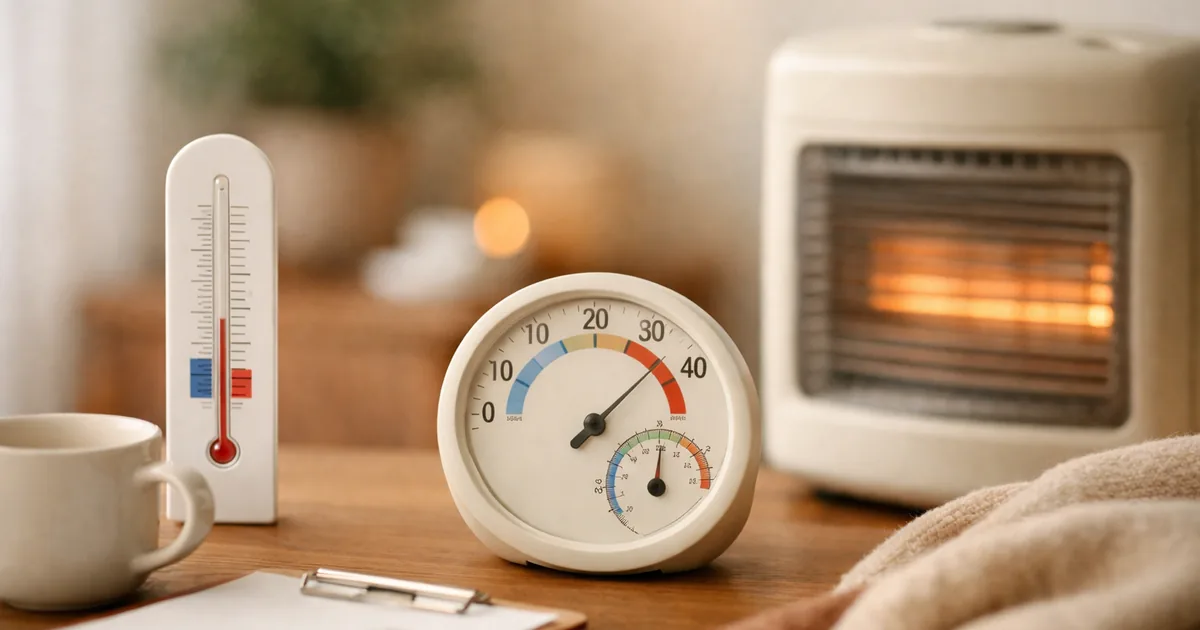
Winter Indoor Temperature of 18°C — the WHO's Floor for Health and Korean Public Buildings' Heating Cap
The WHO Housing and health guidelines propose 18°C as a safe and well-balanced indoor temperature in the cold season, adding that older people, children and people with chronic illness may need it warmer. Korea's public-institution energy rule caps heating at an average 18°C or below and cooling at 28°C or above, with exceptions such as hospitals, childcare and elderly care facilities.
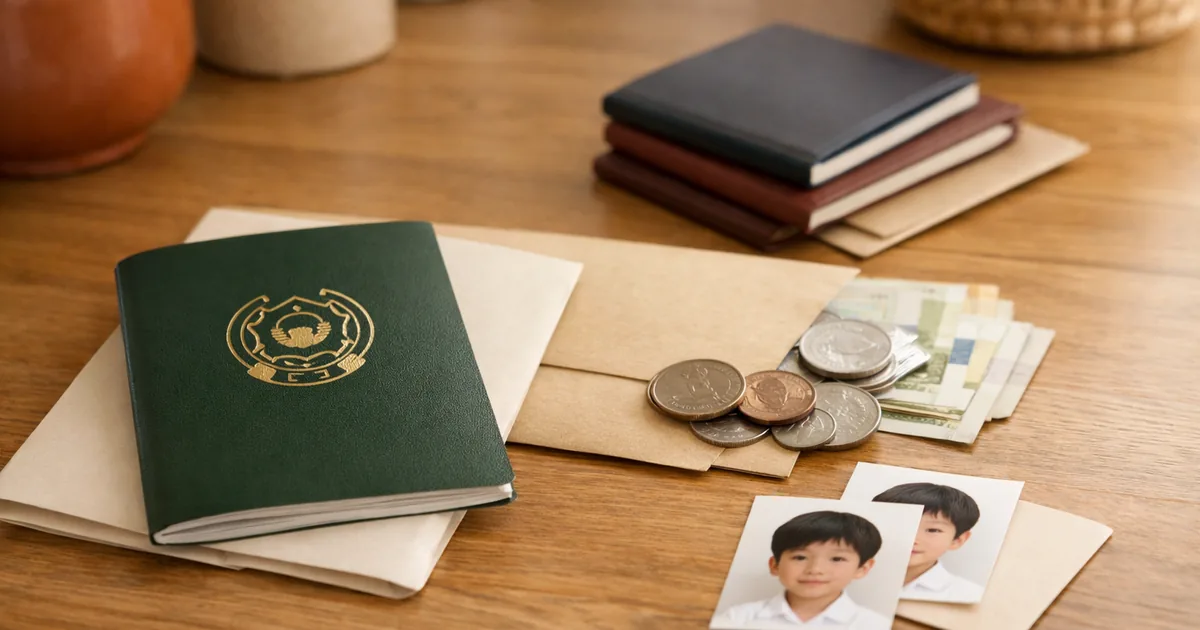
Korean Passport Costs — 40,000 Won for 10 Years and 58 Pages Plus a 12,000 Won Contribution, 5 Years Under 18, 2 Years After Repeated Loss
The fee annex to the Passport Act Decree sets a 10-year multiple-entry passport at 40,000 won for 58 pages and 37,000 won for 26, and adults aged 18 or over also pay a 12,000 won international exchange contribution. Under 18 the passport runs 5 years at 35,000 or 32,000 won, with a 9,000 won contribution from age 8. Three or more losses within 5 years cut validity to 2 years.

Move-In Reports in Korea — 14 Days, Then 5,000 to 50,000 Won, and 3 Years or 30 Million Won for False Reports
Article 16 of Korea's Resident Registration Act requires a move-in report within 14 days of moving. Late reports are fined under Decree Annex 4: 5,000 won within 7 days, 20,000 within 1 month, 30,000 within 3 months, 40,000 within 6 months and 50,000 after, while false reports carry up to 3 years in prison or a 30 million won fine.
Birth and Death Reports in Korea — 1 Month, Then 10,000 to 50,000 Won, Doubled After a Reminder
Korea's Act on the Registration of Family Relationships requires a birth report within 1 month of the birth and a death report within 1 month of learning of the death. Late reports are fined 10,000 won for under 7 days up to 50,000 won for 6 months or more under Supreme Court Rule Annex 3, and 20,000 to 100,000 won after a reminder.
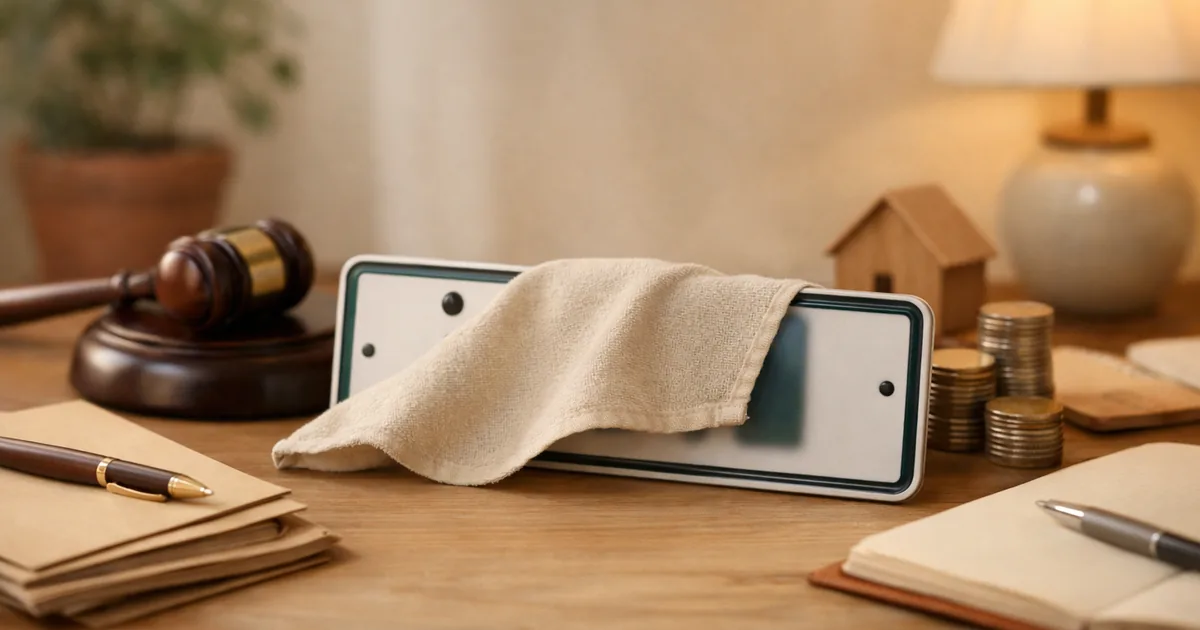
Covered Licence Plates in Korea — From 500,000 Won a Fine, or 1 Year and 10 Million Won If Deliberate
Article 10(5) of Korea's Motor Vehicle Management Act bars anyone from covering a registration plate, making it hard to read or driving such a vehicle. Deliberate cases carry up to 1 year in prison or a 10 million won fine; otherwise Decree Annex 2 fines 500,000 won the first time, 1,500,000 the second and 2,500,000 from the third.
Speeding Fines in Korea — 30,000 to 120,000 Won for a Car, 10,000 More by Camera
Annexes 8 and 6 of Korea's road traffic decree split excess speed into 20 km/h or less, 20-40, 40-60 and over 60. A car pays penalty charges of 30,000, 60,000, 90,000 and 120,000 won, or camera fines of 40,000, 70,000, 100,000 and 130,000 won, with points from 15, 30 and 60. More than 100 km/h over means a fine of up to 1 million won or detention.
Illegal Parking in Korea — 40,000 Won for a Car, 50,000 After 2 Hours, and Eight No-Stopping Places
Korea's Road Traffic Act calls a halt of up to 5 minutes stopping, and keeping a car stationary or leaving it parking. The eight places in article 32 — 5 m from junction corners, 10 m from crossings and bus stops, 5 m from hydrants and more — ban even stopping, and the fine for a car is 40,000 won (50,000 won after 2 hours).
Expressway Shoulder and Bus Lane in Korea — a 60,000 Won Penalty or 90,000 Won Fine and 30 Points for a Car
Article 60 of Korea's Road Traffic Act bans driving on the expressway shoulder except for breakdowns and similar, and article 61 bans unauthorised vehicles from expressway dedicated lanes. A car pays a 60,000 won penalty charge or a 90,000 won fine plus 30 points; the bus lane is for 9 or more seats, with 6 or more aboard if 12 seats or fewer.
Phones While Driving in Korea — a 60,000 Won Penalty and 15 Points, or a 70,000 Won Fine If Proved on Video
Article 49(1)10, 11 and 11-2 of Korea's Road Traffic Act ban using a mobile phone while driving, showing video where the driver can see it, and operating a display. Penalty charges are 60,000 won for cars, 70,000 for vans, 40,000 for motorcycles and 30,000 for bicycles, with 15 points; the fine on the employer or keeper when proved on video is 70,000 won for a car.
Seatbelt Fines in Korea — 30,000 Won for the Driver, 60,000 Won on the Driver for a Child Under 13
Article 50(1) of Korea's Road Traffic Act makes drivers belt up and make passengers in every seat belt up too. A driver without a belt pays a 30,000 won penalty charge; an unbelted passenger means a fine for the driver of 60,000 won if under 13 and 30,000 won if 13 or older, and motorcycle helmets carry 20,000 won each.
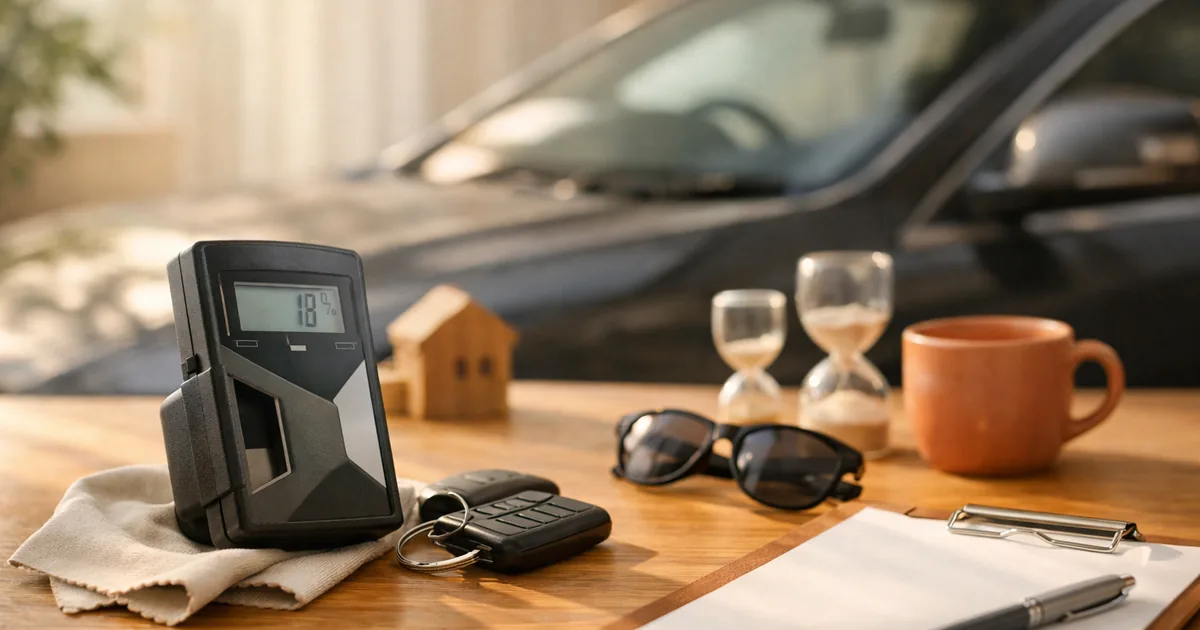
Car Window Tint in Korea — 70% for the Windscreen, 40% Beside the Driver, a 20,000 Won Fine If Darker
Article 28 of Korea's road traffic decree sets visible light transmittance standards of 70 percent for the windscreen and 40 percent for the side windows beside the driver's seat. Driving a car darker than that means a 20,000 won fine, and police can order the film removed or remove it themselves.
Lapsed Compulsory Car Insurance in Korea — 6,000 Won a Day Even Parked, a 400,000 Won Penalty If Driven
Annex 5 of Korea's automobile accident compensation decree fines a private car without liability cover 10,000 won up to 10 days, then 4,000 won a day (capped at 600,000 won), and without property cover 5,000 won plus 2,000 won a day (capped at 300,000 won). Driving uninsured carries up to 1 year in prison or a 10 million won fine, or a 400,000 won penalty charge for a car if there was no accident.
Fire-Engine Bays and Hydrants in Korea — 500,000 Won for the Bay, 80,000 Won at a Red Kerb
Annex 3 of Korea's fire-fighting services decree fines parking in or blocking an apartment fire-engine bay 500,000 won the first time and 1,000,000 won after, and obstructing a fire engine on a call 1,000,000, 1,500,000 and 2,000,000 won. Stopping within 5 metres of a hydrant falls under the Road Traffic Act: 80,000 won for a car where a safety sign is installed.
Used-Car Ownership Transfer in Korea — 15 Days for a Sale, Then 10,000 Won a Day up to 500,000 Won
Article 26 of Korea's Motor Vehicle Registration Decree sets transfer deadlines of 15 days for a sale, 20 days for a gift and 6 months for an inheritance. Late filing brings a penalty charge under Annex 3 of the motor vehicle management decree: 100,000 won up to 10 days, 10,000 won a day from day 11 and 500,000 won from 50 days. Reselling without transferring carries up to 3 years in prison or a 30 million won fine.
Late Car Inspection in Korea — 40,000 Won, Then 20,000 More Every 3 Days, 600,000 Won by Day 114
Annex 2 of Korea's motor vehicle management decree fines a late periodic inspection 40,000 won up to 30 days, adds 20,000 won for every 3 days from day 31, and sets 600,000 won from 115 days. Since 2025 the window runs from 90 days before to 31 days after expiry, and new passenger cars are first inspected after 5 years.
No-Smoking Fines in Korea — 100,000 Won Indoors, 50,000 in Apartment Corridors, Waived If You Use a Stop-Smoking Service
Annex 5 of Korea's health promotion decree fines smoking in public-use facilities 100,000 won, in apartment areas designated at residents' request 50,000 won, and within 30 metres of schools 100,000 won. An education course can halve the fine, and a stop-smoking service can waive it entirely.
Littering Fines in Korea — 50,000 Won for a Butt, 200,000 for a Bag, 500,000 If You Bring It by Car
Annex 8 of Korea's wastes control decree grades dumping by method. Things you were carrying, such as cigarette butts and tissues, cost 50,000 won; bagged or outing rubbish 200,000 won; dumping by vehicle or handcart 500,000 won; and household-type waste from business 1,000,000 won.
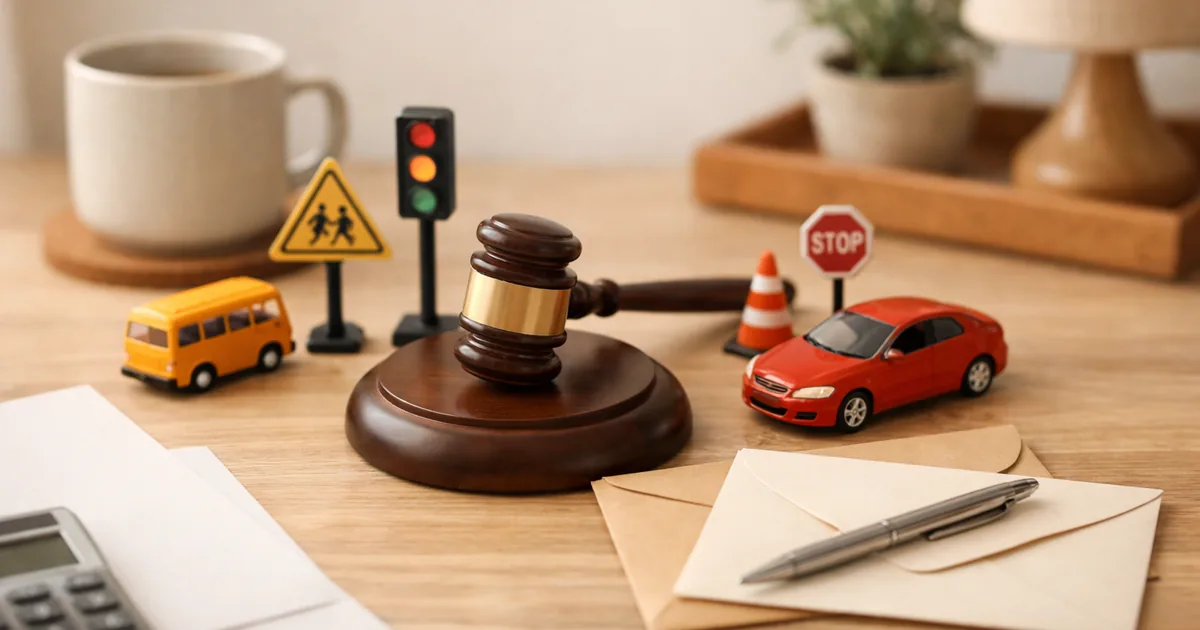
School-Zone Fines in Korea — From 8 a.m. to 8 p.m. Parking Costs Three Times as Much, and a Red Light 130,000 Won
Korea's Road Traffic Act decree applies Annexes 7 and 10 to violations in children's protection zones between 8 a.m. and 8 p.m. The car parking fine triples from 40,000 to 120,000 won, a signal violation rises from 70,000 to 130,000 won, and every speeding band goes up 30,000 won.
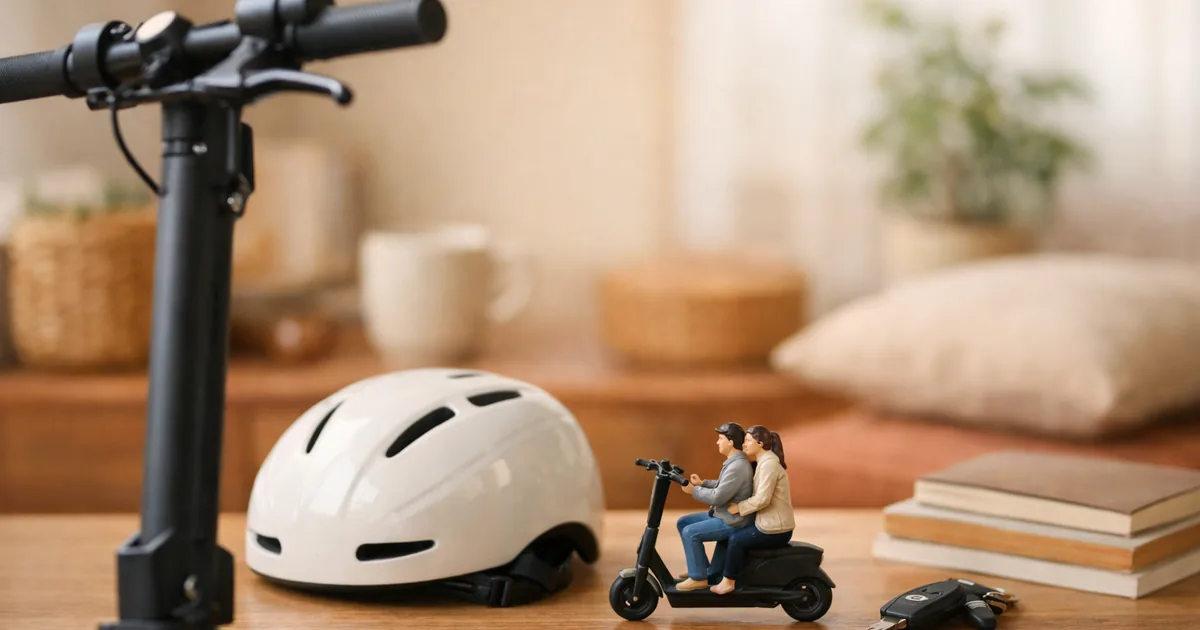
E-Scooter Rules in Korea — 100,000 Won Without a Licence, 20,000 Without a Helmet, 40,000 for Two Riders
Under Korea's Road Traffic Act an e-scooter is a personal mobility device, a kind of motorised bicycle. Nobody under 16 can get the licence, riding without one costs 100,000 won, no helmet 20,000 won, and scooters carry 1 person, so two riders cost 40,000 won. A guardian who lets a child under 13 ride is fined 100,000 won.
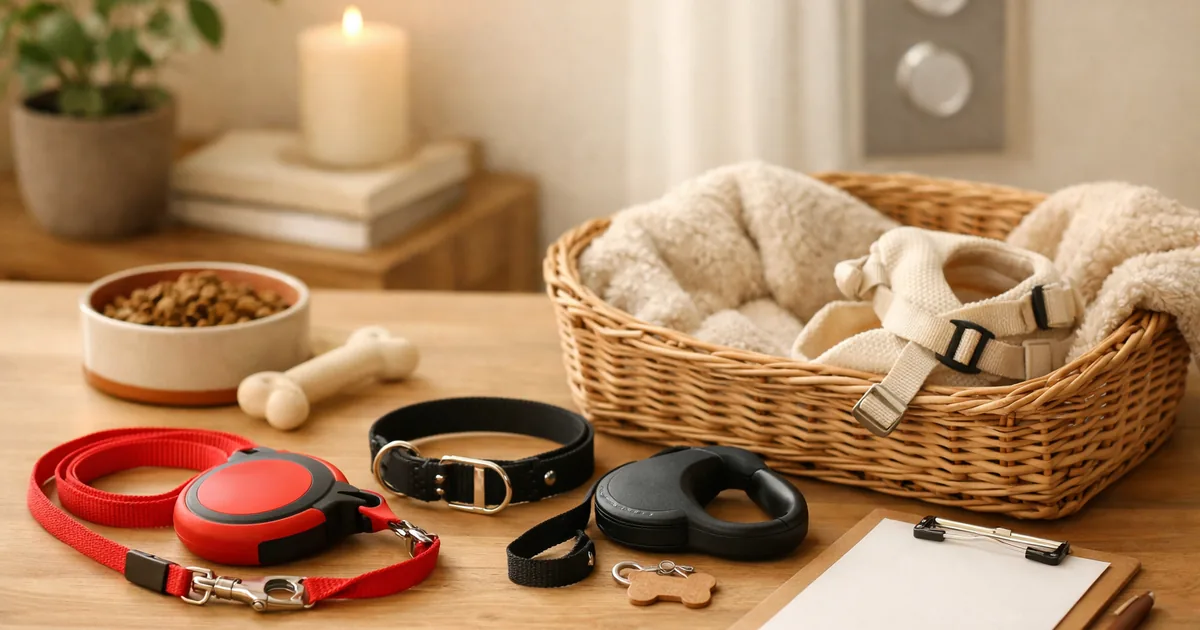
Dog-Walking Rules in Korea — 2-Metre Leads, Hold Your Dog in the Lift, and Up to 600,000 Won for Not Registering
Korea's animal protection decree requires dogs 2 months or older to be registered within 30 days, and its rule caps leads at 2 metres. Fines run 200,000, 400,000 and 600,000 won for not registering, 200,000, 300,000 and 500,000 won for no lead, and from 50,000 won for no tag or uncollected droppings.
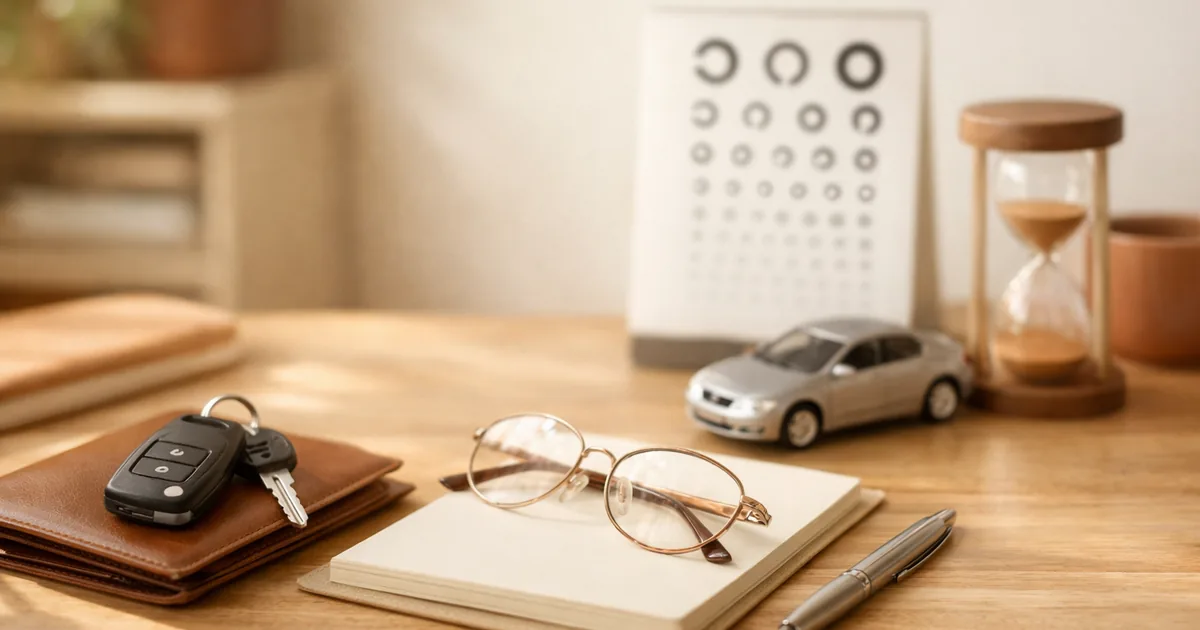
Driving Licences at 70 and 75 in Korea — The Cycle Follows Your Age at Last Renewal, Tests at 70, Training at 75
Article 87 of Korea's Road Traffic Act sets renewal every 5 years if you were 65 to under 75 on the last renewal date and every 3 years from 75. Second-class holders need an aptitude test at 70 or over, and those 75 or over need training to renew. Missing it costs 20,000 or 30,000 won, and more than 1 year means revocation.
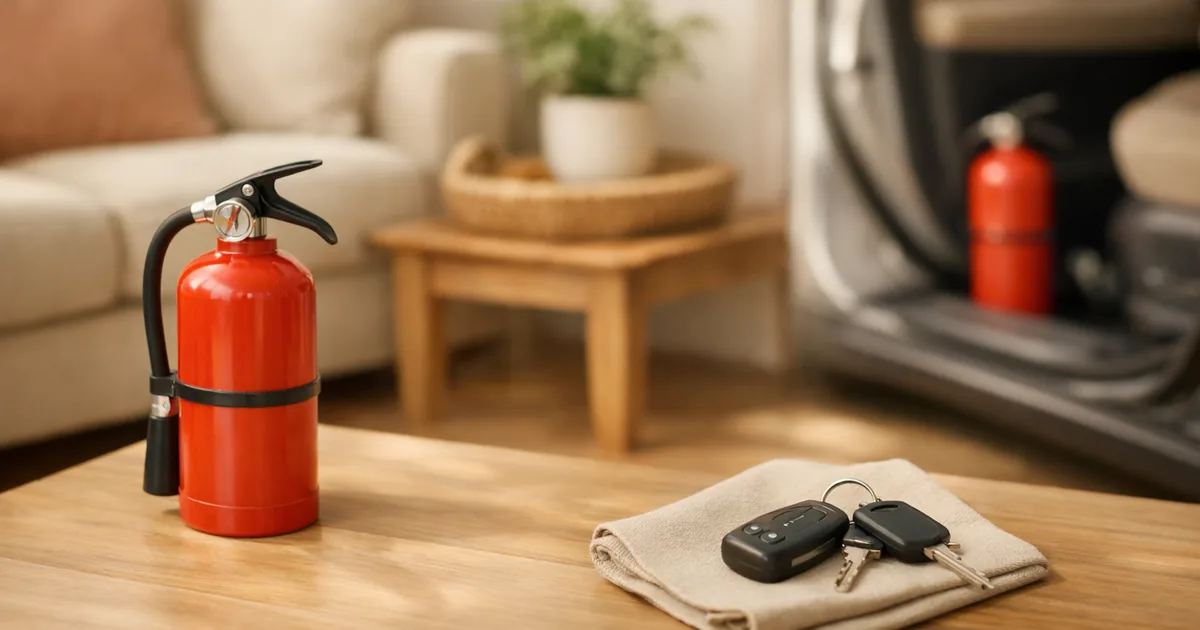
Fire Extinguishers at Home and in the Car in Korea — Apartments Are Out, Used Cars Are In
Article 10 of Korea's firefighting systems Act requires owners of detached and multi-unit houses to install an extinguisher and a stand-alone smoke alarm, excluding apartments and dormitories. The vehicle extinguisher duty began on 1 December 2024 and applies to cars sold or re-registered after that date.
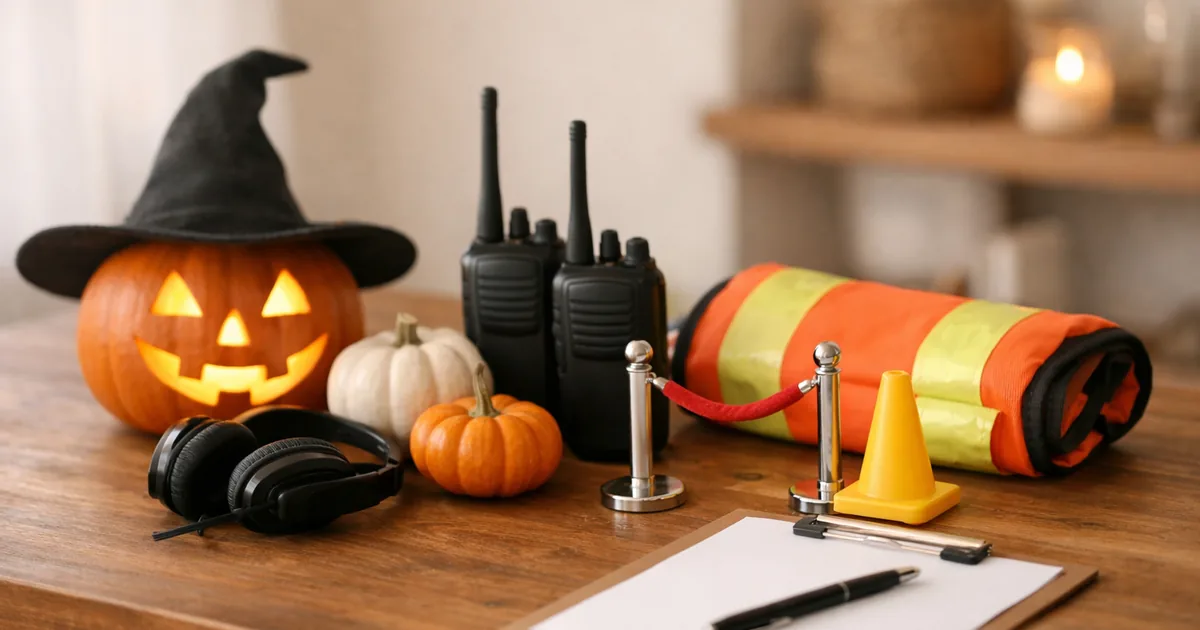
A Halloween With No Organiser — Who Owns Crowd Safety in Korea? The Threshold Is 1,000
The proviso to article 66-11 of Korea's disaster framework Act requires the head of the competent local government to draw up a safety plan where a festival has no organiser or an unclear one. The sentence entered on 26 December 2023.
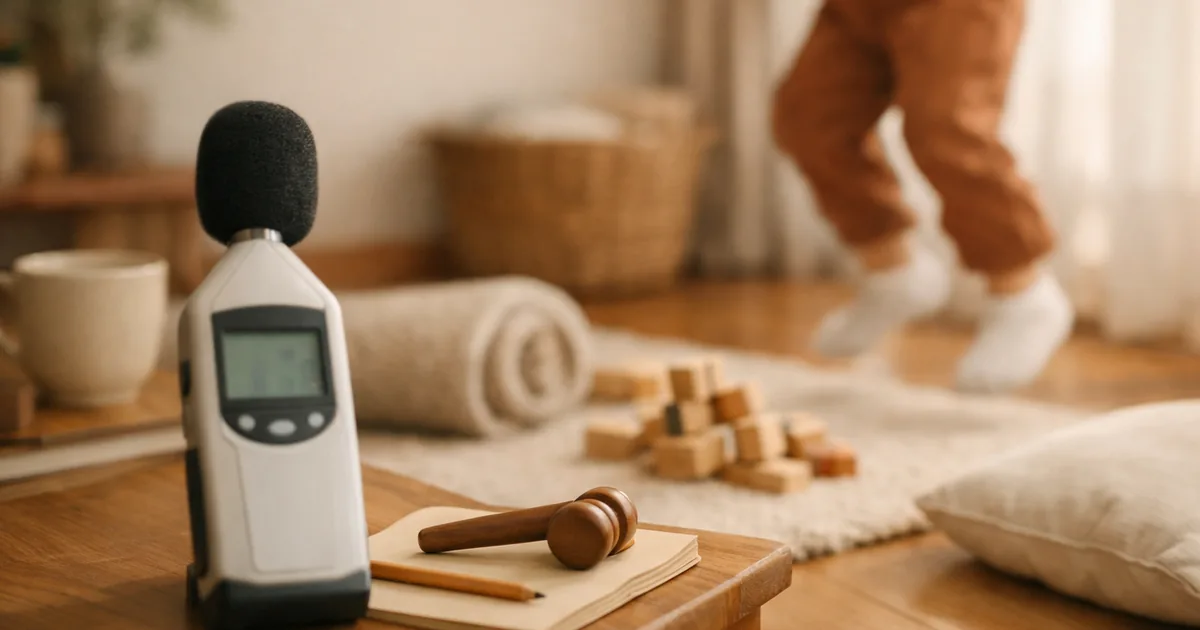
Korea's Floor-Noise Limit Is 39 dB — One Thud Does Not Break It
Every number in Korea's floor-noise standard sits in one table. And a note under that table says the peak limit is only exceeded when it is passed three or more times in an hour.
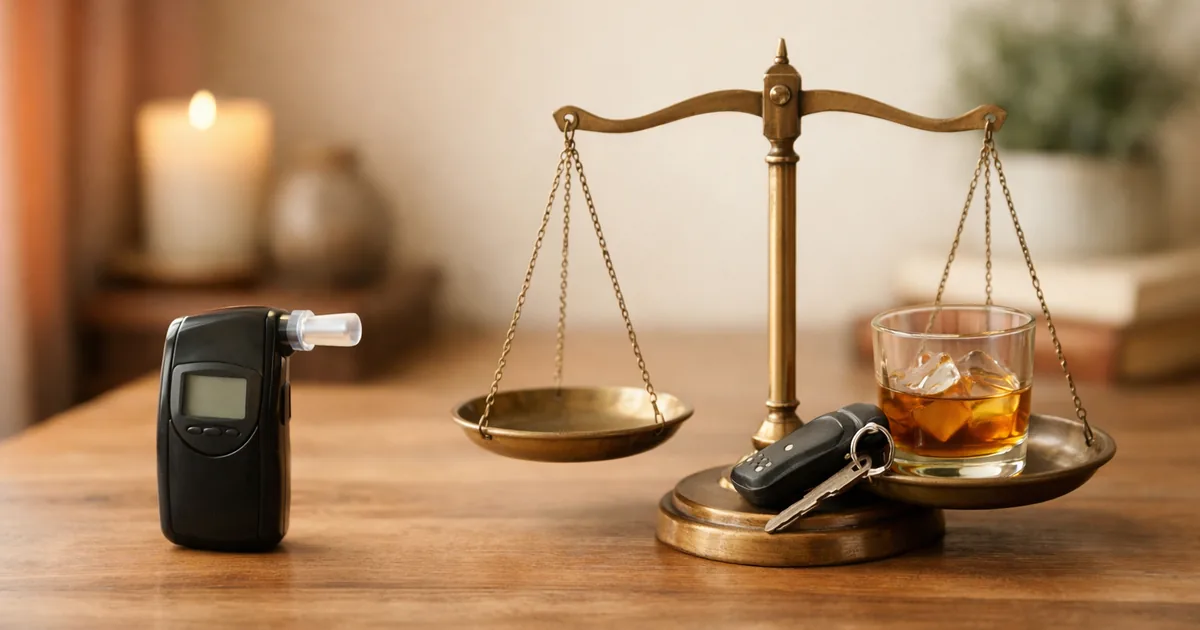
Drunk Driving in Korea — Refusing the Test Costs More Than Failing It
What happens if you refuse the breath test? Art. 148-2(2) of the Road Traffic Act puts it at one to five years - heavier than blowing under 0.08%, and the licence is revoked with no discretion left.
Should You Go to the ER Over a Holiday? Korea Writes the List Into the Rule
What counts as an emergency symptom is set out under nine headings in Table 1 of Korea's Emergency Medical Service Rule - and one entry has the word "holiday" inside it: a child's fever over 38C.

When a Parcel Arrives Broken — Taking It "Without Reservation" Ends the Claim
Art. 146 of Korea's Commercial Act extinguishes the carrier's liability once you receive the goods without reservation and pay the fee. Damage you could not see gets two weeks - and a valuable is not covered at all unless you declared it.
Cancelling a Chuseok Train Ticket — Free on a Weekday, 20% Over the Holiday
KORAIL's penalty table has two rows. Monday to Thursday is free until three hours before departure; Friday to Sunday and holidays carry a minimum penalty even a month out. On a 100,000 won fare that is 5,000 against 20,000.
Chuseok Groceries — We Counted 74 Items, and 54 of Them Fell
The median retail item is down 7.2% on a year ago. Yet Singo pear is +24.9% and Tsugaru apple is −29.1% — 54 points apart inside the same category. It is not an average, it is a split.
Korea's Chuseok Toll Exemption — Three Days by Decree, a Fourth by Cabinet
The Decree names three lunar days. But item 3 of the same paragraph opens it to any day the Cabinet designates - and for 2026 that made it four, 24 to 27 September.

The First Gate Before a Korean Small-Business Policy Loan — Counting Staff Has Its Own Rules
A part-timer at 60 or more hours a month counts as half a person, and the measure is last year's month-end average rather than how many work here today.
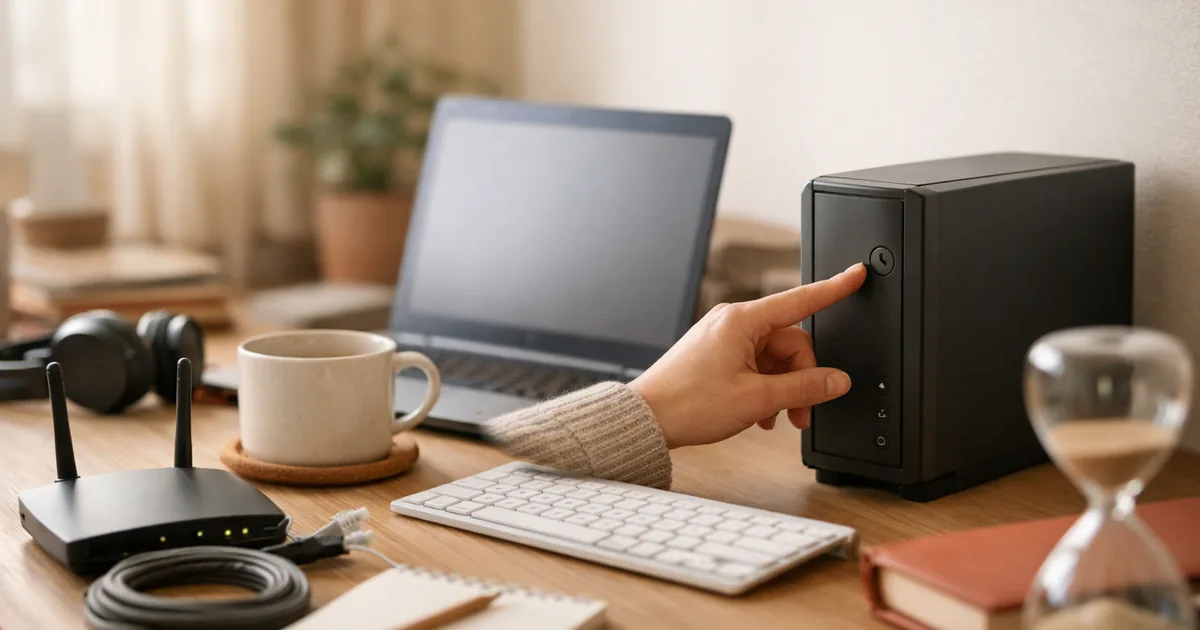
When the Internet Is Down — 30 Seconds Tells You Whose Problem It Is
Put another device on the same Wi-Fi. That one check decides a 15,000-won callout fee — while compensation for two hours is 917 won.
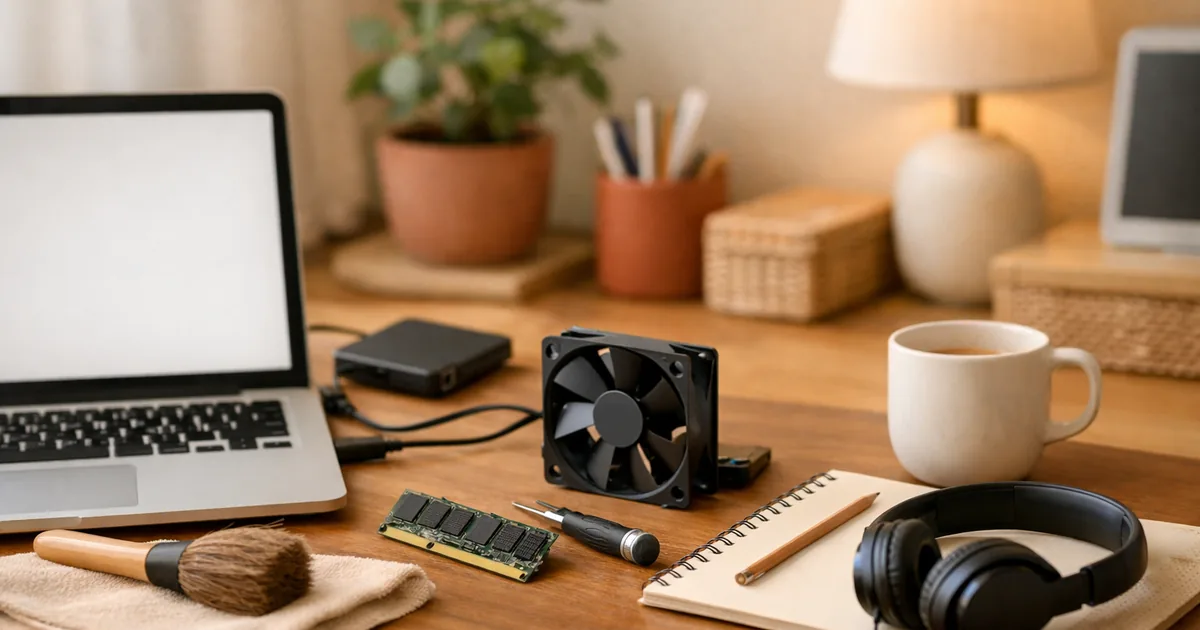
When the Computer Slows Down — Money Enters at Exactly One Point
The first six steps cost nothing. Task Manager tells you whether to spend — memory high always means RAM, the disk at 100% constantly means an SSD.
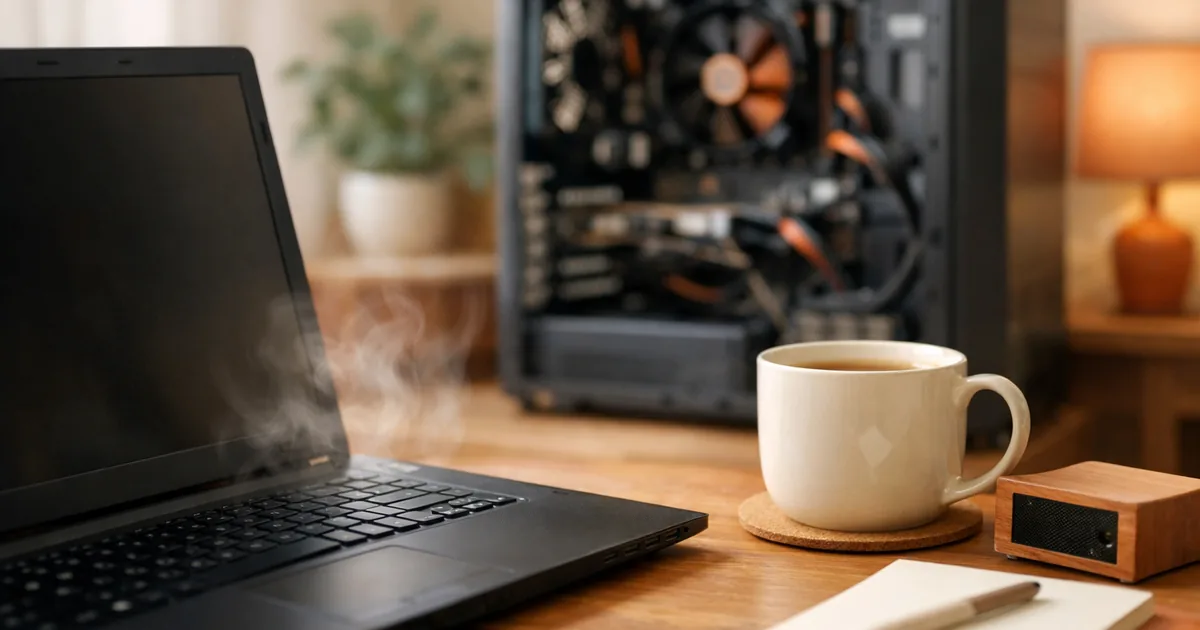
When the Computer Shuts Off — Whether It Slowed Down First Decides the Cause
Heat cuts speed before it cuts power. A shutdown with no slowdown is probably not thermal — and that one fact changes both the document and the bill.

Blank Screen or No Sound — Three Seconds Decides the Bill
Press Windows + Ctrl + Shift + B; a beep means the PC is on and only the display is out. That result is what splits free from paid.

When the Computer Won't Turn On — Five Minutes Decides Free or Paid
Cable, 15 minutes of charging and a long press cost nothing. What splits the bill after that is adapter versus logic board — and the board is covered for two years.
Korea's Jobseeker Benefit — a 68,100 Won Cap, a 66,048 Won Floor, and Days That Expire After a Year
Only 2,052 won separates the cap from the floor, so doubling the salary barely moves the daily figure. And the year runs from your last working day, not from the day you apply.
Korean Card Points — We Could Not Find “Five Years” in Any Statute
There is still no provision setting a five-year point expiry. What we did find is where the law does speak — what happens to points after the term runs, and what changes at 50,000 won.

Unclaimed Insurance Money — the Three Years, and the Provision That Protects Them
Commercial Act art. 662 fixes three years and nothing else — not the start, not interruption, not inheritance. All three are in the Civil Act, and a bare demand buys only six months.
Unclaimed Money in Korea — Where “But I Got a Notice” Does Not Help
For taxes the statute says the period is not interrupted by a notice urging you to claim. For health insurance and the pension, a claim does interrupt it.

Korean Residence Records — “Only You” Applies to the Online Service, Not the Counter
The provision opens with “the person or a member of the household” and its proviso spells out delegation. The counter is far wider than the app.
Making Your Phone Battery Last — Half the Common Advice Is Wrong
We finally checked “a swollen battery is dangerous” against the regulators. The FAA restricts spare batteries to carry-on only, and the CPSC tells consumers to take swollen power banks to hazardous waste, not the bin.
What's Been Opened in Your Name — Lookup, Block and Alert Are Three Different Services
A ministerial notice defines all three separately. And name theft and name lending lead to opposite outcomes.
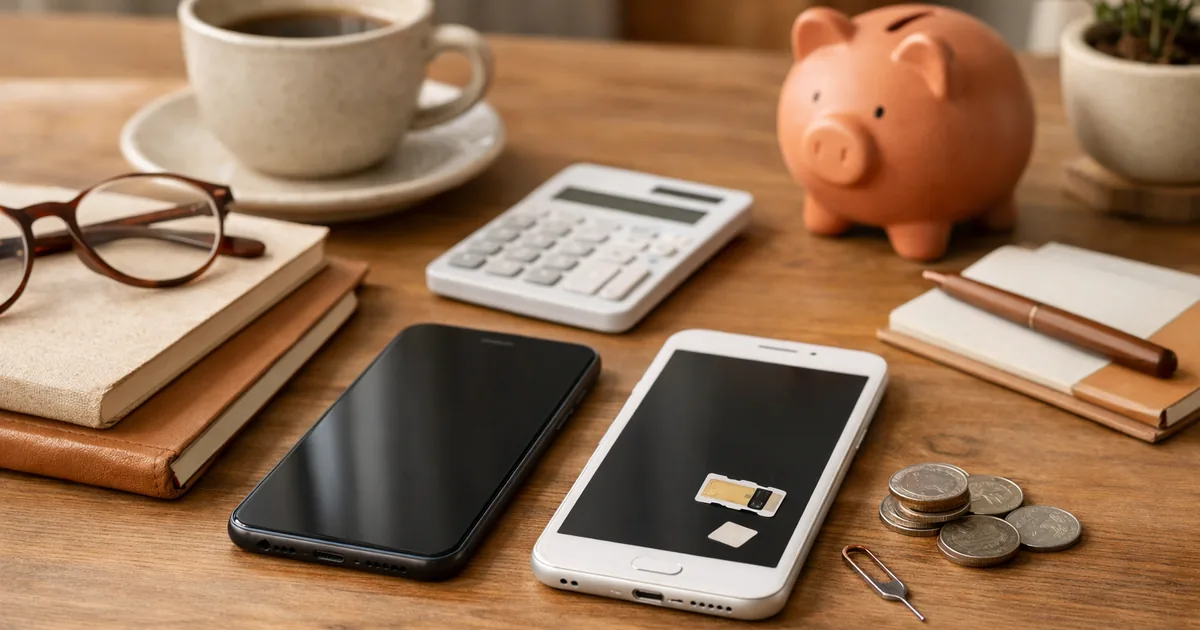
The Line an MVNO Has to Beat Is 75% of List Price, Not List Price
One sentence in the official guidance changes the whole comparison: the 25% discount is carrier-only, and MVNO users are excluded.
Cheap Flights, and the Refund Thresholds Most People Miss
US DOT rules: a 3-hour domestic or 6-hour international delay means an automatic refund, no request needed.

Booking Hotels Cheaply — and the All-In Pricing Rule Since May 2025
US lodging must now show the total price. And which card you use swings the fee fivefold.
One Degree Costs 7% More Power — But Up to 20.8% More on the Bill (2026)
The Energy Agency's “7% per degree” is about consumption. Run it through the tiers and the bill rises 9.9–20.8%.
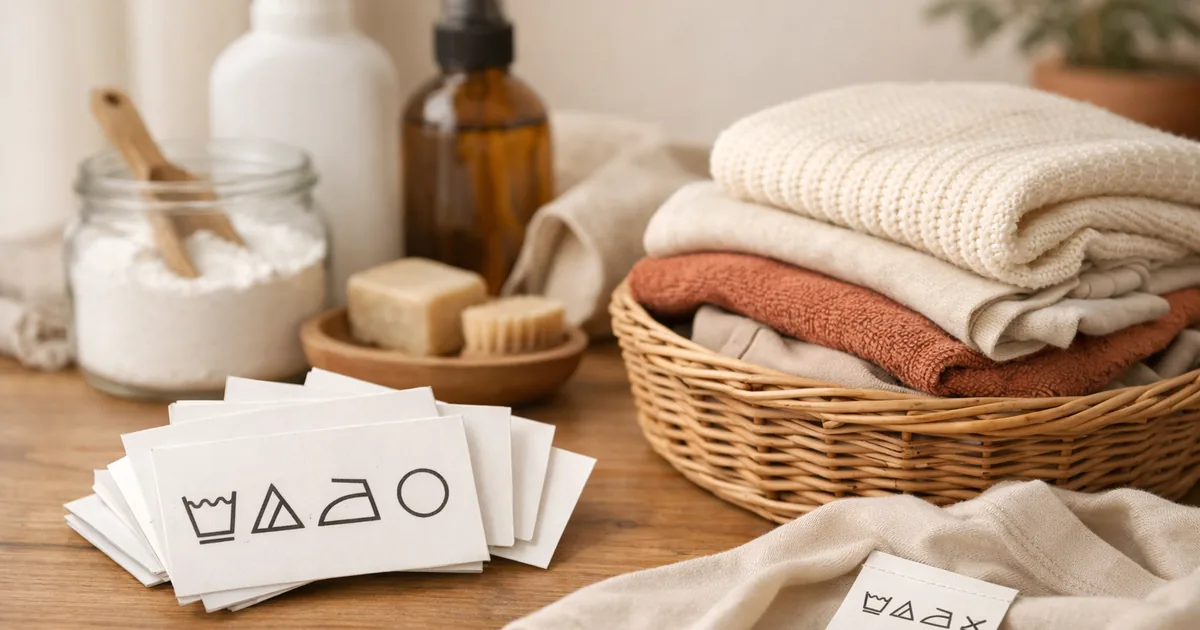
Reading Korean Care Labels — Five Symbols and Six Irreversible Mistakes
Half of all laundry disputes come down to the wrong washing method. The right one is already sewn into the garment.

Stains and Discolouration — Why Soaking in Bleach Removes Colour Too
A third of Korea's laundry complaints are colour problems. Stains are decided in the first three minutes.
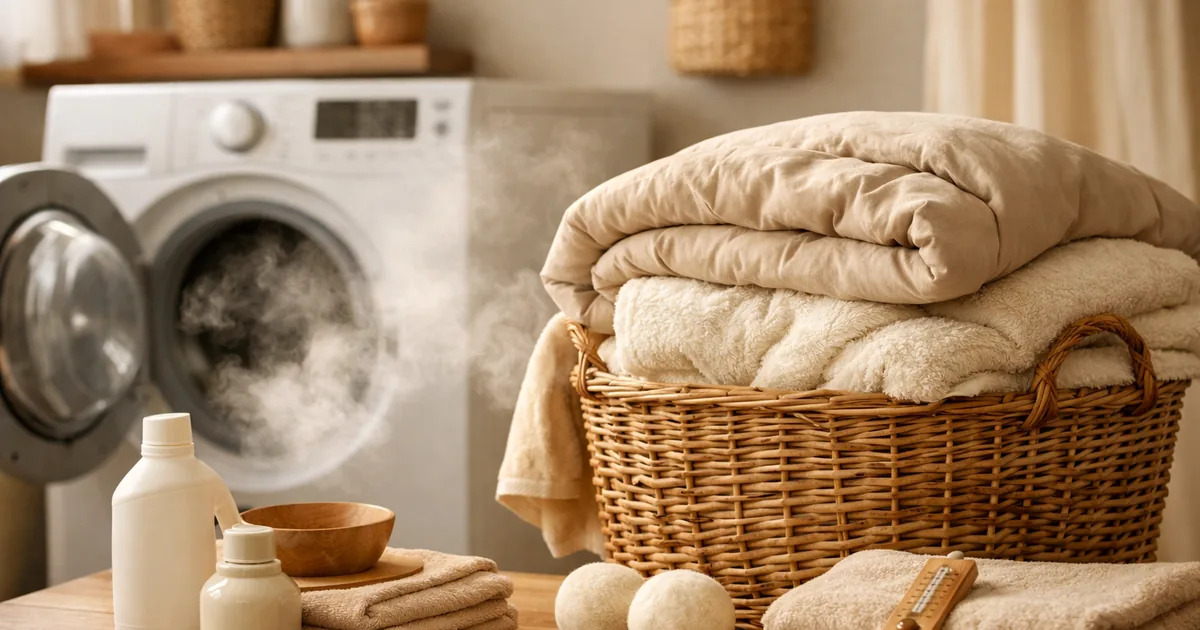
Washing Machine Care and Bulky Items — 90% of the Energy Heats Water
Per the Korea Energy Agency, 90% of a wash cycle's energy heats water. Dropping to 40°C cuts it to a third.
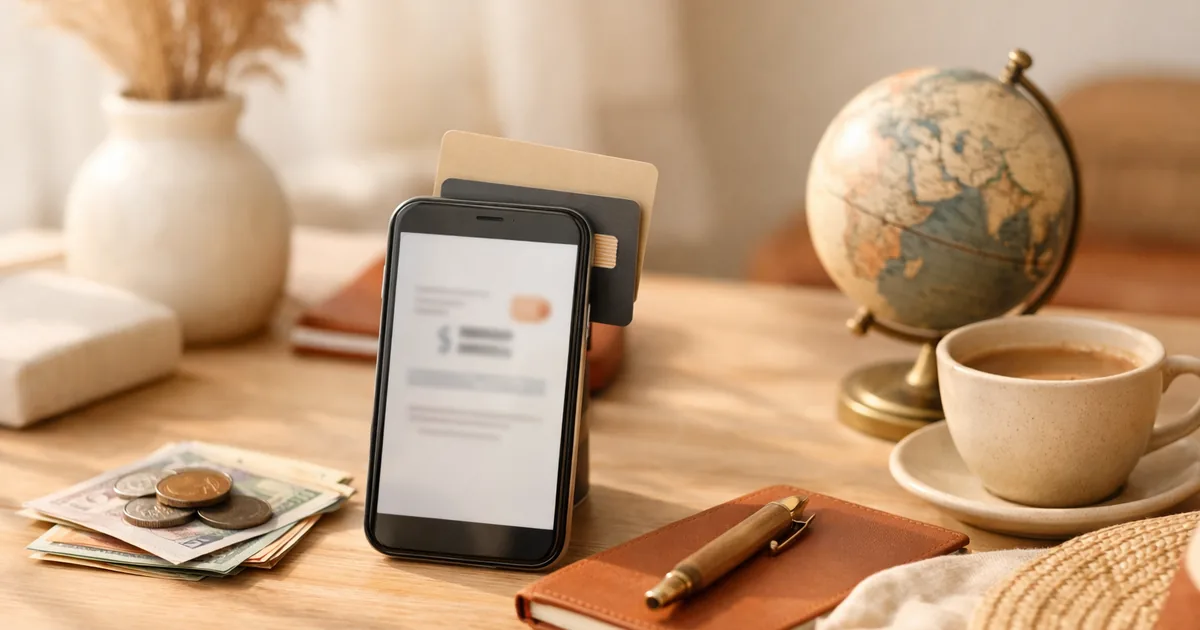
Foreign Payment Fees — Paying in Your Home Currency Doesn't Remove Them
The wording reads “foreign currency, or outside the country, or with a foreign merchant.” Switching currency leaves nowhere to escape to.
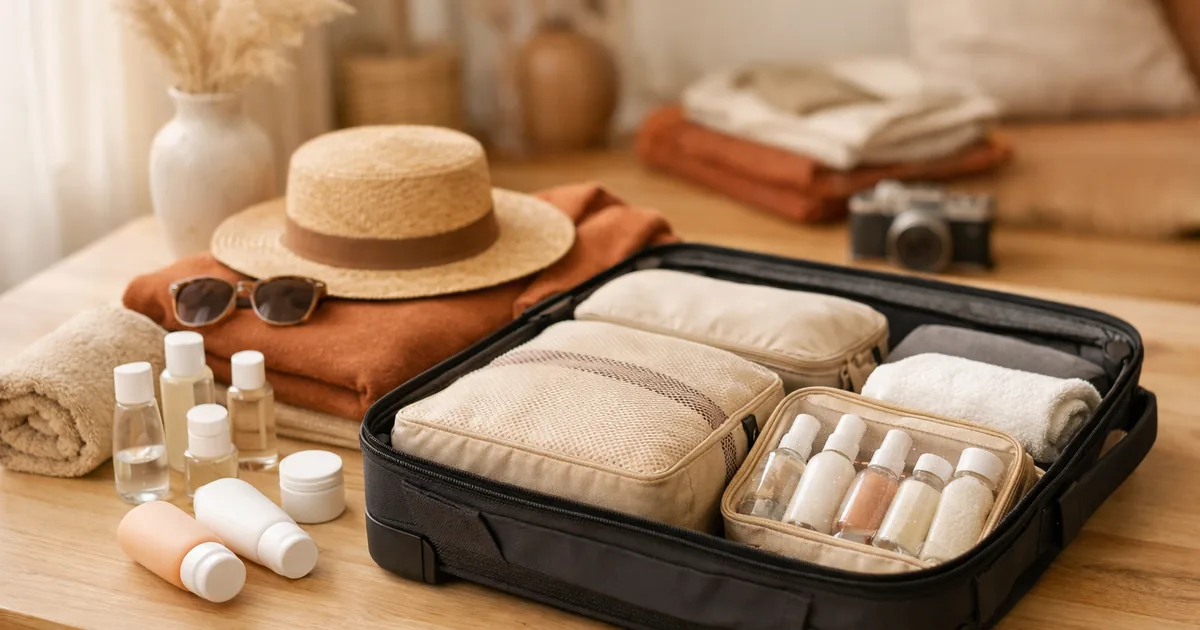
The Complete Packing Guide — Liquid Rules and Doubling Your Space
Five of the agency's 26 items are not objects — and one of them is your glasses prescription.

Beating Jet Lag — Light Timing Is Almost Everything
The agency gives only four numbers — three time zones, 15-20 minute naps, two days early, and a bedtime shift that reverses with direction.
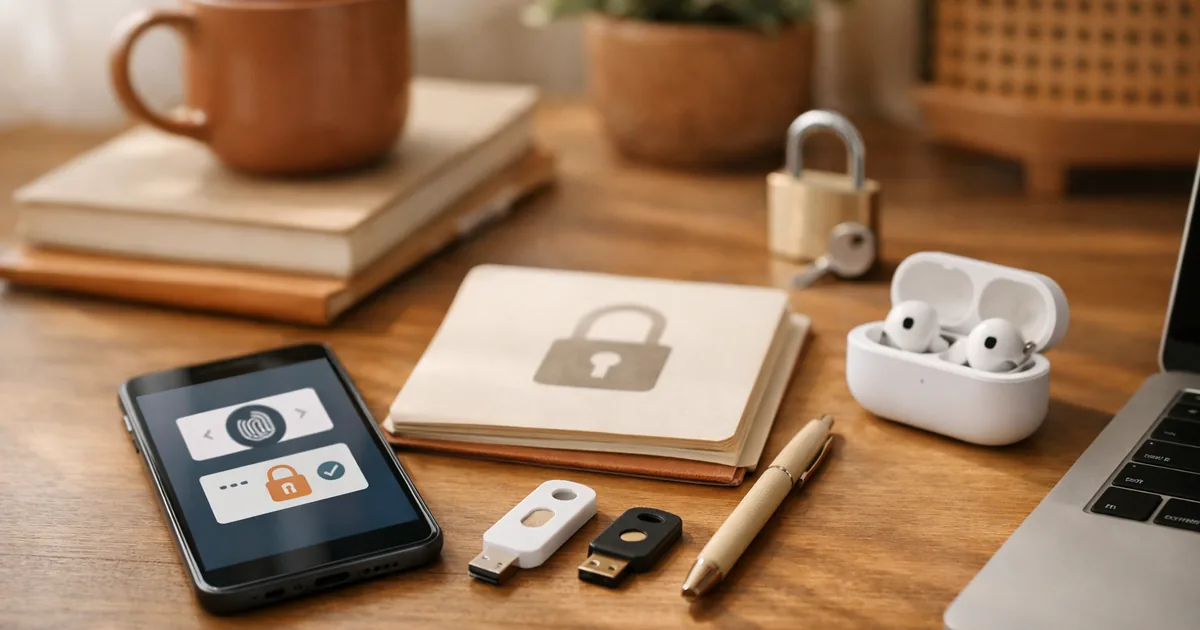
Password Security, Properly — Two-Factor Authentication and Passkeys
“Mix symbols, change every 90 days” - the US standards body writes SHALL NOT next to both.
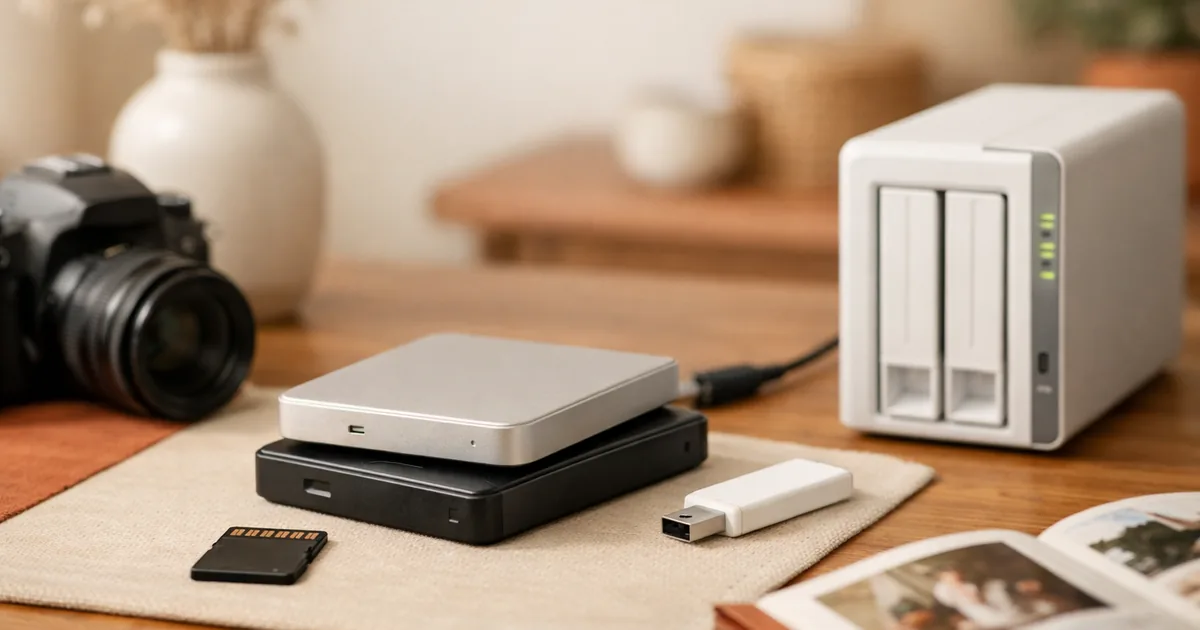
Never Lose Your Photos — The 3-2-1 Backup Rule
“3-2-1” is CISA’s small-business wording, but its ransomware guide keeps demanding offline, encrypted and tested backups.
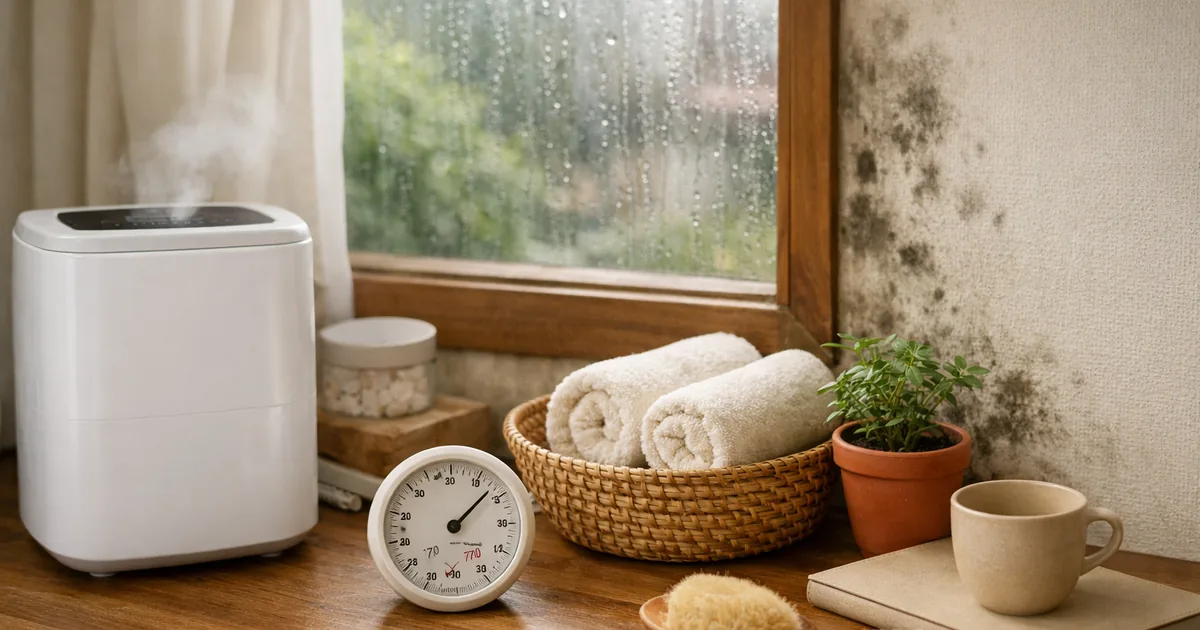
Monsoon Mold — CDC Does Not Recommend Mold Testing
Because no acceptable-amount standard exists, a result informs no decision. Two numbers remain: under 50% all day, and dry within 24-48 hours.
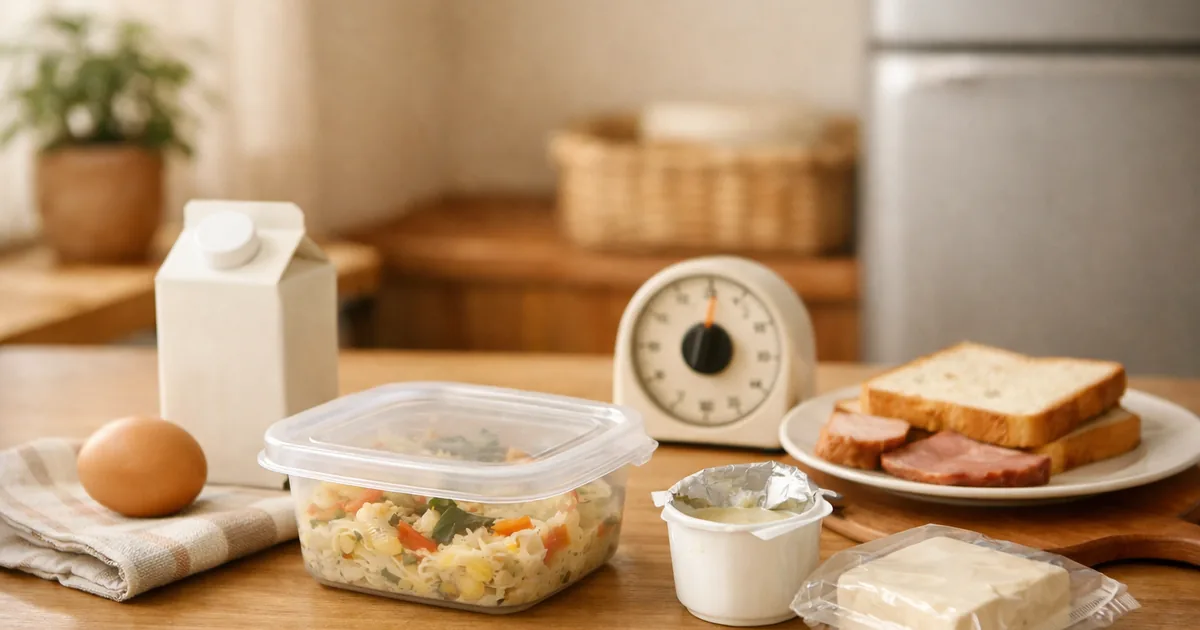
Sell-By vs Use-By in Korea — 60-70% and 80-90% of the Same Limit
Korea's consumption date sits at 80-90% of the quality-safety limit; the old distribution date sat at 60-70%. Ten-day noodles: 6-7 days versus 8-9.

Korea's grade-9 civil servant starts below the minimum wage — on base pay (2026)
We opened the Ministry of Personnel Management's Pay Table 3. Step-1 base pay sits under the monthly minimum wage, and the largest step increase lands between steps 8 and 9.