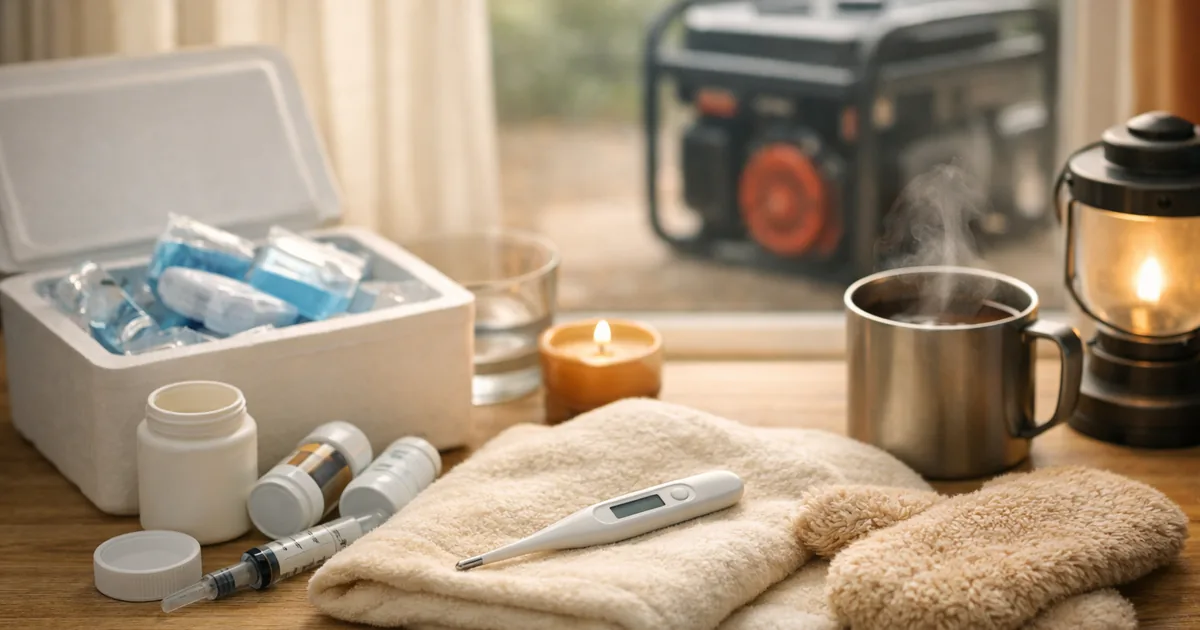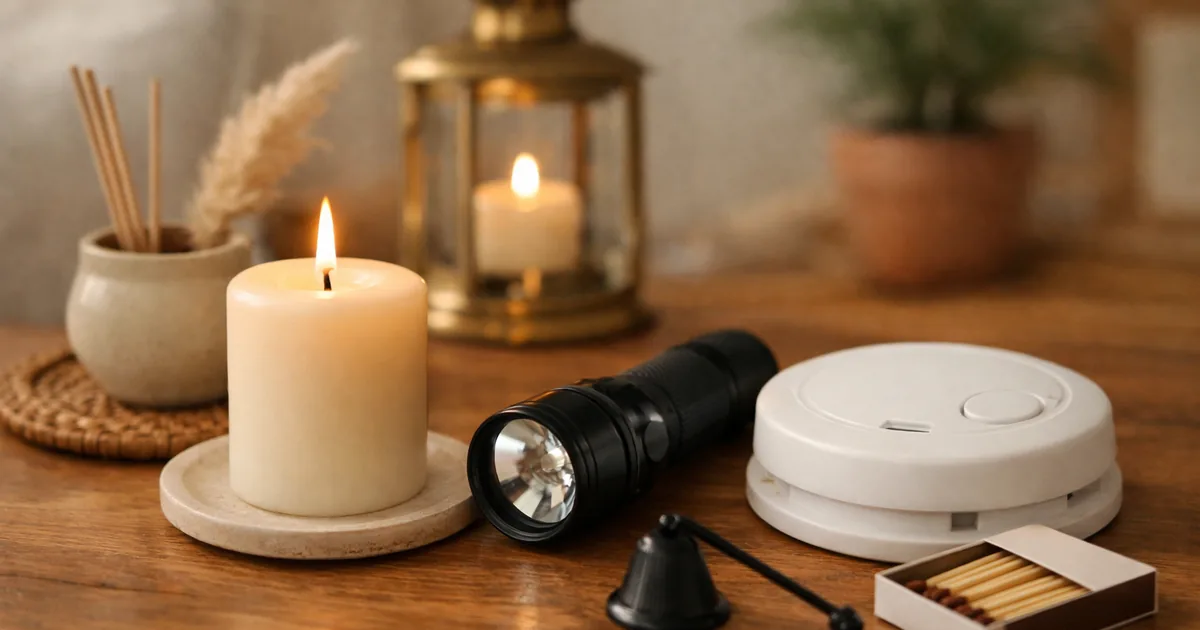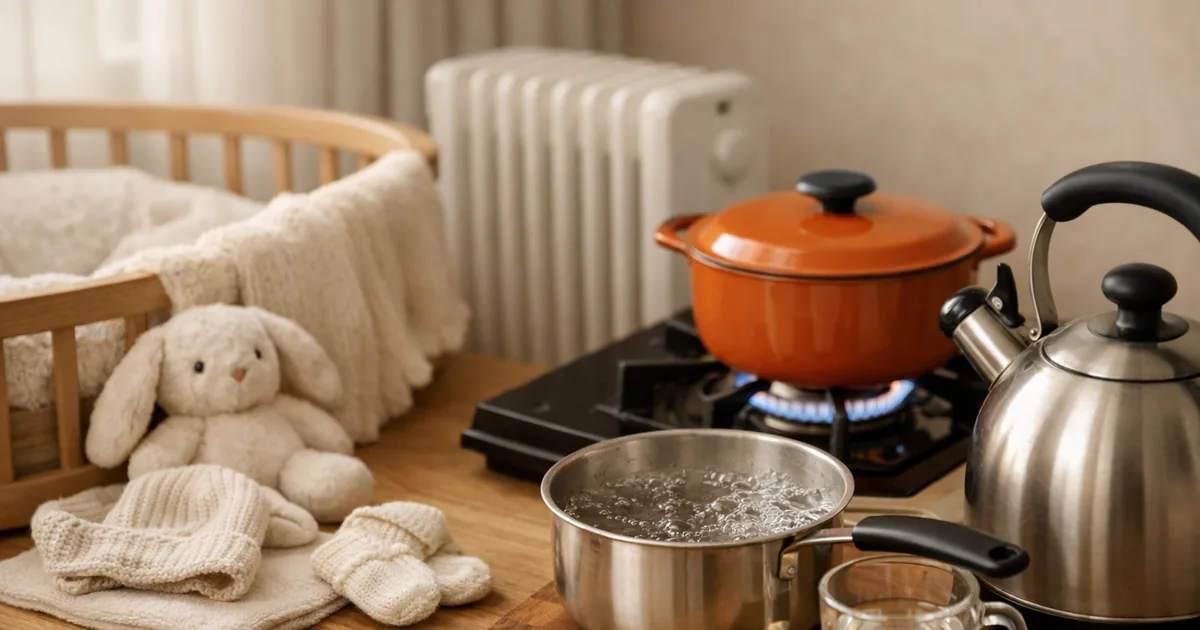
A long cold snap or a power cut can make home unsafe too. In the “Indoors” part of its “Safety Guidelines: During & After a Winter Storm” page, the CDC states that turning on the stove for heat is not safe and that infants less than one year old should never sleep in a cold room. If you are over 65, check your home’s temperature often in extreme cold, and check on older friends and neighbours often. If you’re worried about water, leave taps dripping, and bringing water to a rolling boil for one minute kills most germs. Here is the whole part — extra heat, space heaters, lighting, generators, conserving heat, babies and older adults, water and food — in its own order.
1. Never heat with the stove — combustion heaters only if vented outside; heating serviced every year.
2. No baby under 1 in a cold room — no pillows or soft bedding; footed pyjamas, wearable blankets or sleep sacks.
3. Water — taps dripping, thaw with a hair dryer not a torch, boil water for 1 minute.
Extra heat and one “don’t” — CDC
| Type | What the source says | Worth noting (ours) |
|---|---|---|
| Power cut backup | Extra blankets, sleeping bags, winter coats; a code-compliant fireplace with dry wood or a gas log fireplace; portable space heaters or kerosene heaters | — |
| Kerosene heaters | Check with the local fire department that they’re legal where you live | A US local-rules point (our note) |
| Stove | Turning on the stove for heat is not safe | We read it as gas hob and oven alike |
Space heaters — CDC
| Type | What the source says | Worth noting (ours) |
|---|---|---|
| Choose | Electric heaters with automatic shut-off and non-glowing elements | — |
| Distance | At least 3 feet from drapes, furniture and bedding | 3 ft ≈ 0.91 m (our conversion) |
| Placement | Never covered, never on furniture or near water, never with children unattended | — |
| Cord | Not a tripping hazard, but not under carpets or rugs; avoid extension cords | — |
| Faults | Don’t use it if the cord is damaged or it sparks | — |
Space heater rules from the US Fire Administration are also in space heater safety.
Other heating rules — CDC
| Type | What the source says | Worth noting (ours) |
|---|---|---|
| Venting | Fireplaces, wood stoves and other combustion heaters only if properly vented outside | — |
| Kerosene | Proper ventilation if you must use one | — |
| Servicing | Heating serviced by a qualified technician every year | — |
| Paper | Don’t burn paper in a fireplace | — |
| Fuel | Only the fuel the heater is designed for — no substitutes | — |
Lighting and generators — CDC
| Type | What the source says | Worth noting (ours) |
|---|---|---|
| Lighting | Battery flashlights or lanterns rather than candles; never leave lit candles unattended | Candle rules: link below |
| Generator distance | At least 20 feet from any window, door or vent | 20 ft ≈ 6.1 m (our conversion) |
| Detector | Install a battery-operated CO detector | — |
| Never indoors | No generators, gas or charcoal grills, camp stoves or similar devices inside the home | — |
| Connections | Appliances plugged in individually with heavy-duty outdoor-rated cords | — |
| Wet, petrol | Don’t use them wet; don’t store gasoline indoors | — |
More on candles in candle fire safety, and on generators in generator safety in a power cut.
Conserving heat — CDC
| Type | What the source says | Worth noting (ours) |
|---|---|---|
| Ventilation note | Some gas heaters, such as vent-less gas fireplaces, need some ventilation | — |
| Doors, windows | Avoid opening them unnecessarily | — |
| Rooms | Close off unneeded rooms | — |
| Gaps | Stuff towels or rags in cracks under doors | — |
| Night | Close drapes or cover windows with blankets | — |
Babies and older adults — CDC
| Type | What the source says | Worth noting (ours) |
|---|---|---|
| Baby’s sleep | Under 1: never sleep in a cold room; remove pillows and soft bedding | — |
| Baby’s clothes | Footed pyjamas, one-piece wearable blankets or sleep sacks | Dress warmer instead of adding covers (our reading) |
| Home temperature | Try to keep the home warm; in an emergency, warm the baby with your own body heat | — |
| Older neighbours | Check on older friends and neighbours often | — |
| Over 65 | Check the home’s temperature often in extreme cold | Thermometer: winter storm preparation |
Water and food — CDC
| Type | What the source says | Worth noting (ours) |
|---|---|---|
| Taps | Leave all taps slightly open so they drip | — |
| Warm pipes | Keep the home warm; open cabinet doors under sinks so warm air reaches the pipes | — |
| Frozen | Never thaw with a torch — slowly, with warm air from a hair dryer | — |
| Boiling | A rolling boil for one minute kills most germs | — |
| Drinks | Alcohol and caffeine make the body lose heat faster — drink warm, sweet drinks or broth | — |
| Meals | Eat well-balanced meals | — |
Hypothermia signs — CDC
The page lists seven adult signs — shivering, exhaustion, confusion, fumbling hands, memory loss, slurred speech, drowsiness — and for babies bright red, cold skin and very low energy. A body temperature below 95°F (35°C, our conversion) is an emergency: get medical attention immediately. What to do while waiting is in hypothermia.
Checklist
- ☐ Never heat with the stove; combustion heaters vented outside
- ☐ Electric heater with auto shut-off, 3 feet clear, no extension cord
- ☐ No generators, grills or camp stoves indoors; battery CO detector
- ☐ Babies under 1 never in a cold room; no pillows
- ☐ Check on older neighbours often
- ☐ Taps dripping, hair dryer for frozen pipes, boil water 1 minute
Questions that remain
What temperature for a baby’s room?
This page gives no number. “Never sleep in a cold room” and “keep the home warm” are the rule.
Is the gas stove fine for a few minutes?
The CDC says turning on the stove for heat is not safe, with no time exception.
Sources
- CDC — Safety Guidelines: During & After a Winter Storm — source (page last reviewed 25 August 2026; checked 26 October 2026). The “Indoors” part — extra heat, no stove heating, space heaters (3 feet), five other heating rules, lighting, generators and appliances (20 feet, CO detector), five ways to conserve heat, babies and older adults, water (boil 1 minute), drinks, hypothermia signs (95°F).
- Not read. The page’s “Outdoors” part (in snow shoveling and ice safety); Korean indoor temperature guidance.
- What we added. The “worth noting” column and the Korean everyday gloss.
Where to check further
- A paediatrician — baby sleep temperature and clothing.
- Building management or gas supplier — heating checks.
Written on 26 October 2026. The content is from the source; the glosses are ours.