#CDC
Related posts · 19 posts
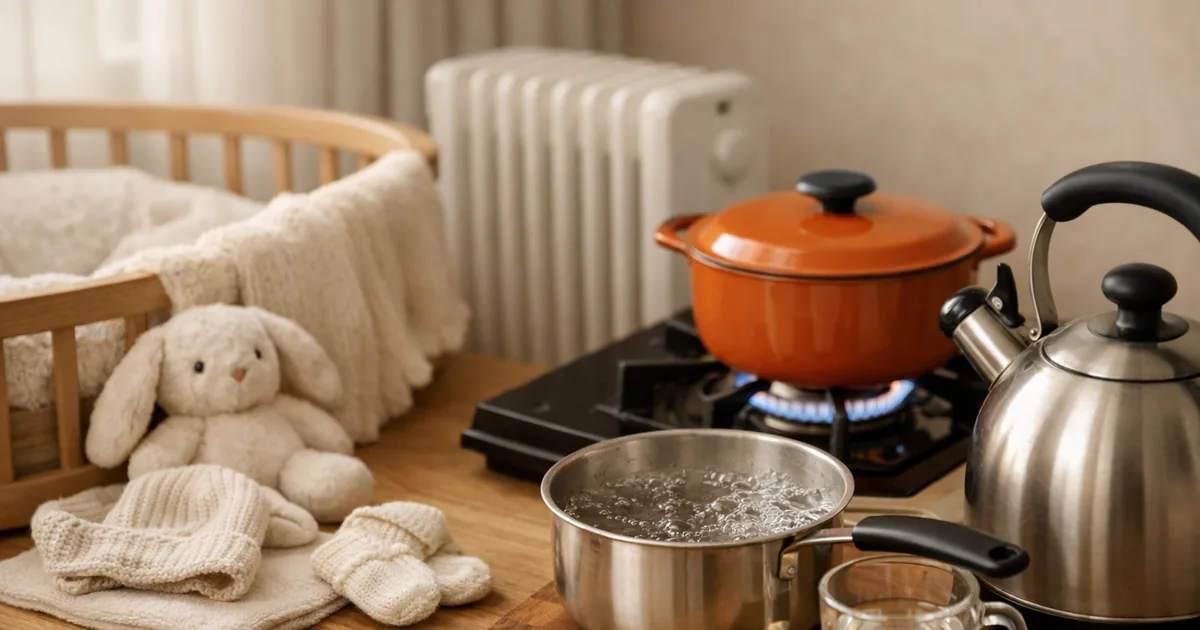
Staying Warm Indoors in a Winter Storm — CDC: No Baby Under 1 in a Cold Room, Never Heat With the Stove, Boil Water 1 Minute
The CDC says turning on the stove for heat is not safe and infants under 1 should never sleep in a cold room. Keep space heaters 3 feet from drapes and bedding, generators 20 feet from windows and doors, and boil water for 1 minute to kill most germs.

Snow Shoveling and Ice Safety — CDC: Cold Strains the Heart, Work Slowly, Stranded Cars Run About 10 Minutes an Hour
The CDC says cold weather puts extra strain on the heart, so follow your doctor's advice on shovelling snow and work slowly. Stay off the ice, and if stranded run the motor and heater about 10 minutes per hour with a window slightly open and the exhaust clear.
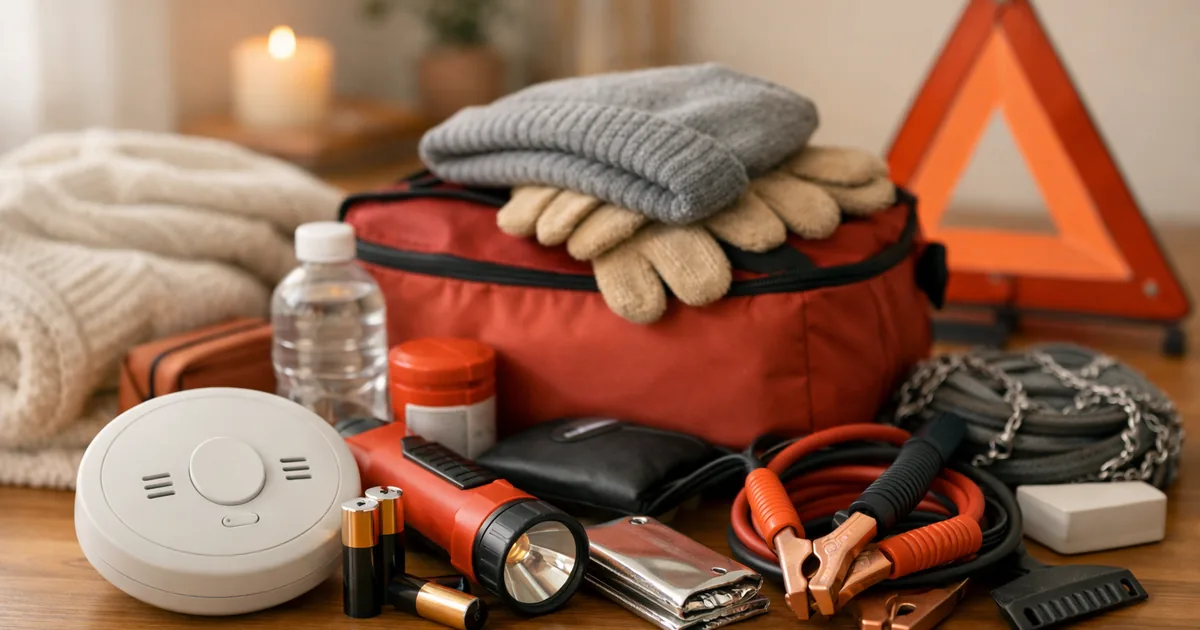
Winter Storm Preparation — CDC: Test CO Detectors Monthly, Batteries Twice a Year, a 17-Item Car Emergency Kit
The CDC says to insulate outside-wall water lines before a winter storm and, if you use a fireplace or heater, test smoke and battery CO detectors monthly and replace batteries twice a year. Keep tires typically at 30-35 psi and a 17-item kit in the car.
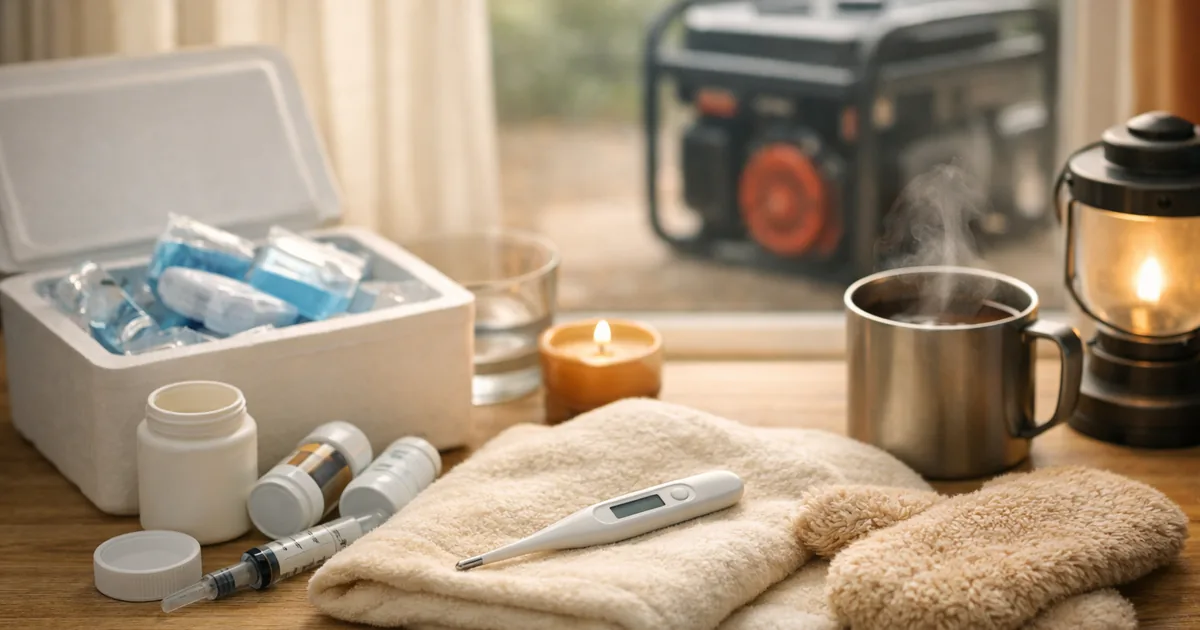
Power Outage Safety — CDC: Refrigerated Medicine After 1 Day, Generators 20 Feet from Windows, Hypothermia Below 95°F
The CDC says never run generators or gasoline engines indoors, in garages or within 20 feet of windows, doors or vents; throw out refrigerated medicine after 1 day without power unless the label says otherwise; and get help at once if a suspected hypothermia temperature is below 95°F (35°C).
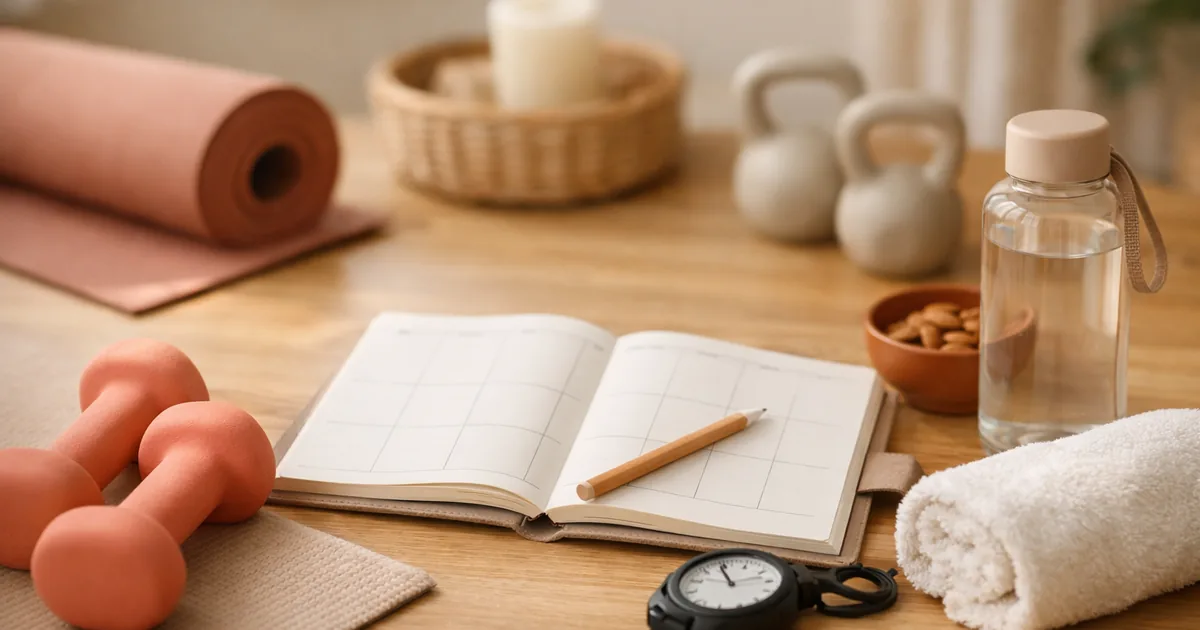
Weekly Exercise Plan — 150 Minutes + 2 Strength Days, 30 × 5, CDC's Three Sample Weeks and a Checker
The CDC recommends adults get 150 moderate minutes and 2 strength days a week, split like 30 minutes on 5 days, and shows three sample weeks; three 25-minute jogs (75 minutes) also work. A checker tells you whether this week meets the guideline.
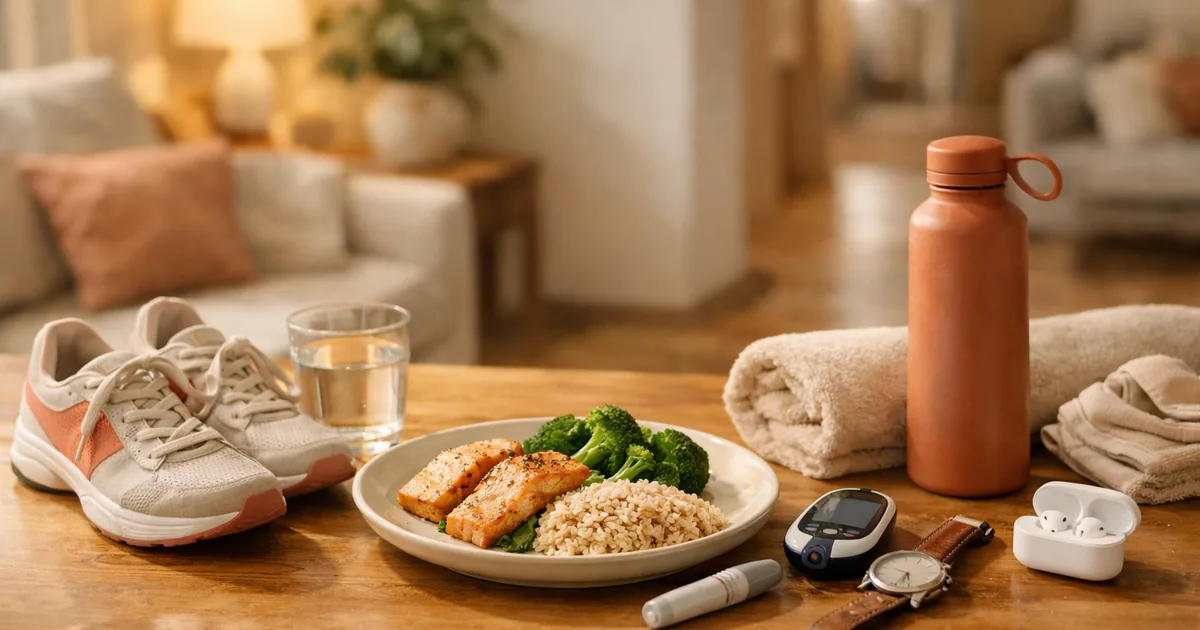
Exercise with Diabetes — 150 Minutes a Week, 30 Minutes Most Days, Start with a 10-Minute Walk After Dinner (CDC)
The CDC sets a goal of 150 minutes+ of moderate activity a week with diabetes, about 30 minutes on most days, starting small with a 10-minute walk after dinner and no more than two days off in a row. Blood sugar is likely lower after a walk.
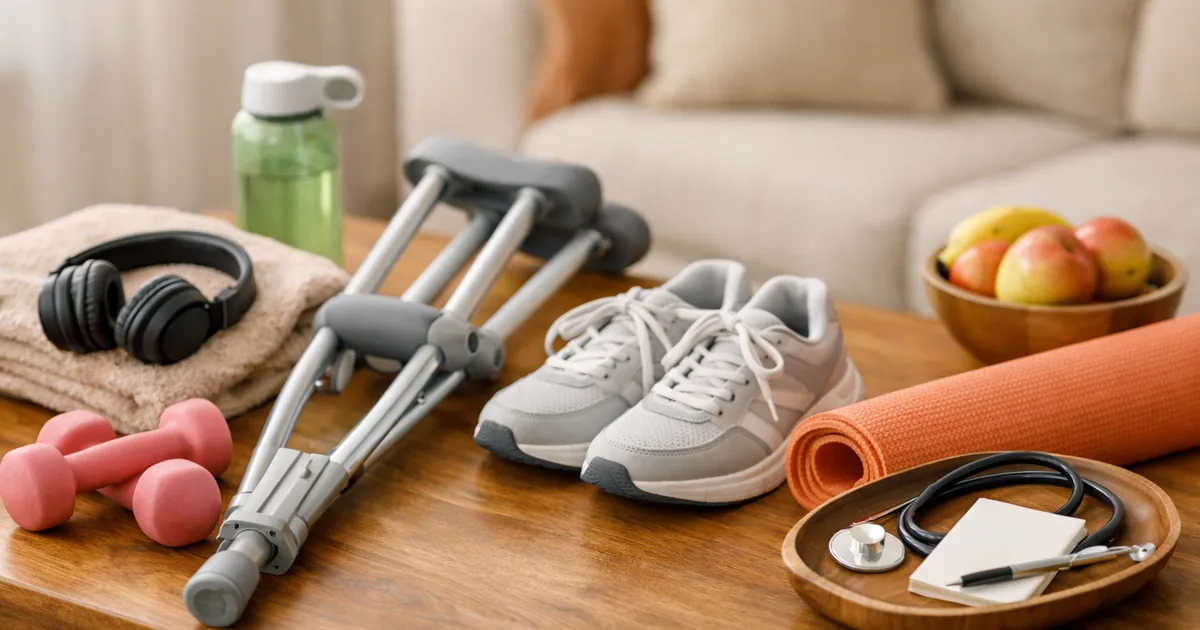
Exercise with a Disability — the 150-Minute Guideline Still Applies; Do What You Can; 82% More Active When a Doctor Advises (CDC)
The CDC recommends that adults with disabilities get 150 minutes moderate or 75 vigorous a week plus 2 strength days, or be as active as abilities allow. A doctor's recommendation made activity 82% more likely, but only 44% received one.

Eight Reasons People Don't Exercise and How to Get Past Them — Find Five 30-Minute Slots in a Week (CDC)
The CDC names eight barriers to exercise — time, social support, energy, motivation, fear of injury, skill, cost and facilities, and weather — and, for lack of time, suggests tracking a week to find at least five 30-minute slots.

Calories Burned by Activity — 140 kcal for a 30-Minute Walk and 295 for a Run at 70 kg; Weight Loss Is Mostly Diet (CDC Table)
By the CDC table, a 154 lb (70 kg) person uses about 140 kcal walking at 3.5 mph for 30 minutes and about 295 kcal running at 5 mph. The CDC says most weight loss comes from eating less, and keeping it off needs regular activity.
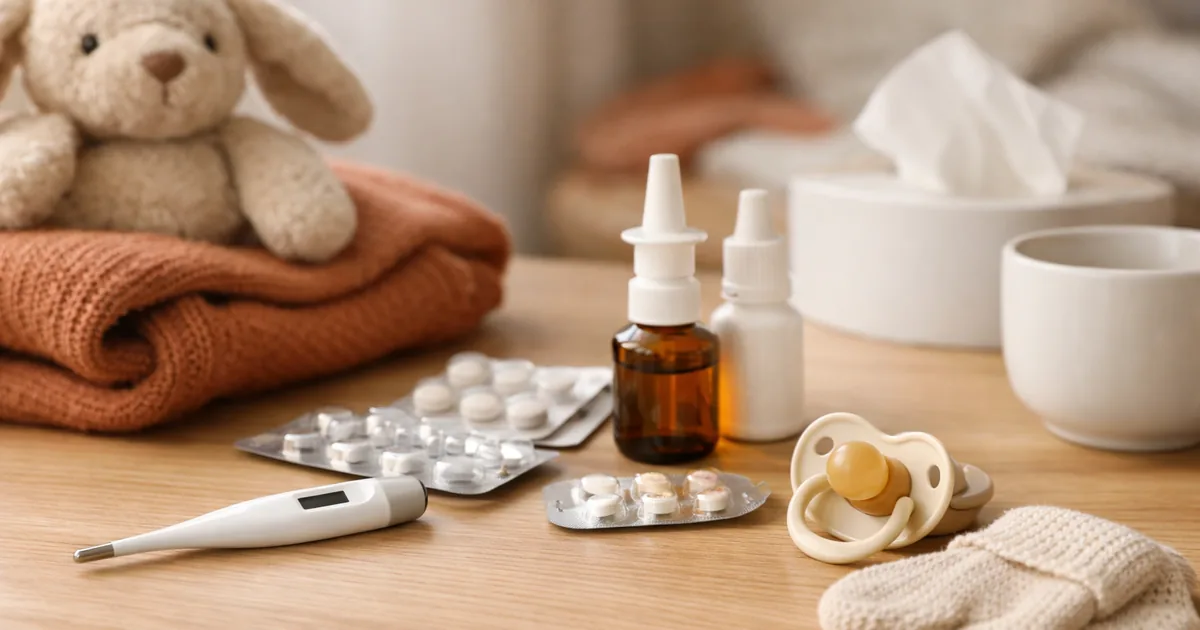
RSV Symptoms — CDC: 4 to 6 Days After Infection, Over in 1 to 2 Weeks, Contagious 3 to 8 Days
The CDC describes RSV as a common virus infecting the nose, throat and lungs. Runny nose, cough, fever and wheezing appear in stages 4 to 6 days after infection, and most infections clear in a week or two. People are usually contagious for 3 to 8 days, some babies for 4 weeks or longer, and infants under 6 months and older adults are most at risk.
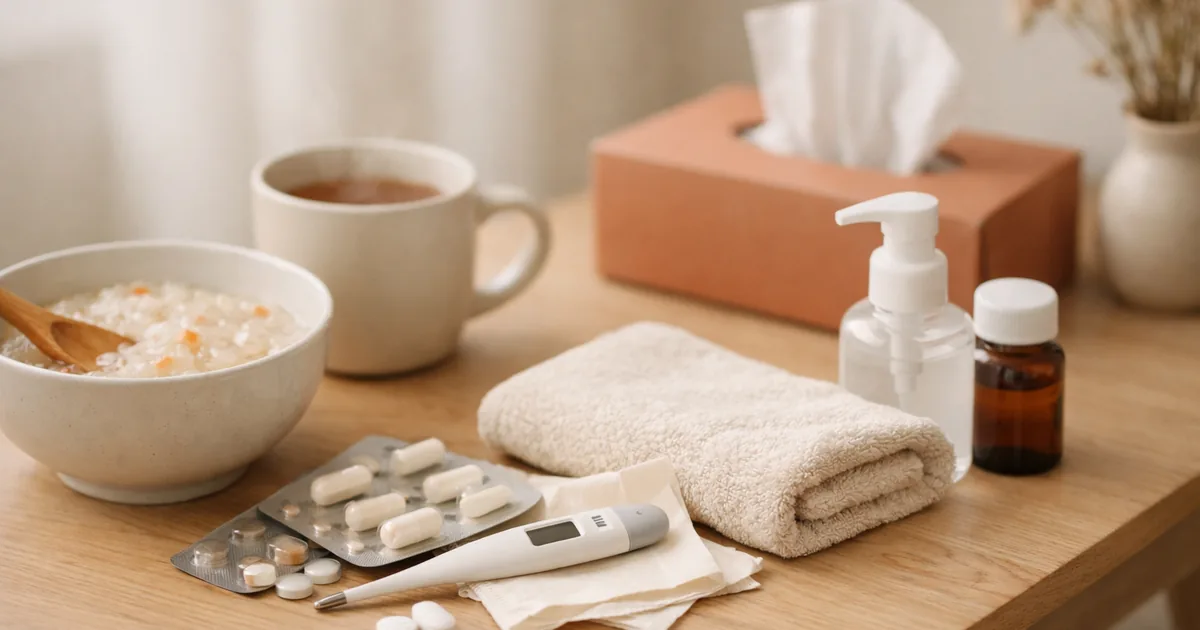
Norovirus Incubation and Symptoms — CDC: Starts 12 to 48 Hours After Exposure, Over in 1 to 3 Days, Contagious for 2 Weeks or More
The CDC describes norovirus as a very contagious virus causing vomiting and diarrhea. Symptoms start 12 to 48 hours after exposure and most people recover within 1 to 3 days, but you can spread it for 2 weeks or more, so stay home for 2 days (48 hours) after symptoms stop and wash hands with soap and water for at least 20 seconds.
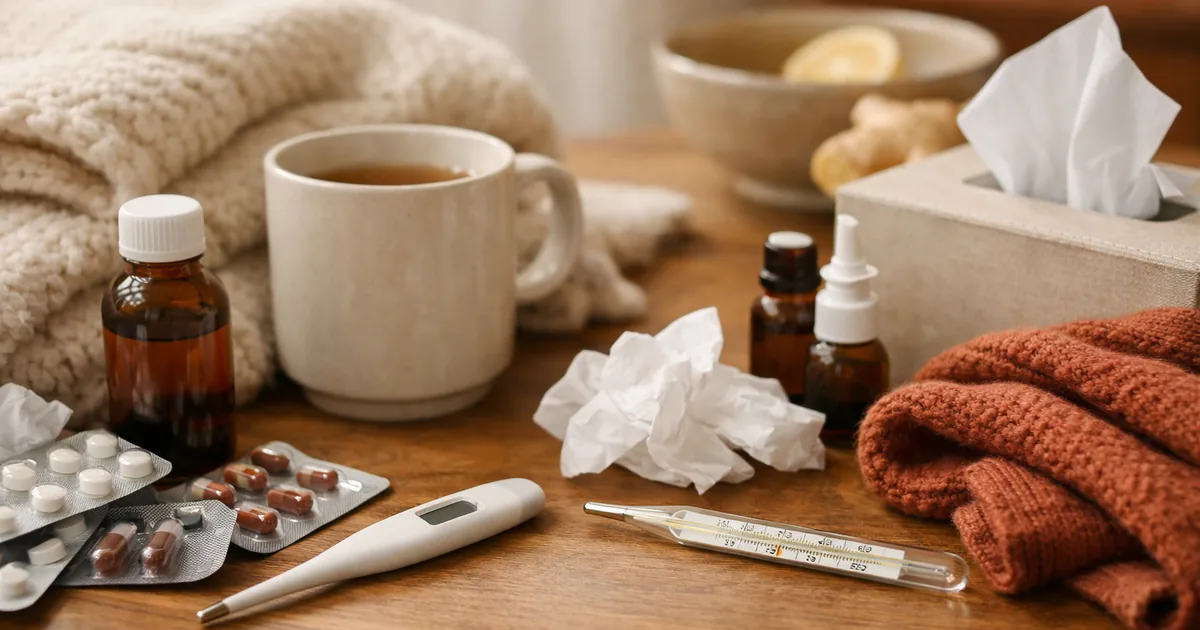
Cold or Flu — CDC: Colds Come On Gradually, Flu Abruptly; Flu Fever Lasts 3 to 4 Days, but Not Everyone Has One
The CDC compares a cold, which starts gradually, with flu, which starts abruptly; fever is rare with a cold but common with flu and lasts 3 to 4 days. Not everyone with flu has a fever, and shortness of breath, chest pain, or fever or cough that improves then worsens need care right away.

Handwashing for 20 Seconds — CDC: Happy Birthday Twice, Five Steps, and Sanitizer With at Least 60% Alcohol
The US CDC says to scrub with soap for at least 20 seconds, timed by humming Happy Birthday from beginning to end twice. There are five steps — wet, lather, scrub, rinse, dry — and when soap and water are not available, use hand sanitizer with at least 60% alcohol.
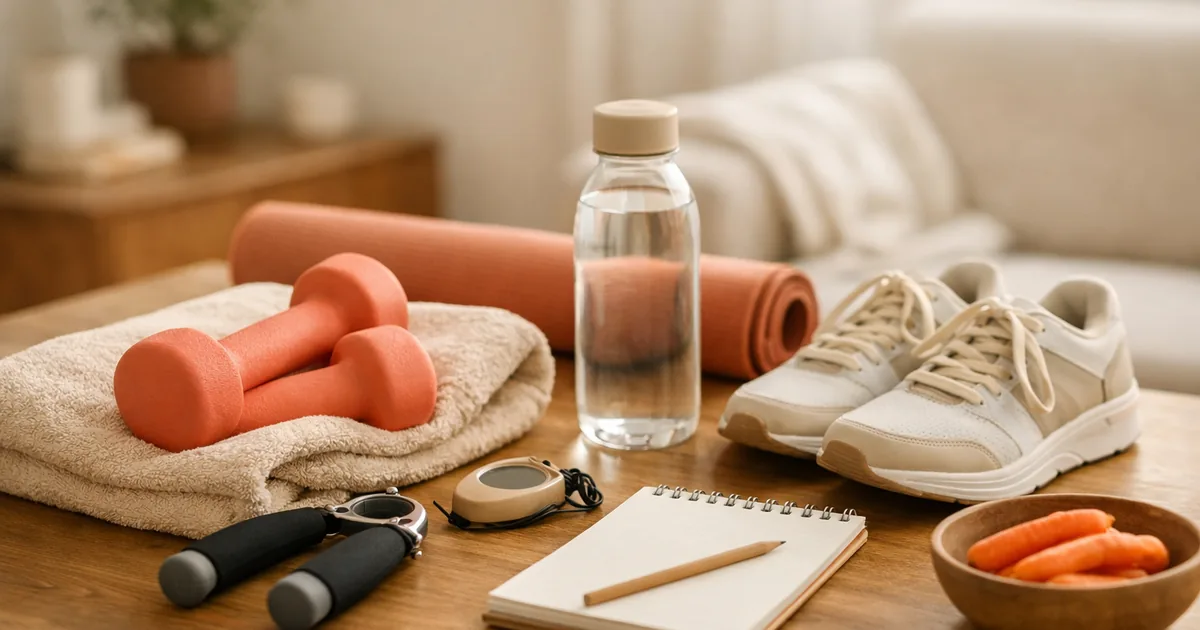
Should You Exercise With Arthritis — CDC: 150 Minutes and 2 Days of Strength Work, Start From 5 Minutes, Some Pain at First Is Normal
The CDC says physical activity is safe for people with arthritis and reduces pain. The amounts match other adults: 150 minutes a week of moderate aerobic activity and strength work on 2 days, and 5 or 10 minutes at a time counts. It recommends joint-friendly activities such as walking, cycling, swimming and tai chi.
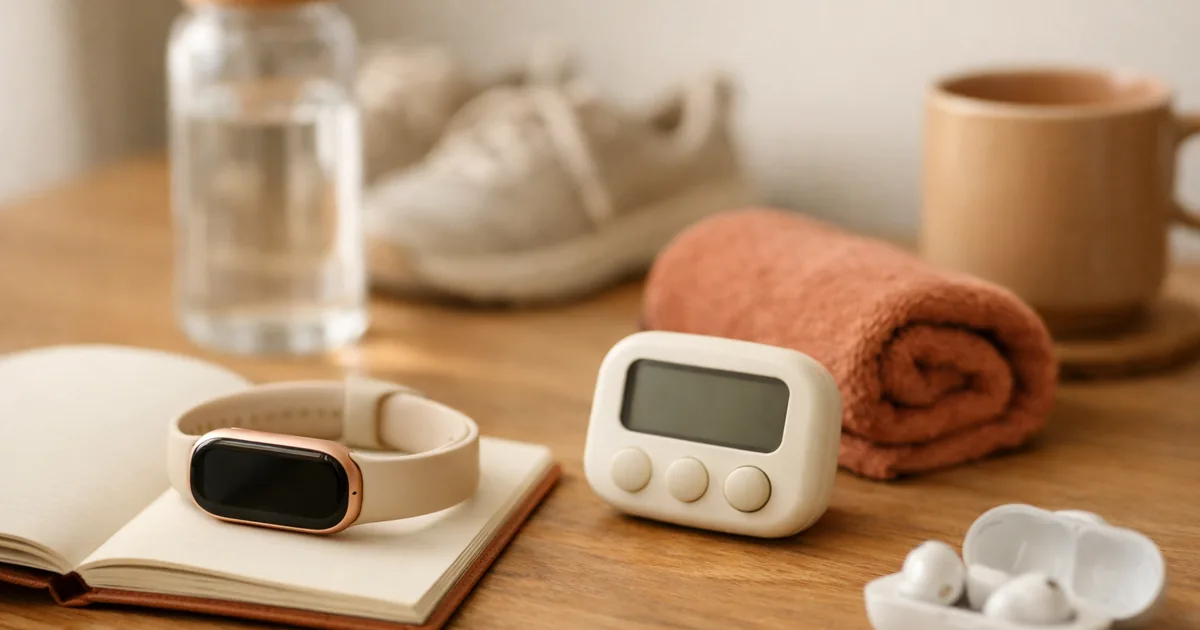
Ten Thousand Steps — The Guidance Is Written in 150 Minutes, Not Steps
You can hit ten thousand steps with intensity and strength still empty. Moderate means you can talk but not sing — walking, that's 2.5 mph or faster.

How Much Sleep Do Adults Need? 7 or More Hours — Koreans Average 7h 45m on Weekdays
The CDC adult row reads “7 or more hours.” Koreans sleep 7h 45m on weekdays — 45 minutes above that floor.

Heart Attack Warning Signs — One in Five Sends No Signal
94.9% of U.S. adults know to call 9-1-1. Exactly 50.2% can name all five symptoms.

Sick or Injured Abroad — Two Korean Helplines to Save, One With an Emergency Physician 24 Hours, and What to Sort Out First (2026)
+82-44-320-0119 reaches a Korean emergency physician, in Korean, around the clock. Whether your medicines are allowed in is something only checkable before you go.
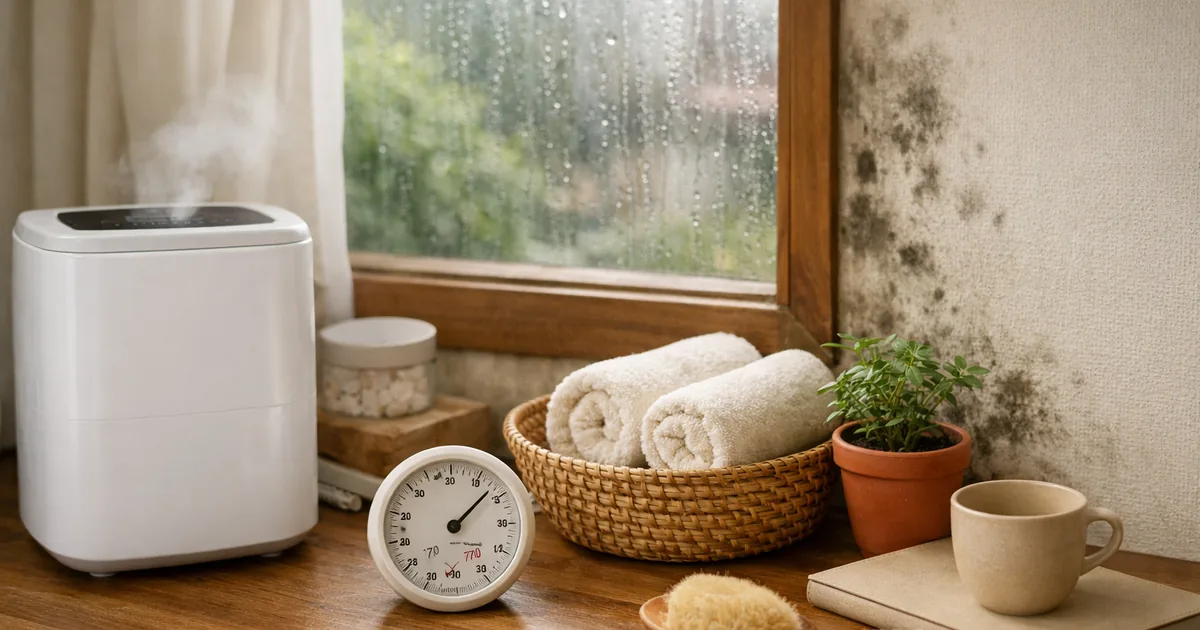
Monsoon Mold — CDC Does Not Recommend Mold Testing
Because no acceptable-amount standard exists, a result informs no decision. Two numbers remain: under 50% all day, and dry within 24-48 hours.