#First Aid
Related posts · 10 posts
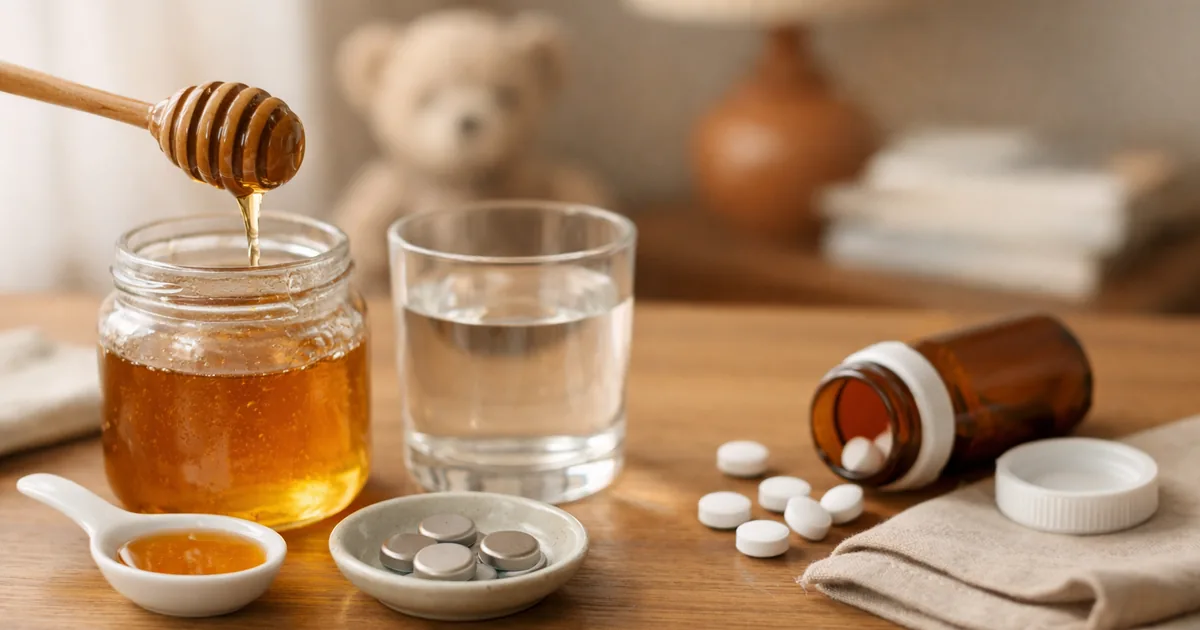
If a Child Swallows a Button Battery — Damage Within 2 Hours, Straight to the ER, 10 mL Honey Every 10 Minutes (CPSC)
A swallowed button battery can burn through a child's oesophagus in as little as two hours, so go straight to the ER. For children 12 months or older within 12 hours, give 10 mL of honey every 10 minutes on the way, up to six doses. The US recorded 27 deaths in 2011–2021.
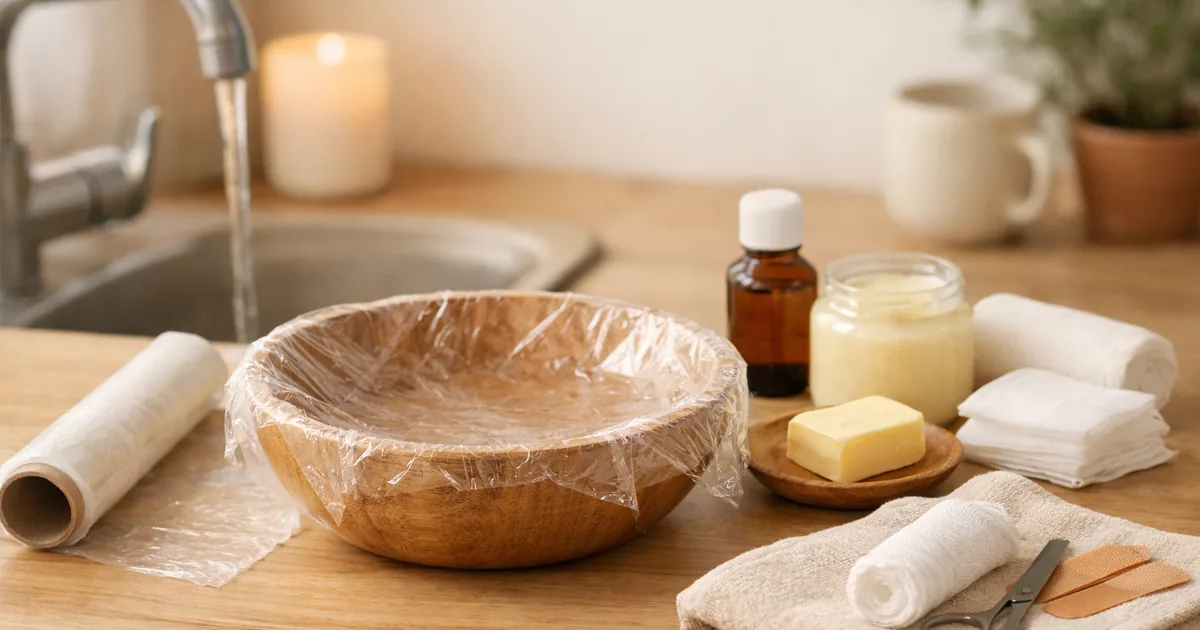
Burns and Scalds — NHS: Cool Running Water for 20 Minutes Within 3 Hours, Cling Film, No Butter or Creams
The NHS says to cool a burn or scald under cool running water for 20 minutes, as soon as possible and within 3 hours, then cover it with cling film without wrapping. Don't use creams, oils, butter or plasters, don't burst blisters, and go to A&E for large or deep burns, burns on the face or genitals, and chemical or electrical burns.
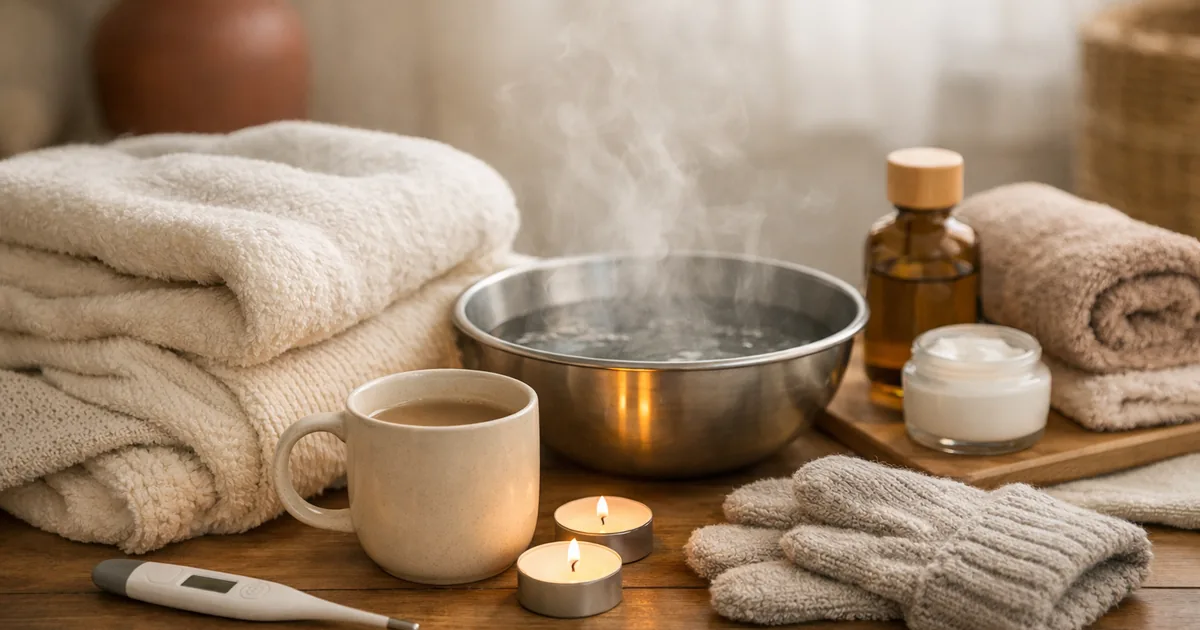
Hypothermia — NHS: Below 35C Is an Emergency; Remove Wet Clothes, Wrap the Head, No Hot Bath or Rubbing
The NHS defines hypothermia as a drop in body temperature below 35C and treats it as a medical emergency. Move the person indoors, remove wet clothing and wrap them up including the head; don't use a hot bath, hot water bottle or heat lamp, rub their limbs or give alcohol. Older people living alone are particularly at risk.
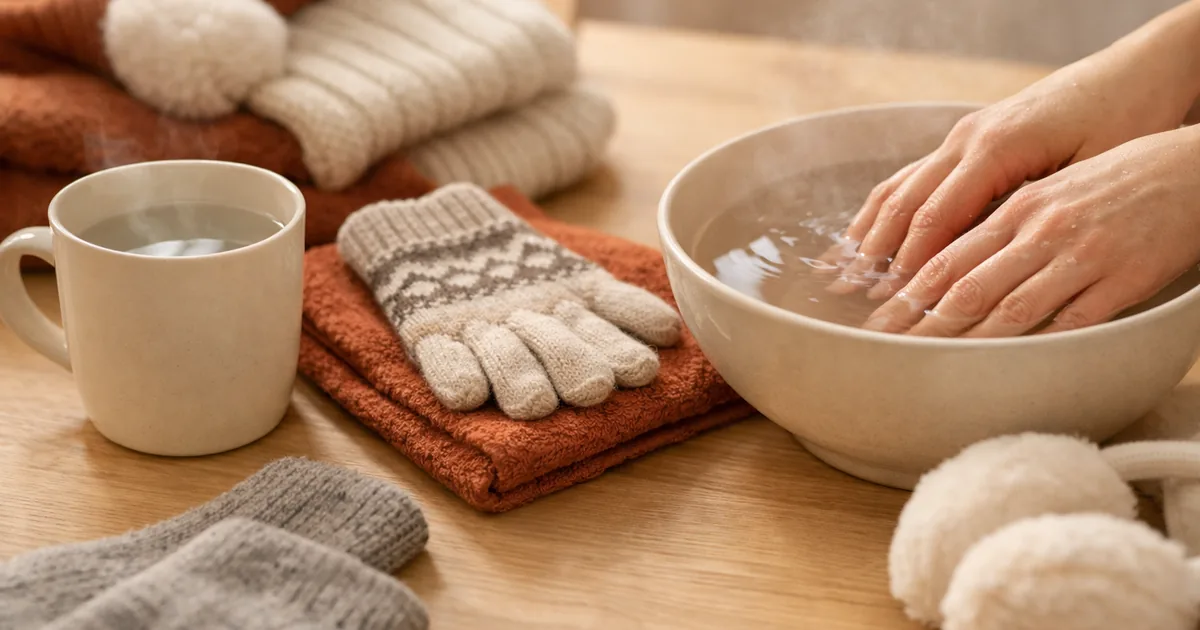
Frostbite — NHS: At 0C or Below, Fingers, Toes, Nose and Ears; Warm, Not Hot, Water and No Rubbing
The NHS says frostbite can happen at 0C (32F) or below and most often affects fingers, toes, nose and ears. Remove tight items, warm the area in warm (not hot) water and raise it; don't rub it, use a fire, radiator or hot water bottle, have a hot bath or drink alcohol. Go to A&E for frozen skin, loss of feeling or blisters.
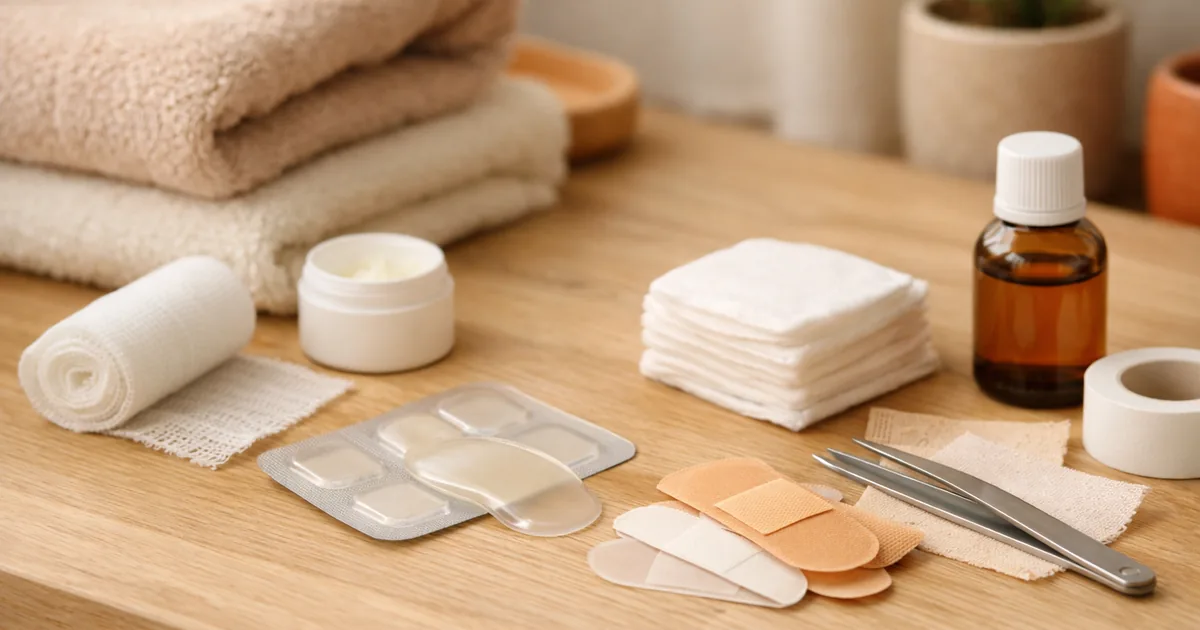
Should You Pop a Blister — NHS: Don't Burst It, Cover It, Leave the Skin On, Usually a Week
The NHS says blisters often heal on their own within a week, and says not to burst them but to cover them with a soft plaster or padded dressing. If one bursts, leave the skin on, let it drain and cover it; a hot blister with green or yellow pus is infected and should not be ignored.
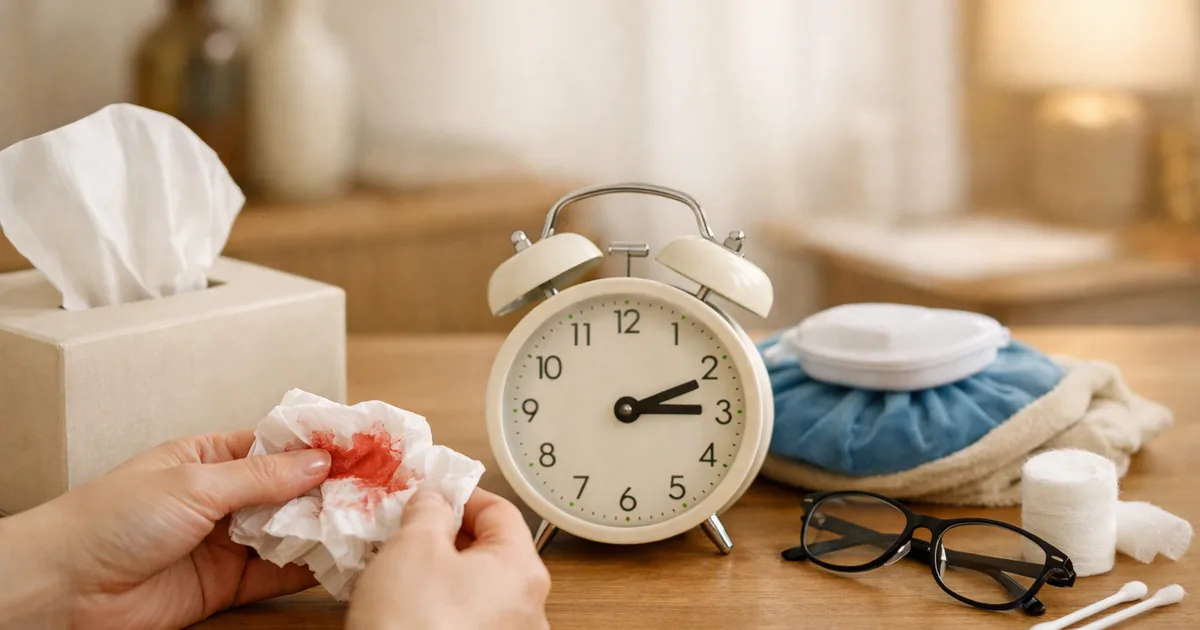
How to Stop a Nosebleed — NHS: Lean Forward, Pinch 10 to 15 Minutes, A&E If Longer, Take Care for 24 Hours
The NHS says to sit down, lean forward, breathe through your mouth and pinch just above the nostrils for 10 to 15 minutes. Go to A&E if it lasts longer than 10 to 15 minutes or follows a blow to the head, and for 24 hours afterwards avoid blowing your nose, hot drinks, alcohol and strenuous exercise.
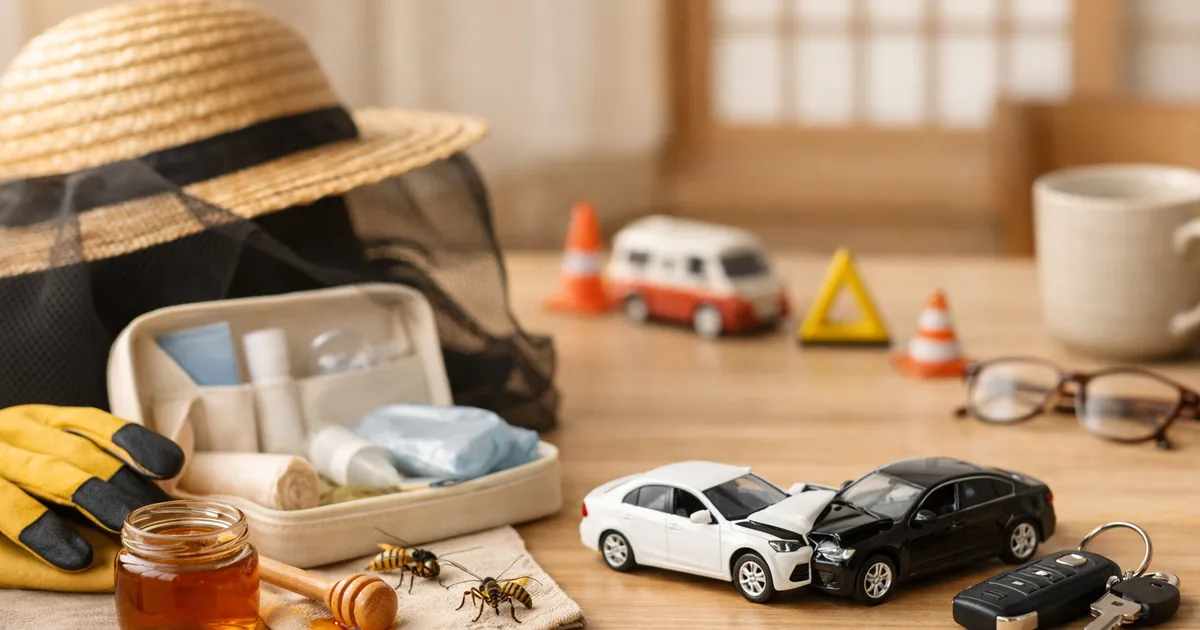
Chuseok Safety — 1,474 Bee Stings, and 12,038 Road Injuries in the Same Tables
Korean holiday notices lead with bees and snakes. The same fire service tables carry a number eight times larger — and because the holiday runs 4 to 6 days, the yearly totals do not compare.
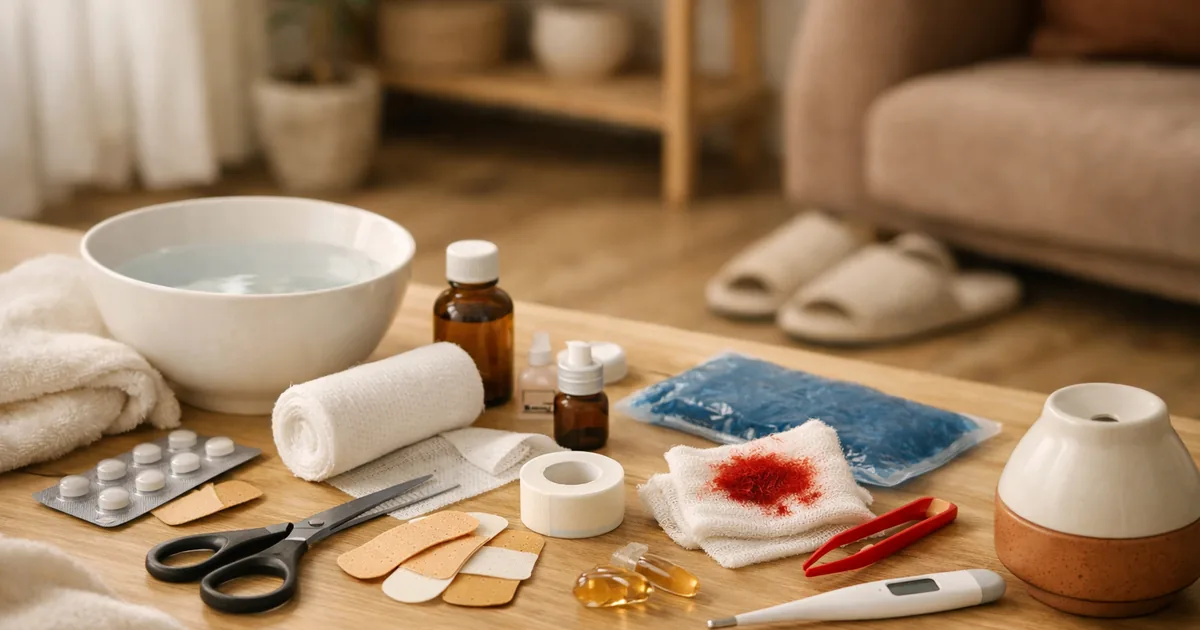
Home Emergencies: What to Do (and What Never to Do)
Burns, bleeding, sprains — plus the quietest danger at home, and one CDC figure that does not add up.
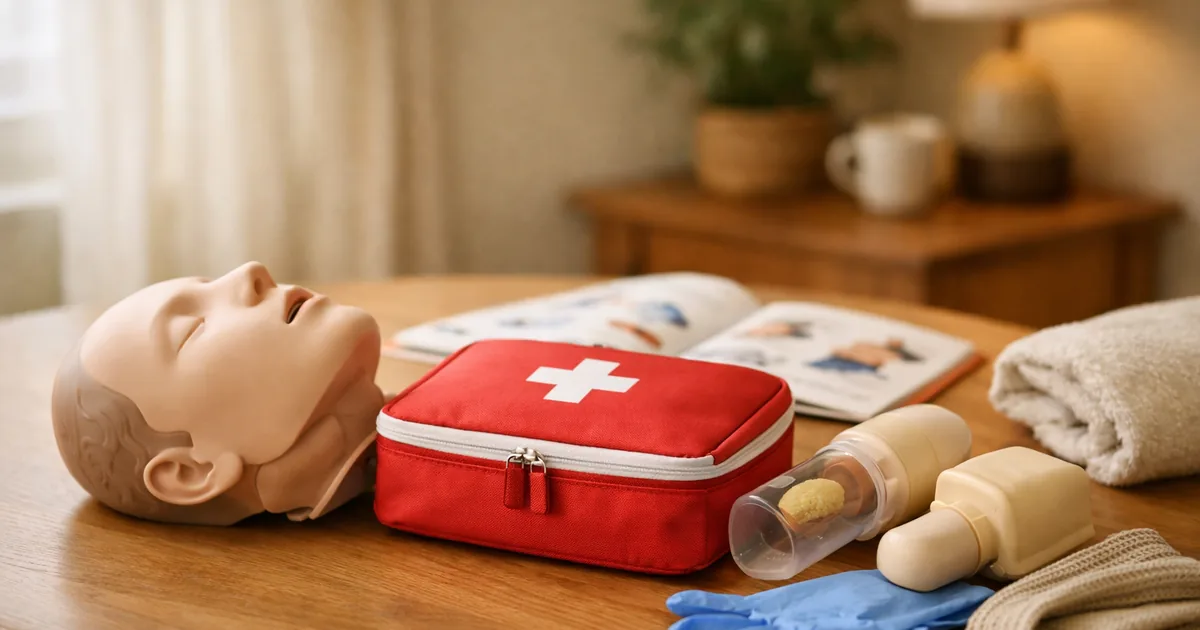
CPR in 6 Steps — 100–120 Compressions a Minute, About 5 cm Deep, the AED, and 5 Back Blows Alternating with 5 Abdominal Thrusts for Choking
Survival was 14.4% when a bystander acted and 6.1% when none did. And the agency page opened this time, so we could read what the survey counts.
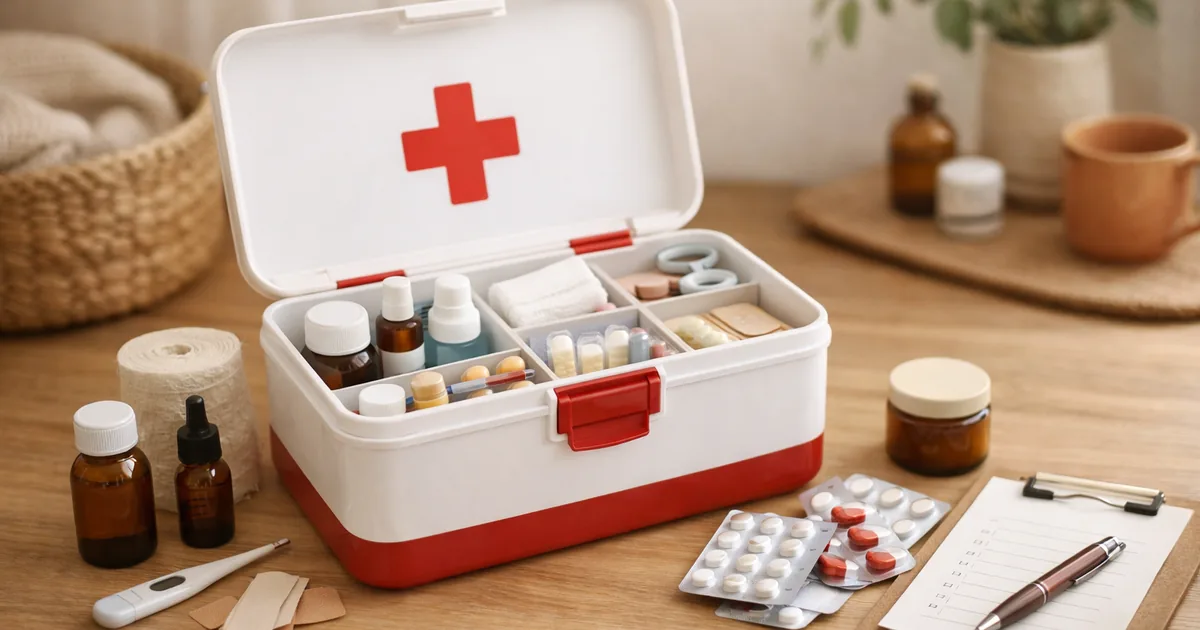
The Home First-Aid Kit — Convenience-Store Medicine Is the Exception, Not the Rule
Counting the agency's own kit list gives 26 items. And the Act itself explains why the convenience-store selection can never exceed twenty.