Health
Evidence-based health tips
Health
138 posts
Pleurisy — NHS: Symptoms and Treatment, Sharp Chest Pain When Breathing In, Usually Better in a Few Days, 999 for Sudden Chest Pain Lasting 15 Minutes
The NHS describes pleurisy as inflammation of the lining around the lungs. The main symptom is sharp chest pain when breathing in; it usually gets better in a few days, but sudden chest pain lasting 15 minutes or more could be a heart attack or a pulmonary embolism, so call 999.
Labyrinthitis and Vestibular Neuritis — NHS: Vertigo Symptoms and Treatment, Balance Back in 2 to 6 Weeks, Medicines for No More Than 3 Days
The NHS describes labyrinthitis and vestibular neuritis as inner ear infections that affect balance. They cause spinning dizziness and sickness; hearing loss points to labyrinthitis. Balance usually returns in 2 to 6 weeks, and dizziness medicines are taken for no more than 3 days.
Ear Infections — NHS: Symptoms and Treatment, Often Better Within 3 Days, Pharmacist for Ages 1 to 17, GP for Babies Under 12 Months
The NHS says ear infections are very common, particularly in children, and often get better on their own within 3 days. Children aged 1 to 17 can see a pharmacist; babies under 12 months and earache past 3 days need a GP, and fever, swelling, discharge or hearing change need urgent help.
Flu Symptoms — NHS: Sudden Onset Within Hours, Treatment at Home, Get Help If No Better After 7 Days
The NHS says flu comes on within a few hours with a sudden high temperature, aches and a dry cough, while a cold builds over 1 to 2 days. Rest and drink fluids; get help if no better after 7 days, or if you are 65 or over or pregnant.
RSV Vaccine — NHS: Pregnancy From 28 Weeks, Adults 75 and Over, One Dose, Side Effects
The NHS offers the RSV vaccine from 28 weeks of pregnancy in every pregnancy, and 1 dose to adults 75 and over. Vaccination in pregnancy protects the baby for the first 6 months; people aged 65 to 74 qualify with a weakened immune system or a long-term lung condition.
Pneumococcal Vaccine — NHS: Who Should Have It, 1 Dose at 65, Babies at 16 Weeks and 1 Year, Side Effects
The NHS says the pneumococcal vaccine helps protect against pneumonia, meningitis and sepsis. Babies have it at 16 weeks and 1 year, adults at 65 have 1 dose, and higher-risk people at least 1. Some protection starts after about 2 to 3 weeks.
Whooping Cough — Minutes-Long Coughing Bouts, Antibiotics Within 3 Weeks, 48 Hours Off, Vaccine at 20 Weeks of Pregnancy (NHS)
Whooping cough starts like a cold, then from about a week brings minutes-long coughing bouts and a whoop, with a cough lasting weeks or months. Diagnosed within 3 weeks, antibiotics are given and you stay off school or work for 48 hours after starting (3 weeks without). A baby under 6 months with symptoms needs urgent help.
Scarlet Fever — Sandpaper Rash 12 to 48 Hours Later, Back 24 Hours After the First Antibiotic (NHS)
Scarlet fever brings a high temperature, sore throat and swollen neck glands, then 12 to 48 hours later a rough, sandpaper-like rash from the chest and tummy and a strawberry tongue. Stay off nursery, school or work until 24 hours after the first antibiotic dose; untreated, it's infectious for 2 to 3 weeks.
Bronchitis — Usually Better in 3 Weeks; a Cough Past 3 Weeks or Blood in Mucus Needs Urgent Help (NHS)
Bronchitis is inflammation of the lungs' airways, usually from an infection, with a cough that may bring up mucus, chest pain and breathlessness, usually better within about 3 weeks. A cough past 3 weeks that isn't improving, blood in mucus, or being over 65, pregnant or having a long-term condition means urgent help.
Kidney Stones — Side-to-Groin Pain, Urgent Help If Symptoms, 2.5–3 Litres of Water a Day (NHS)
The NHS says waves of pain from the side or lower back to the groin may be kidney stones, and symptoms need urgent help. Most pass over a few weeks; prevention means 2.5 to 3 litres of water and under 6g of salt a day.
Irritable Bowel Syndrome (IBS) — Pain Worse After Eating and Better After a Poo, GP After 4 Weeks, 1.5 Litres of Fluid (NHS)
The NHS says tummy pain that's worse after eating and eases after a poo, with bloating, diarrhoea or constipation, may be IBS; see a GP after 4 weeks. Drink about 1.5 litres, keep fruit to 3 portions and caffeine to 3 drinks; bleeding or weight loss is urgent.
Migraine — Attacks Last 4 Hours to 3 Days, Aura Within 1 Hour, Painkillers No More Than 2 Days a Week (NHS)
The NHS says migraine attacks usually last 4 hours to 3 days and aura shouldn't exceed 1 hour; take painkillers at the start but not on more than 2 days a week. Attacks over 72 hours need urgent help; a sudden extreme headache or weakness is an emergency.
Tennis Elbow — Outer Elbow Pain, GP After 2 Weeks, Physio at 6 Weeks, Most Common at 35–54 (NHS)
The NHS says tennis elbow is inflamed elbow tendons from repeated gripping and twisting such as typing, mouse use or manual tasks. It usually improves with a few weeks' rest; see a GP after 2 weeks, physiotherapy after 6.
Plantar Fasciitis — Heel Pain on First Steps, Ice 20 Minutes Every 2–3 Hours, See a GP After 2 Weeks (NHS)
The NHS says heel pain much worse on first steps after sleep or rest that eases with movement is likely plantar fasciitis. Ice up to 20 minutes every 2 to 3 hours, cushioned shoes, stretches; see a GP if no better after 2 weeks.
Gout — Sudden Big-Toe Pain, Attacks Last 1–2 Weeks, Ice 20 Minutes, 14 Units a Week or Less (NHS)
The NHS describes gout as arthritis from too much uric acid forming crystals in joints. Untreated, attacks usually last 1 to 2 weeks; take medicine straight away, ice up to 20 minutes, and keep to 14 units of alcohol a week or less.
Atopic Eczema — Emollients at Least Twice a Day, Rub Don't Scratch, Urgent Help for Blisters, Pus or Fever (NHS)
The NHS says atopic eczema usually starts in childhood and tends to improve with age; there's no cure but it can be managed. Use emollients at least twice a day, even when skin improves, and wash with an emollient instead of soap.

Cystitis and UTIs — Antibiotics Aren't Always Needed; 65+, Men, Pregnancy or Blood in Urine Need Urgent Care; No Evidence for Cranberry as Treatment (NHS)
The NHS says antibiotics aren't always needed for UTIs and waiting 48 hours is an option. People 65 or over, children 15 or under, men, diabetes, pregnancy, back pain under the ribs, blood in urine or no improvement in 48 hours need an urgent appointment; cranberry drinks don't treat an active infection.
Piles (Haemorrhoids) — Often Better in a Few Days; No Ibuprofen If Bleeding; Non-Stop Bleeding Means 999 (NHS)
The NHS says piles often get better on their own within a few days. Keep stools soft with fluids and fibre, don't strain, avoid ibuprofen if bleeding and codeine, which causes constipation. Non-stop or heavy bleeding, large clots or severe pain need A&E.
Tinnitus — NHS: Usually Not Serious; Avoid Total Silence
The NHS says tinnitus is not usually a sign of anything serious and may get better by itself. Avoid total silence and don’t focus on it; see a GP if it’s constant or affecting sleep, get an urgent appointment if it beats with your pulse, and call 999 after a head injury or with sudden hearing loss.

Restless Legs Syndrome — NHS: No Caffeine After Midday, No Alcohol 2 Hours Before Bed
The NHS says restless legs syndrome causes a strong need to move your legs with uncomfortable feelings, usually worse at night when resting. Keep the same sleep times, exercise in the day, avoid caffeine after midday, alcohol 2 hours before bed and naps, and see a GP if it stops you sleeping.
Stomach Ache — NHS: Most Pass in a Few Days; Sudden or Severe Pain Means 999
The NHS says most stomach aches aren’t serious and go away after a few days, and says not to self-diagnose. Get urgent help if it gets much worse, keeps coming back or you’re pregnant; call 999 if it came on suddenly or is severe, hurts to touch, you’re vomiting blood or can’t pee, poo or fart.
Indigestion — NHS: Don’t Eat 3 to 4 Hours Before Bed; See a GP If It Keeps Coming Back
The NHS says indigestion is usually not a sign of anything serious and you can treat it yourself. Cut down tea, coffee, cola and alcohol, raise your head in bed and don’t eat 3 to 4 hours before bed; see a GP if you keep getting it, are in severe pain or lose weight.
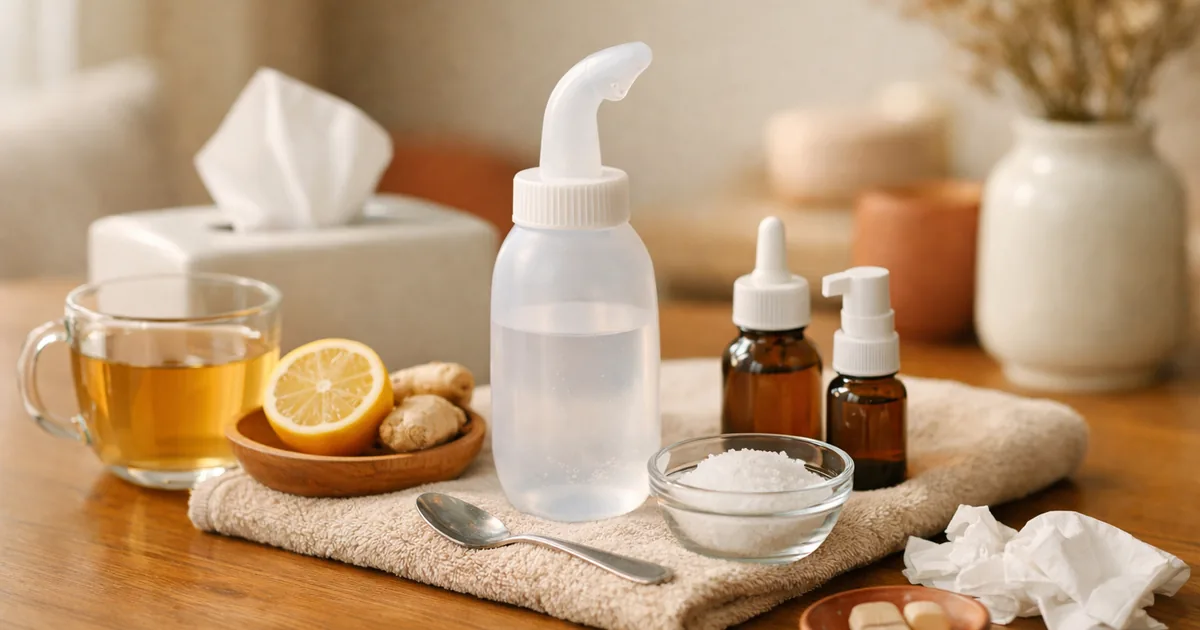
Catarrh — NHS: Usually a Few Days; Salt Water Nose Rinses Up to 3 Times a Day
The NHS says catarrh is your body’s natural reaction to things like infection and symptoms usually last only a few days. Drink plenty of water, sip ice-cold water, try a humidifier and salt water gargles and nose rinses; see a GP if it lasts more than a few weeks or you get new symptoms.
Glandular Fever — NHS: Better Within 2 to 4 Weeks; No Strenuous Exercise
The NHS says glandular fever is most common at 15 to 24 and you should start to feel better within 2 to 4 weeks, though tiredness can last months. It spreads in spit, so avoid kissing and sharing cups or cutlery, don’t do heavy lifting or sport, and call 999 if you can’t swallow your spit, have severe breathing difficulty or severe stomach pain.
Threadworms — NHS: Treat the Whole Household; Hygiene Steps for 2 Weeks With Medicine
The NHS says threadworms cause extreme itching around the anus, particularly at night. Treat everyone aged 2 and over in the household with pharmacy mebendazole, follow hygiene steps for 2 weeks with medicine or 6 weeks without, and there’s no need to stay off school or nursery.
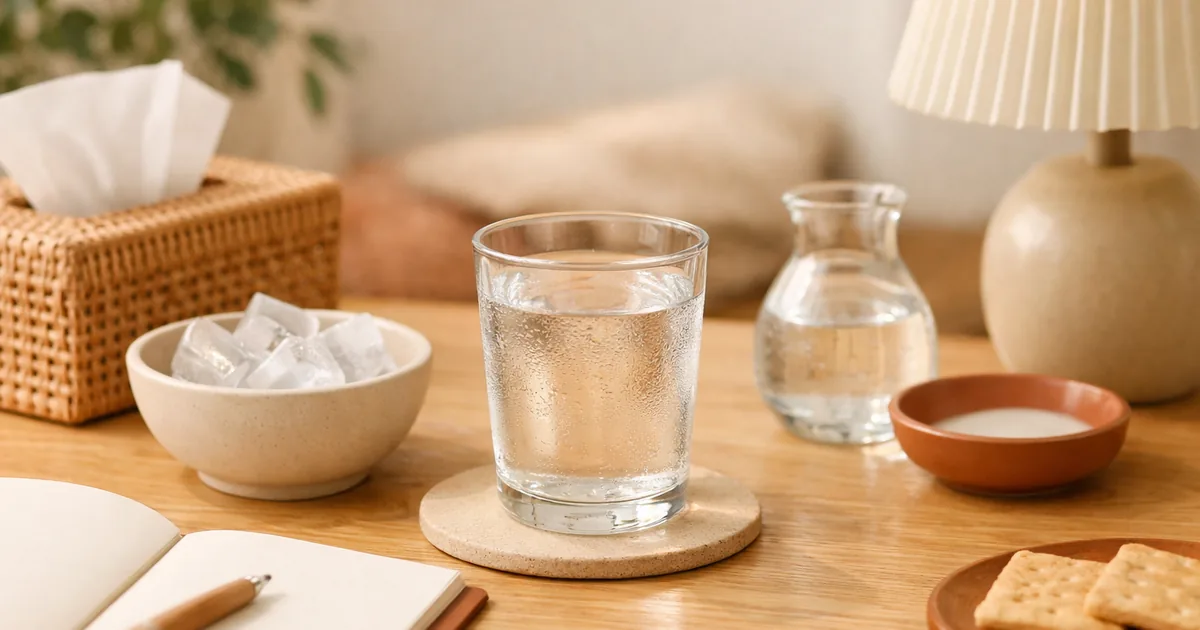
Dry Mouth — NHS: Rarely Serious; Take Regular Sips of Cold Water
The NHS says a dry mouth is rarely a sign of anything serious, and suggests regular sips of cold water, ice, sugar-free gum and brushing twice a day. See a GP if it makes talking or eating difficult, it’s still dry after a few weeks, or your mouth is painful, swollen or bleeding.
Swollen Glands — NHS: Usually 1 to 2 Weeks; See a GP If Not Down After 1 Week
The NHS says swollen glands are usually a sign the body is fighting an infection, and if so they usually get better within 1 to 2 weeks. See a GP if they’re getting bigger or haven’t gone down within 1 week, feel hard or fixed, or you have night sweats; get urgent help if it’s very hard to swallow or breathe.
Shingles — NHS: A Rash on One Side; Antivirals Within 3 Days
The NHS says the shingles rash appears on one side of the body only and can take up to 4 weeks to heal. Antiviral medicine needs to start within 3 days of the rash first appearing; get urgent help if you’re pregnant, the rash is on your eye or nose, or your vision changes.
Hand, Foot and Mouth Disease — NHS: Usually 7 to 10 Days; No Need to Wait for Blisters to Heal
The NHS says hand, foot and mouth disease is a common childhood illness that can also affect adults and usually gets better on its own in 7 to 10 days. Medicines can’t cure it, so use cool drinks, soft foods and painkillers; stay off only while too unwell, and get urgent help if a child is peeing less or has a very high temperature.
Insect Bites and Stings — NHS: Scrape a Stinger With a Fingernail, Lift a Tick With Fine Tweezers
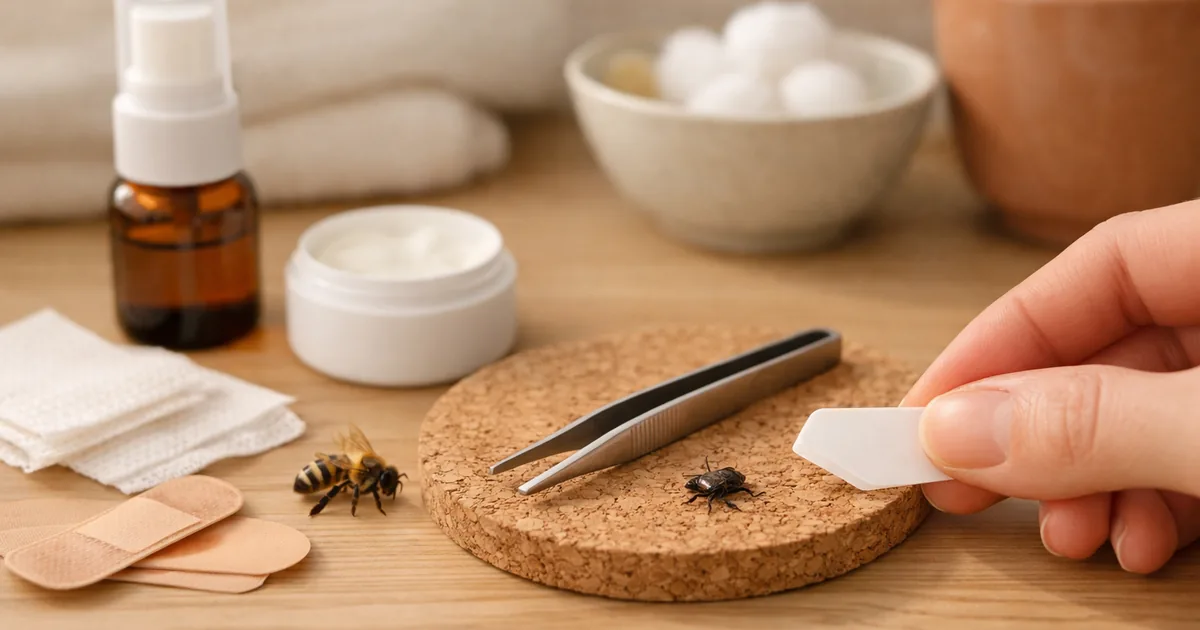
The NHS says insect bites and stings should get better in a few days. Scrape a stinger out sideways with a fingernail (not tweezers), wash it, ice it for at least 20 minutes if swollen, and don’t scratch. Get urgent help if stung in the mouth, throat or near the eyes or more than once; call 999 for swollen lips, tongue or throat or trouble breathing.
Hives — NHS: Usually Better in a Few Days; Get Seen If No Better After 2 Days
The NHS says hives usually get better within a few days and you can often treat them yourself. Ask a pharmacist about antihistamines and try to find your triggers; get an urgent GP appointment or use 111 if they don’t improve after 2 days or are spreading, and call 999 if your lips, throat or tongue swell or you struggle to breathe.
Bloating — NHS: Eat Smaller Meals More Often; See a GP If It Keeps Happening
The NHS names a lot of gas in your gut as a common cause of bloating and suggests regular exercise, chewing with your mouth closed, plenty of water and smaller, more frequent meals. See a GP if you feel bloated regularly, lose weight or have blood in your poo; call 999 for a sudden severe stomach ache or vomiting blood.
Chickenpox — NHS: Usually 1 to 2 Weeks; Stay Off Until Every Spot Has Scabbed
The NHS says chickenpox usually gets better on its own after 1 to 2 weeks, and is infectious from 2 days before the spots appear until they have all scabbed (usually 5 days). Stay off school, nursery or work until then, don’t use ibuprofen unless a doctor says so, and use 111 if the skin around the blisters is red, hot or painful.
Chest Infection — NHS: Usually 7 to 10 Days, but the Cough Can Last Up to 3 Weeks
The NHS says chest infections often follow colds or flu and usually get better on their own in about 7 to 10 days, though the cough and mucus can last up to 3 weeks. Rest, drink lots of water and raise your head with pillows; see a GP if you cough up blood, the cough lasts over 3 weeks, or you get worse.
Conjunctivitis — NHS: Usually Clears in a Couple of Weeks; See a GP If Not Better in 7 Days
The NHS says conjunctivitis usually gets better in a couple of weeks without treatment. Clean your eyelids with cooled boiled water and don’t wear contact lenses until it’s better; see a GP if it hasn’t cleared within 7 days, and get urgent help for eye pain, light sensitivity, vision changes or very red eyes.
Fungal Nail Infection — NHS: 6 to 12 Months of Treatment; Cured When Healthy Nail Grows Back
The NHS says fungal nail infections are not serious but can take a long time to treat. Pharmacy antifungal nail medicine needs to be used for 6 to 12 months, and the infection is cured when healthy nail grows back at the base. See a GP if treatment hasn’t worked, it spreads, or you have diabetes or a weakened immune system.
Neck Pain — NHS: Most of It Lasts a Few Weeks; a Collar Only If a Doctor Says So
The NHS says most neck pain only lasts a few weeks and suggests painkillers, a low firm pillow, heat or cold packs and neck exercises. Wear a collar only if a doctor advises it; see a GP if it isn’t gone after a few weeks or comes with pins and needles or a cold arm.
Shoulder Pain — NHS: It Should Start to Improve in About 2 Weeks; Keep It Moving Gently
The NHS says shoulder pain should start to improve after about 2 weeks of self-care, though full recovery can take 6 months or longer. Keep moving it gently rather than resting it completely; see a GP if it’s no better after 2 weeks, and get urgent help for sudden or severe pain, not being able to move your arm, or pain after an injury.
Knee Pain — NHS: You Should Feel Better in a Few Days; Ice Up to 20 Minutes Every 2 to 3 Hours
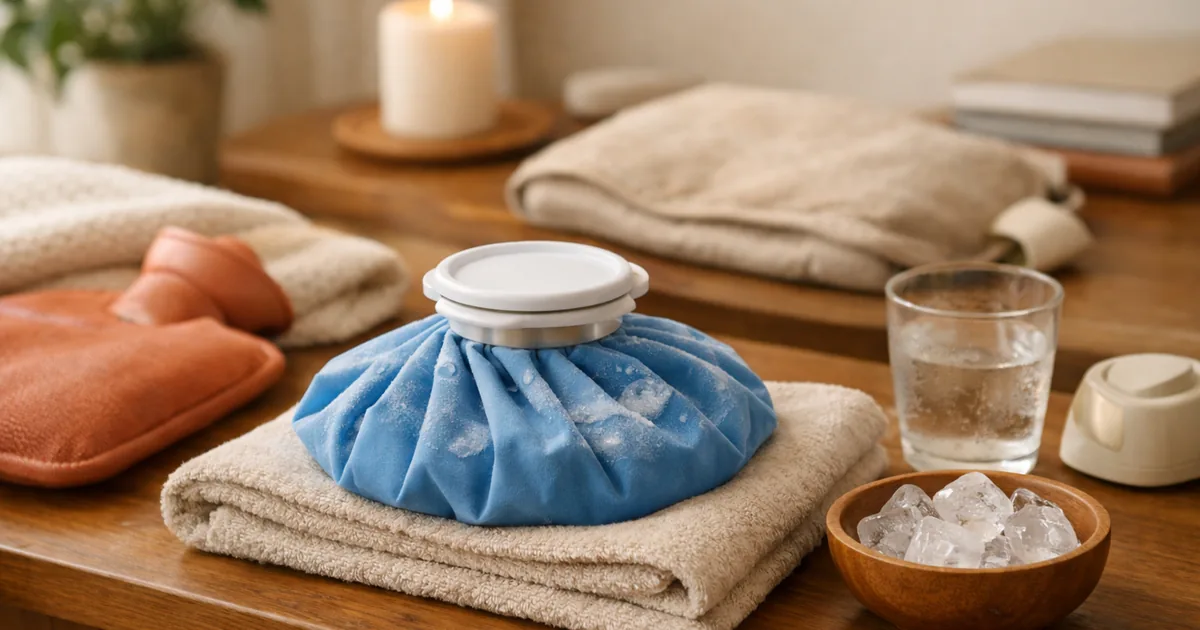
The NHS says knee pain can often be treated at home and you should start to feel better in a few days. Put less weight on it, use an ice pack for up to 20 minutes every 2 to 3 hours and take painkillers; see a GP if it doesn’t improve within a few weeks, and call 111 if it’s very painful, can’t take weight, locks or gives way.
Croup — NHS: Usually Better Within 48 Hours; Sit Them Upright and Calm Them; No Steam
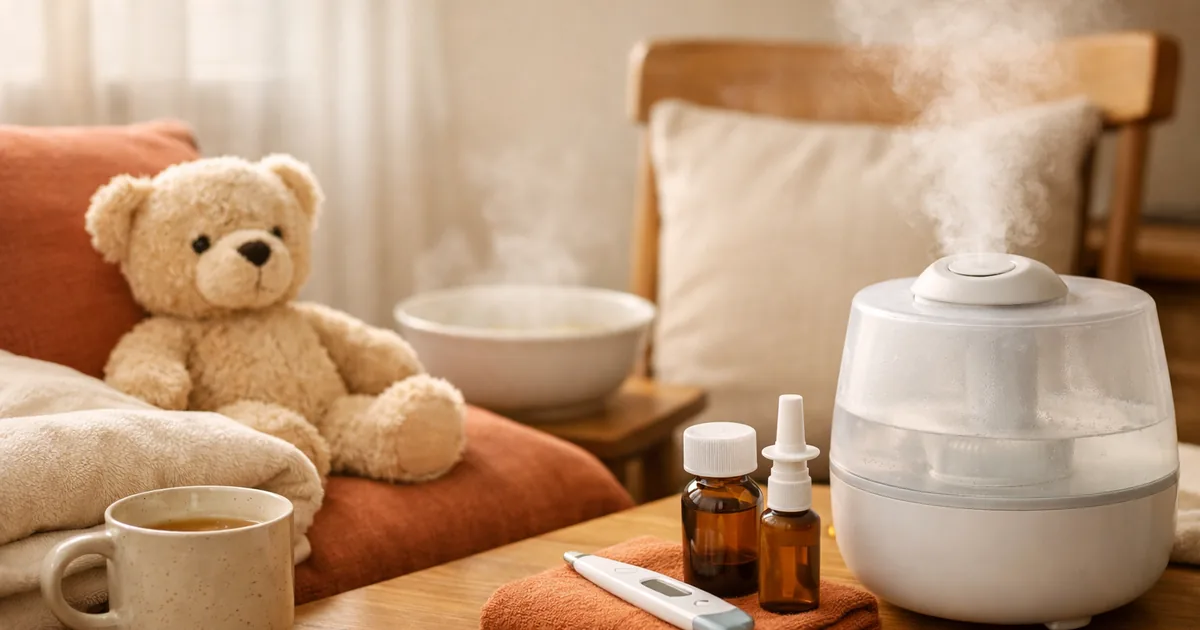
The NHS describes croup as a common condition affecting babies' and young children's airways: after a cold come a barking cough, hoarse voice and rasping sound when breathing in, often worse at night, usually better within 48 hours. Sit them upright and calm them but don't use steam; get a doctor to check croup, and call 999 for breathing difficulty.
Tonsillitis — NHS: Usually 3 to 4 Days, Not Contagious Itself; GP After 1 Week, A&E If You Can't Open Your Mouth
The NHS says tonsillitis symptoms usually go after 3 to 4 days; tonsillitis itself isn't contagious, though most infections that cause it are. Rest, drink cool drinks, take painkillers and gargle salt water; see a GP after 1 week, call 111 for pus or trouble eating, and go to A&E if breathing, swallowing or opening your mouth is difficult.
Laryngitis — NHS: Usually 1 to 2 Weeks; Don't Shout or Whisper; GP If No Better After 2 Weeks
The NHS describes laryngitis as irritated or swollen vocal cords that start suddenly, get worse over the first 3 days and usually go within 1 to 2 weeks. Speak as little as possible and drink plenty, but don't talk loudly or whisper, since both strain your voice; see a GP if there's no improvement after 2 weeks.
Pneumonia Symptoms — NHS: Most Better in 2 to 4 Weeks, No Cough Medicine, Call If No Better After 2 to 3 Days of Antibiotics, Pneumococcal and Flu Vaccines Over 65
The NHS describes pneumonia as inflammation of the lungs, usually from an infection, with cough, breathlessness, fever and chest pain that start suddenly or over a few days; most people get better in 2 to 4 weeks. Rest and drink fluids but don't take cough medicine, and contact your doctor if antibiotics haven't helped after 2 to 3 days.
Bronchiolitis — NHS: Common Under 2, Worst on Days 3 to 5, Cough Lasts 3 Weeks; Call 999 for Pauses in Breathing
The NHS describes bronchiolitis as a common chest infection in babies and children under 2. It starts like a cold, is usually worst on days 3 to 5, and the cough usually gets better in 3 weeks. It's usually caused by RSV; babies under 6 months are at higher risk, and difficulty breathing, pauses in breathing or blue lips need 999.

Raynaud's — NHS: Fingers Turn White, Blue, Then Red in the Cold; Keep Warm, Cut Caffeine; GP If It Starts After 30
The NHS describes Raynaud's as a common condition where blood stops flowing properly to the fingers and toes; in the cold or with stress they turn white, blue and red for minutes to hours. Keep warm, avoid smoking and too much caffeine, and see a GP if it starts after 30 or affects one side only.
Common Cold — NHS: Better in 1 to 2 Weeks, No Antibiotics; GP If Fever Lasts 3 Days, Cough 3 Weeks
The NHS says cold symptoms come on over 2 to 3 days and you should start to feel better in about 1 to 2 weeks. Rest, drink fluids, gargle salt water and try lemon and honey. Antibiotics aren't recommended, and see a GP if a fever lasts over 3 days, symptoms haven't improved after 10 days or a cough lasts over 3 weeks.
Sinusitis — NHS: Common After a Cold, Usually Clears in 4 Weeks; Salt-Water Rinses; Antibiotics Rarely
The NHS says sinusitis is common after a cold or flu and usually clears up on its own within 4 weeks. Rest, fluids, painkillers and salt-water nose rinses help; see a GP if there's no improvement after 7 days of pharmacy treatment or 3 weeks of self-care. Antibiotics are rarely prescribed because it's usually viral.
RSV Symptoms — CDC: 4 to 6 Days After Infection, Over in 1 to 2 Weeks, Contagious 3 to 8 Days
The CDC describes RSV as a common virus infecting the nose, throat and lungs. Runny nose, cough, fever and wheezing appear in stages 4 to 6 days after infection, and most infections clear in a week or two. People are usually contagious for 3 to 8 days, some babies for 4 weeks or longer, and infants under 6 months and older adults are most at risk.
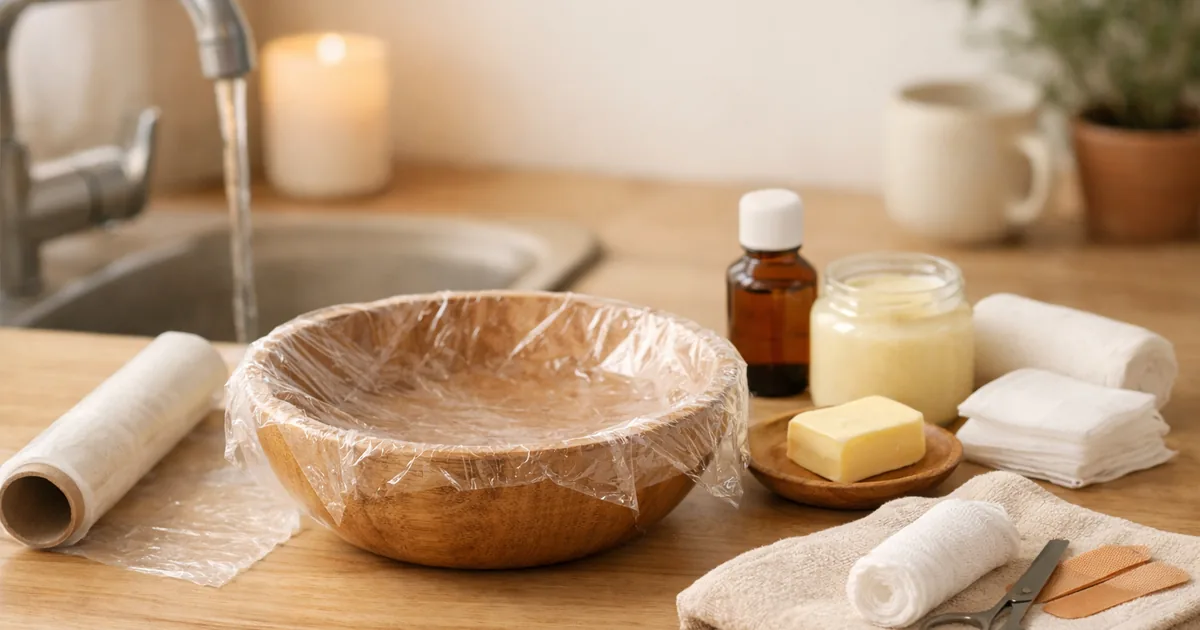
Burns and Scalds — NHS: Cool Running Water for 20 Minutes Within 3 Hours, Cling Film, No Butter or Creams
The NHS says to cool a burn or scald under cool running water for 20 minutes, as soon as possible and within 3 hours, then cover it with cling film without wrapping. Don't use creams, oils, butter or plasters, don't burst blisters, and go to A&E for large or deep burns, burns on the face or genitals, and chemical or electrical burns.

Seasonal Affective Disorder — NHS: Comes in Winter, Goes in Summer; Daylight Every Day; 10,000 Lux Light Therapy
The NHS describes seasonal affective disorder (SAD) as a type of depression that usually happens in winter, thought to be linked to reduced daylight. It suggests going outside in daylight every day, regular exercise and consistent sleep and wake times, and lists light therapy (10,000 lux), CBT and antidepressants as treatments.
Norovirus Incubation and Symptoms — CDC: Starts 12 to 48 Hours After Exposure, Over in 1 to 3 Days, Contagious for 2 Weeks or More
The CDC describes norovirus as a very contagious virus causing vomiting and diarrhea. Symptoms start 12 to 48 hours after exposure and most people recover within 1 to 3 days, but you can spread it for 2 weeks or more, so stay home for 2 days (48 hours) after symptoms stop and wash hands with soap and water for at least 20 seconds.
Cold or Flu — CDC: Colds Come On Gradually, Flu Abruptly; Flu Fever Lasts 3 to 4 Days, but Not Everyone Has One
The CDC compares a cold, which starts gradually, with flu, which starts abruptly; fever is rare with a cold but common with flu and lasts 3 to 4 days. Not everyone with flu has a fever, and shortness of breath, chest pain, or fever or cough that improves then worsens need care right away.

Hypothermia — NHS: Below 35C Is an Emergency; Remove Wet Clothes, Wrap the Head, No Hot Bath or Rubbing
The NHS defines hypothermia as a drop in body temperature below 35C and treats it as a medical emergency. Move the person indoors, remove wet clothing and wrap them up including the head; don't use a hot bath, hot water bottle or heat lamp, rub their limbs or give alcohol. Older people living alone are particularly at risk.
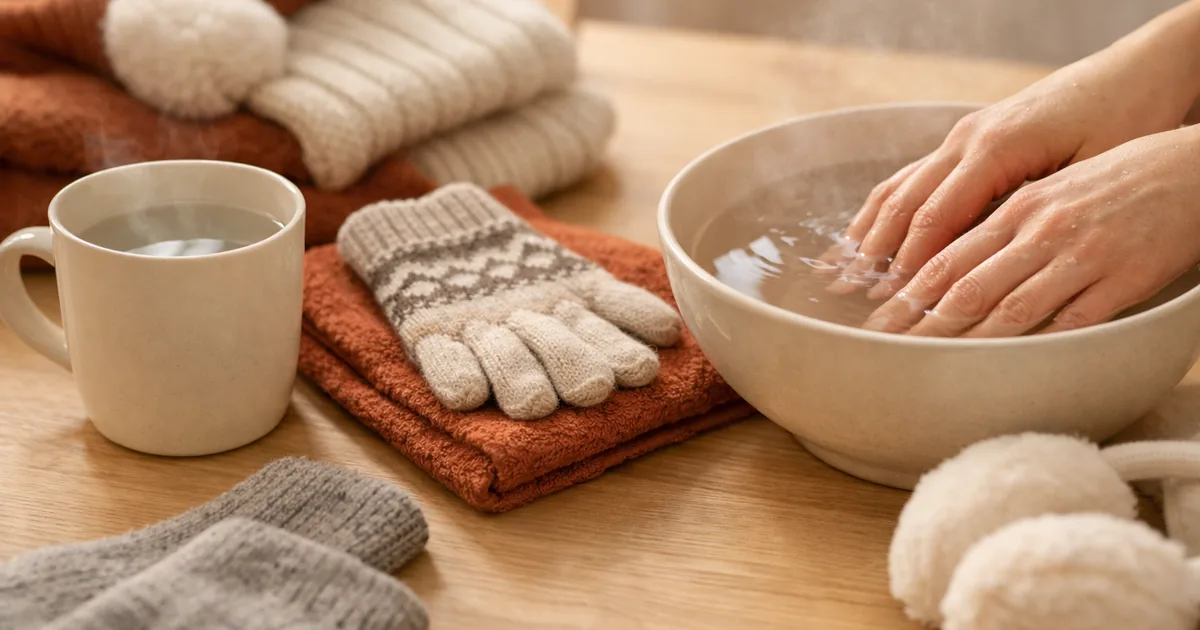
Frostbite — NHS: At 0C or Below, Fingers, Toes, Nose and Ears; Warm, Not Hot, Water and No Rubbing
The NHS says frostbite can happen at 0C (32F) or below and most often affects fingers, toes, nose and ears. Remove tight items, warm the area in warm (not hot) water and raise it; don't rub it, use a fire, radiator or hot water bottle, have a hot bath or drink alcohol. Go to A&E for frozen skin, loss of feeling or blisters.
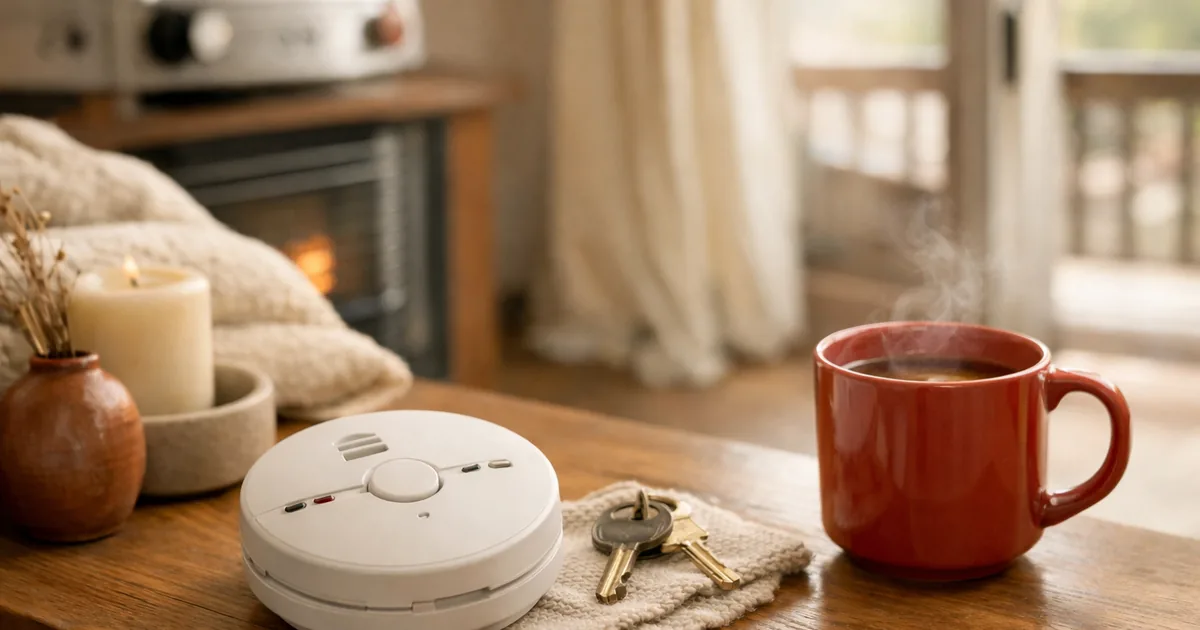
Carbon Monoxide Poisoning — NHS: No Smell or Colour; Headaches Worse at Home; Switch Off and Get Outside
The NHS says carbon monoxide has no smell or colour, and symptoms such as headache, dizziness and nausea often get worse in the affected room or building and ease outside. If you suspect it, stop using the appliance, go outside and get medical advice; fit an alarm in each room with a fuel-burning appliance.
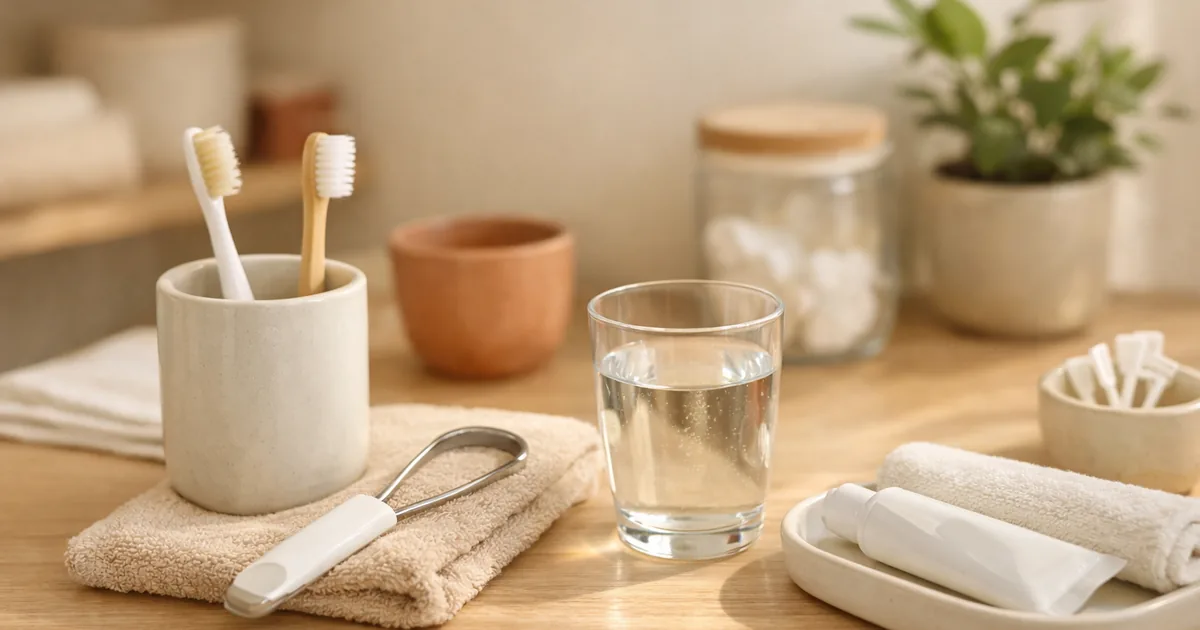
Bad Breath — NHS: Brush Twice a Day for 2 Minutes, Clean Your Tongue Daily, Don't Rinse Straight After
The NHS lists strong-smelling food, gum disease and holes in teeth, crash dieting, dry mouth, tonsillitis or acid reflux, and smoking as common causes of bad breath. Brush at least twice a day for 2 minutes, clean your tongue and between your teeth daily, don't rinse straight after brushing, and see a dentist if it hasn't gone after a few weeks.
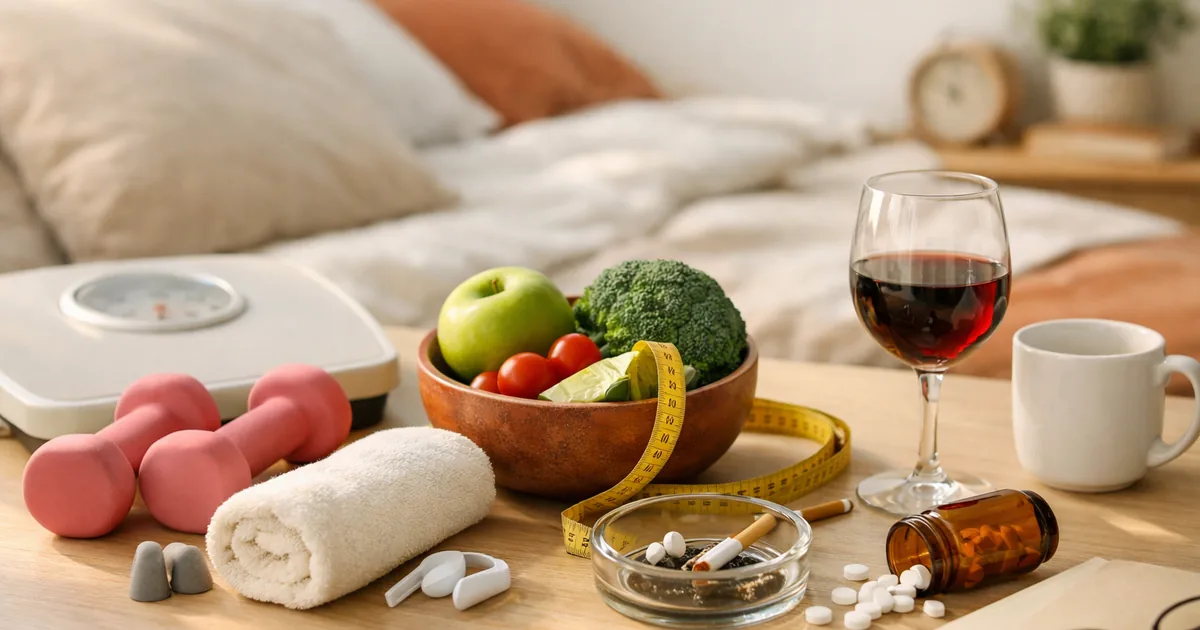
Snoring — NHS: Sleep on Your Side, Lose Weight, Avoid Smoking, Alcohol and Sleeping Pills
The NHS explains snoring as your tongue, mouth, throat or nasal airways vibrating as they relax in sleep, with being overweight, smoking, drinking and sleeping on your back as risks. It suggests losing weight and sleeping on your side, avoiding sleeping pills, and seeing a GP if you're sleepy in the day or your breathing stops and starts.
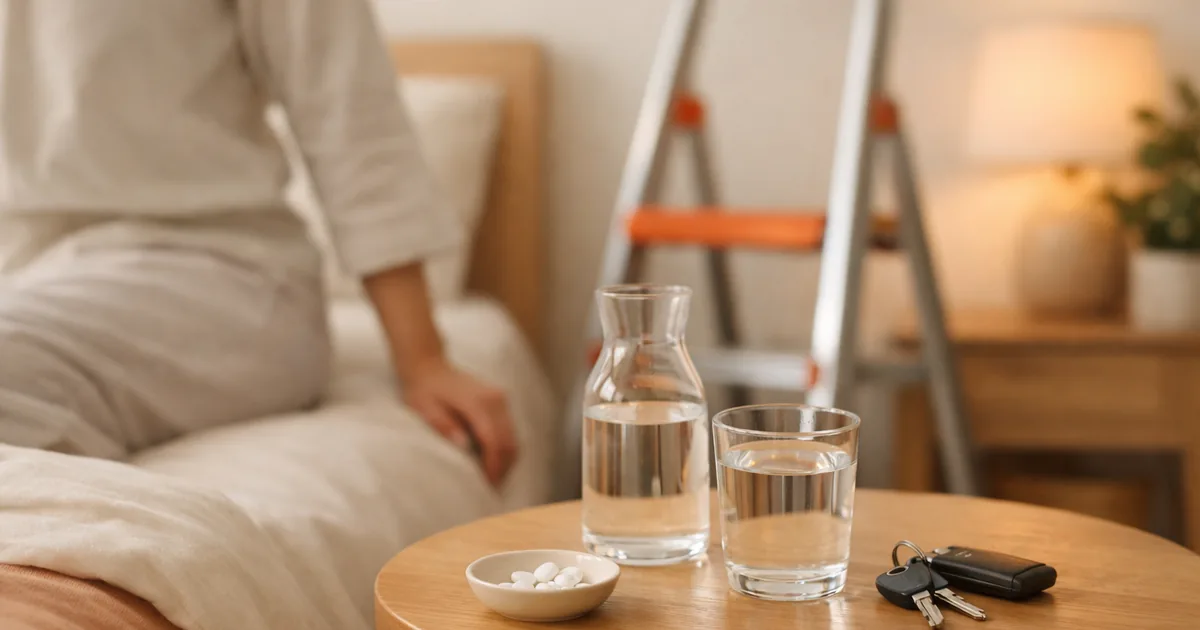
Dizziness — NHS: Lie Down, Then Get Up Slowly; Drink Plenty; No Driving or Ladders While Dizzy
The NHS says dizziness usually goes away on its own. Lie down until it passes and get up slowly, drink plenty of fluids and avoid coffee, cigarettes and alcohol; don't bend or stand up suddenly or do anything dangerous like driving, and see a GP for trouble hearing or speaking, vision changes, or numbness or weakness.
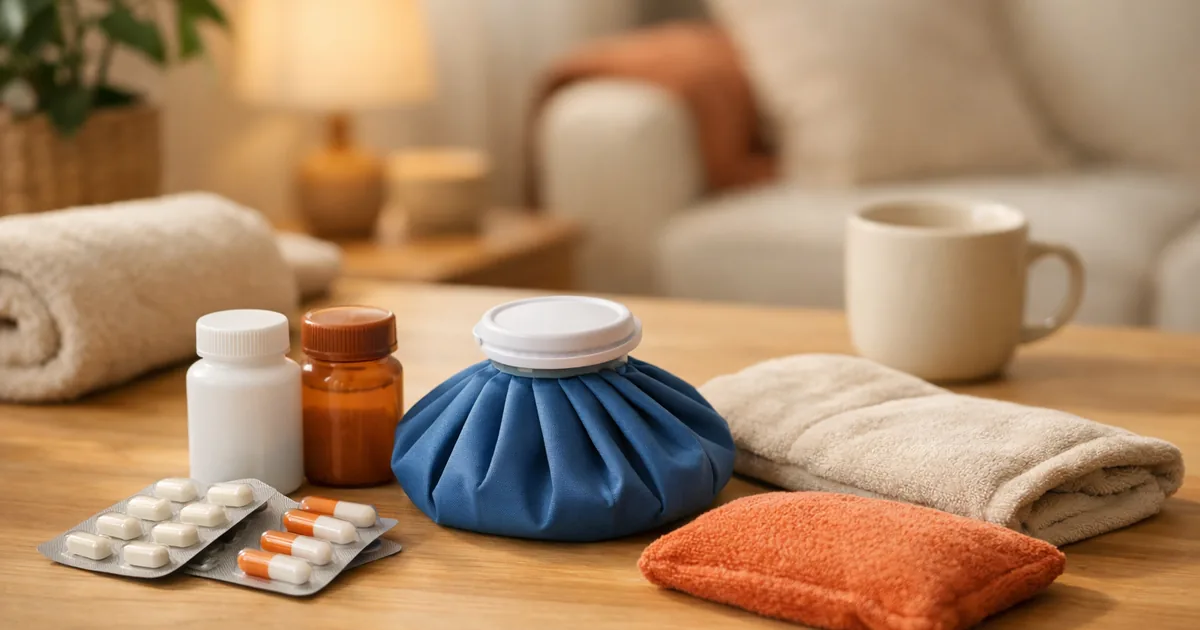
Back Pain — NHS: Keep Moving, Not Bed Rest; Anti-inflammatories, Ice and Heat; Usually a Few Weeks
The NHS says back pain usually improves within a few weeks. Stay active rather than in bed, and use anti-inflammatories like ibuprofen, an ice or heat pack wrapped in a towel, and exercises and stretches. Paracetamol alone isn't recommended; numbness in both legs or bladder and bowel changes need A&E.
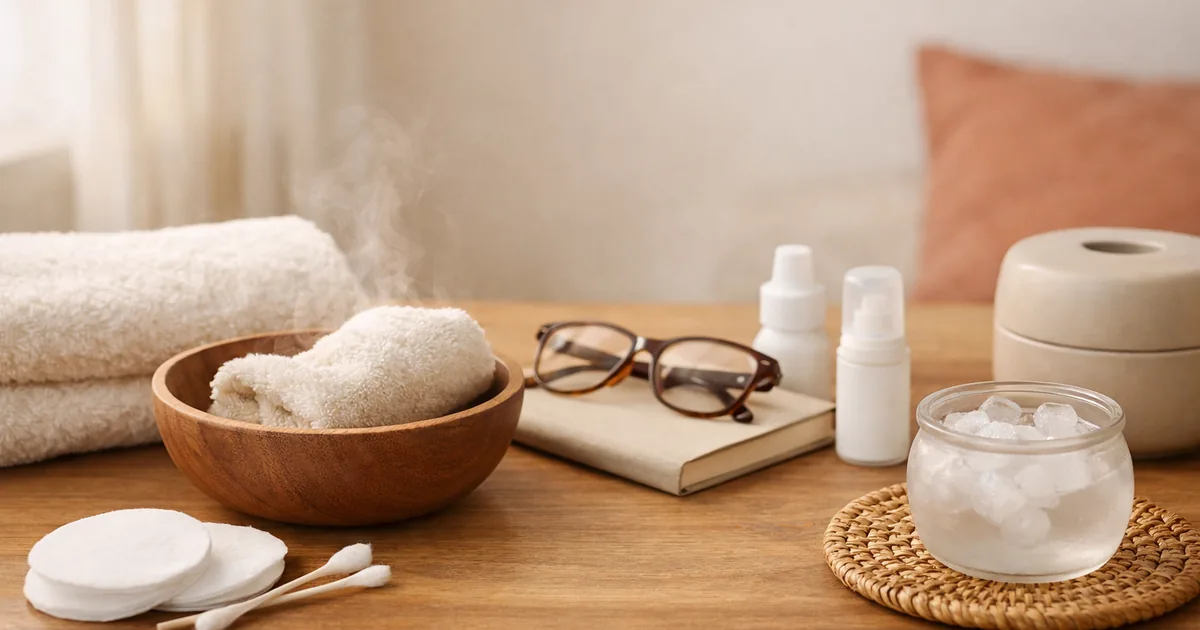
Dry Eyes — NHS: Clean Your Eyelids Daily, a Warm Flannel, and Less Time in Heated Rooms
The NHS says dry eyes happen when you don't make enough tears or they dry quickly. Clean your eyelids daily, take screen breaks, use a warm (not hot) flannel and a humidifier, and avoid smoking, too much alcohol and long periods in air-conditioned or heated rooms; get your eyes checked if they're still dry after a few weeks.
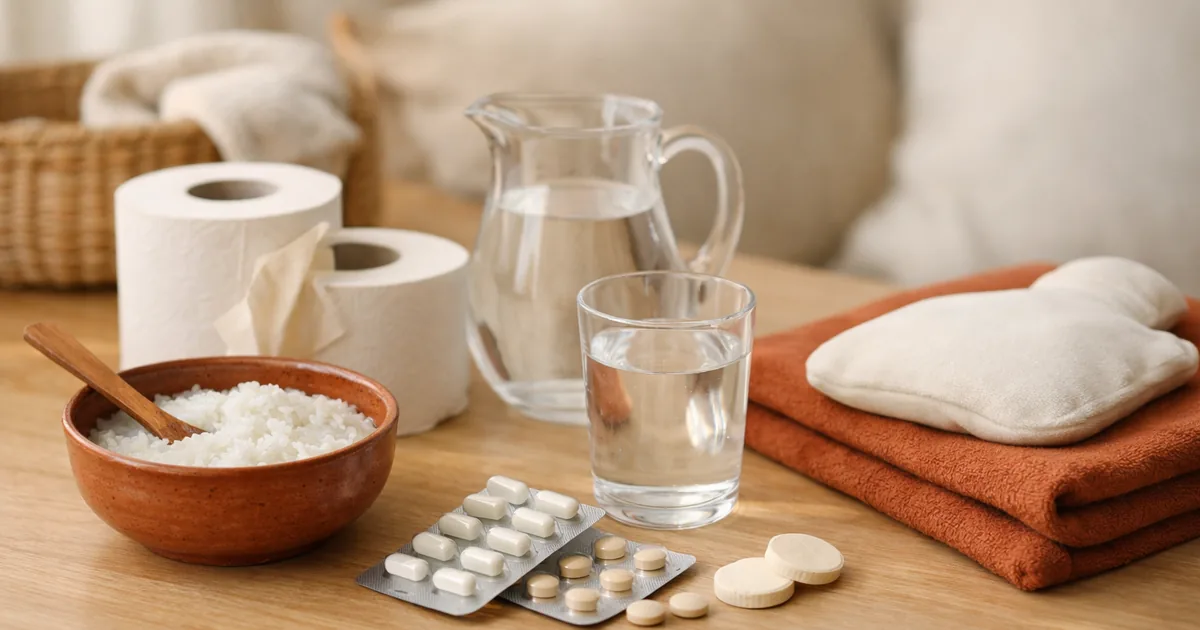
Diarrhoea and Vomiting — NHS: Diarrhoea 5 to 7 Days, Vomiting 1 to 2; Lots of Fluids; Stay Home for 2 Days After
The NHS says diarrhoea usually stops within 5 to 7 days and vomiting within 1 or 2, and the key is lots of fluids to avoid dehydration. Avoid fruit juice and fizzy drinks, stay off school or work until 2 days after the last bout and out of pools for 48 hours, and get advice if diarrhoea lasts over 7 days or vomiting over 2.
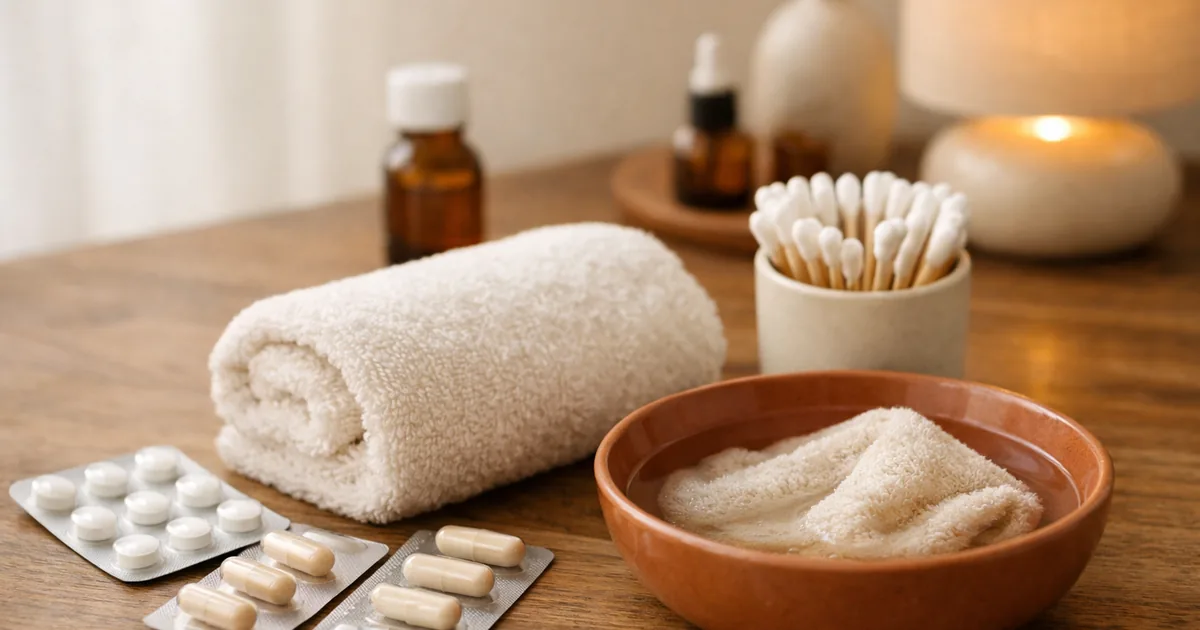
Earache — NHS: Painkillers and a Warm Flannel; No Cotton Buds; Urgent Help After 2 to 3 Days
The NHS says earache is often an ear infection but has many causes. It suggests painkillers (no aspirin under 16) and a warm flannel, and says not to put cotton buds in your ear, remove earwax or let water in; get urgent help if it lasts more than 2 to 3 days or comes with fluid, swelling or hearing changes.
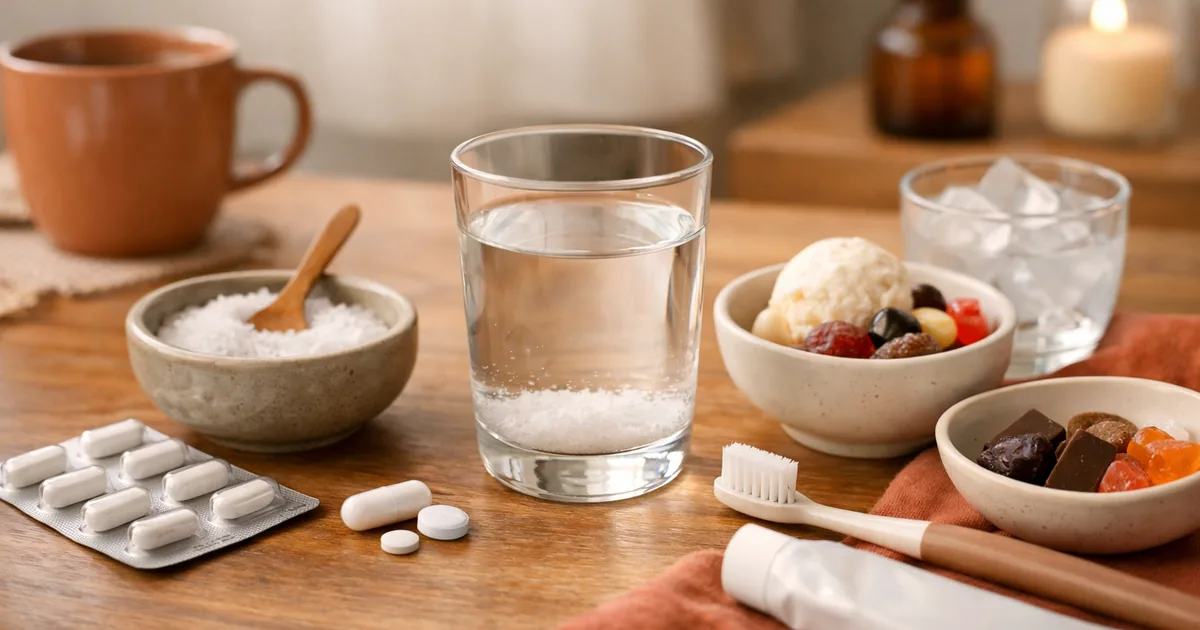
Toothache — NHS: Painkillers and Salt-Water Rinses Until the Dentist; Avoid Sweet, Hot and Cold Food; Dentist After 2 Days
Until you see a dentist, the NHS suggests painkillers (no aspirin under 16), a pain-relieving mouth gel, a salt-water rinse (half a teaspoon in a glass of warm water, not for children) and soft foods, and says to avoid sweet, very hot or very cold food and smoking. See a dentist if it lasts more than 2 days or painkillers don't help.
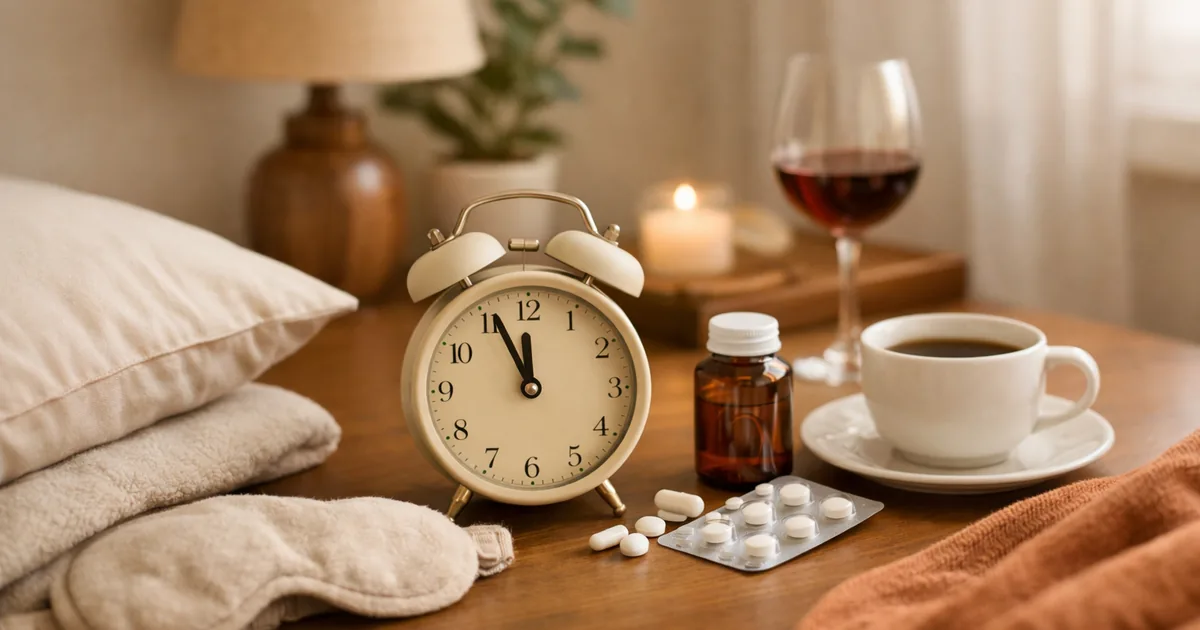
Insomnia — NHS: Bed Only When Sleepy, the Same Wake Time, No Caffeine or Alcohol 6 Hours Before; Sleeping Aids for 1 to 2 Weeks
The NHS says insomnia usually improves by changing sleep habits: only go to bed when sleepy, get up at the same time every day, avoid alcohol, tea, coffee and smoking for 6 hours before bed and exercise within 4 hours, and don't nap or sleep in. Pharmacy sleeping aids are for 1 to 2 weeks at most; see a GP after months of trouble.
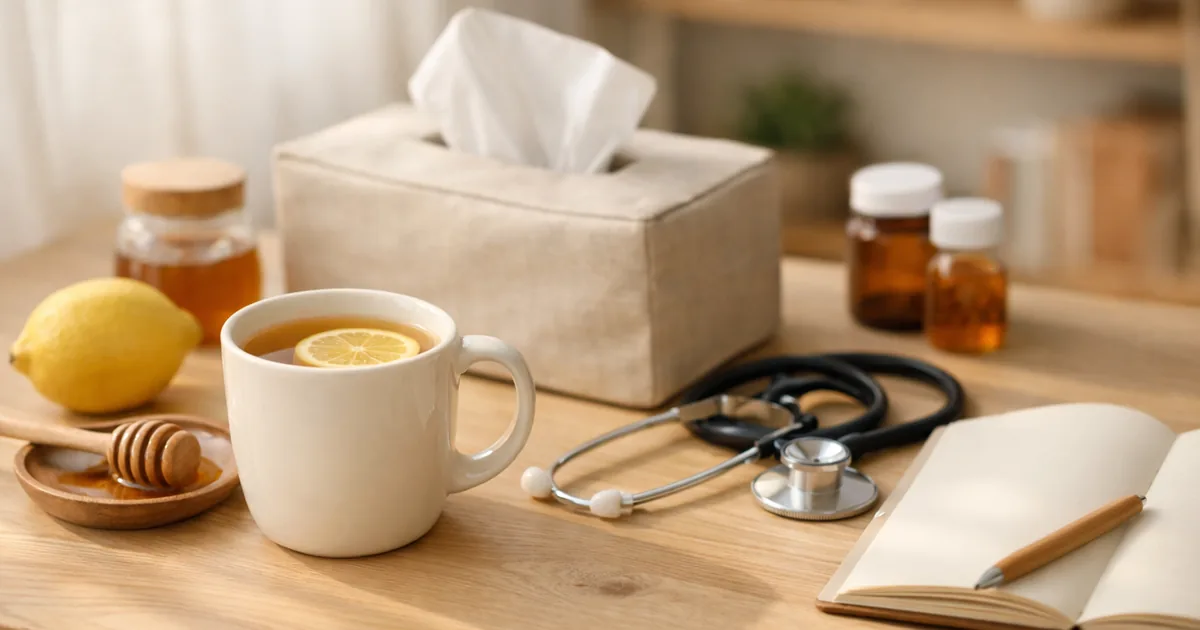
A Lingering Cough — NHS: Usually 3 to 4 Weeks; Lemon and Honey From Age 1; See a GP After 3 Weeks
The NHS says a cough usually clears up on its own within 3 to 4 weeks and most come from a cold or flu. Rest, drink plenty, and hot lemon and honey (not under 1) can work like cough syrup; pharmacy cough medicines help you cough less but won't stop it; see a GP if it lasts more than 3 weeks.
Warts and Verrucas — NHS: Usually Go On Their Own but Take Months to Years; Pharmacy Treatment Up to 3 Months, Never on the Face
The NHS says warts and verrucas usually go away on their own but may take months or even years, and spread through contaminated surfaces or skin contact. Wash your hands after touching them, don't share towels, socks or shoes and don't pick them; pharmacy creams and plasters can take up to 3 months and should not be used on the face.
Itchy Skin — NHS: Pat, Don't Scratch; Lukewarm Water and Unperfumed Moisturiser; See a GP If It's All Over or in Pregnancy
For itchy skin the NHS suggests patting instead of scratching, cool or lukewarm baths or showers, an unperfumed moisturiser used regularly and loose cotton clothing, and says to avoid tight, wool or synthetic clothes, long showers and perfumed products. See a GP if it is all over your body, severe or during pregnancy.
Mouth Ulcers — NHS: Usually 1 to 2 Weeks; Skip Spicy, Acidic and Crunchy Food; See a Dentist After 3 Weeks
The NHS says mouth ulcers clear up on their own within a week or 2 and are not contagious. It suggests a soft toothbrush, cool drinks through a straw and softer foods, says to avoid spicy, salty, acidic or crunchy food and toothpaste with sodium lauryl sulphate, and to see a dentist or GP if one lasts longer than 3 weeks.

Leg Cramps — NHS: Seconds to 10 Minutes; Stretch and Massage; Wall Calf Stretch 3 Times a Day
The NHS says leg cramps are common, usually harmless, last from a few seconds to 10 minutes and mostly come at night or when resting. During one, stretch and massage the muscle or stand on the leg; to prevent them, do a wall calf stretch holding 2 or 3 seconds for 5 minutes, 3 times a day, the last just before bed.
Athlete's Foot — NHS: Rarely Clears Alone; Pharmacy Antifungals for a Few Weeks; Don't Wear the Same Shoes 2 to 3 Days Running
The NHS says the main symptom of athlete's foot is itchy white patches between the toes; it is unlikely to clear on its own, and pharmacy antifungals usually take a few weeks. Dry between your toes, wear clean cotton socks daily, don't wear the same shoes more than 2 to 3 days in a row, and wear flip-flops in changing rooms and showers.
Frequent Headaches — NHS: Water, Rest, Painkillers; Don't Oversleep or Skip Meals; See a Doctor Past 3 Days a Week
The NHS says headaches can last 30 minutes to several days but most go away on their own; it suggests water, rest, relaxing and painkillers, and says to avoid skipping meals, oversleeping, long screen time and alcohol. MedlinePlus says painkillers more than 3 days a week can cause rebound headaches.
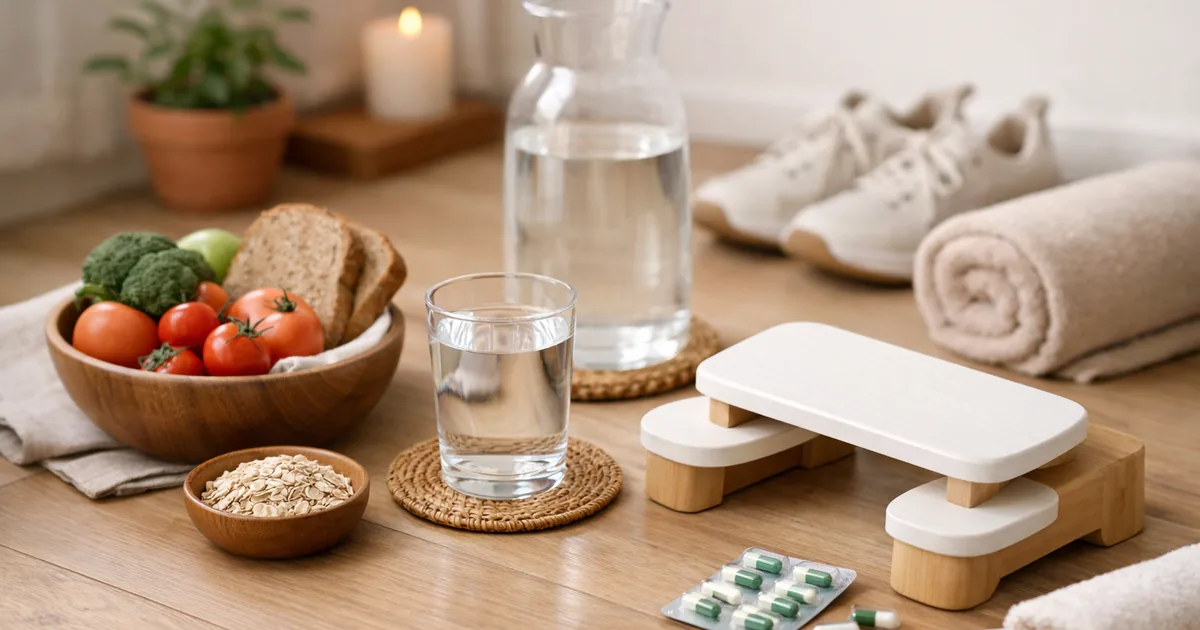
Constipation — NHS: Fibre, Fluids, a Daily Walk and a Footstool; Laxatives Only Briefly (No More Than 7 Days)
The NHS counts not pooing at least 3 times in the last week, or hard stools, as constipation, and suggests adding fibre gradually, drinking plenty, walking daily, keeping a regular toilet time and resting your feet on a low stool. Don't take laxatives bought without a prescription for longer than 7 days, and ask for advice if 3 days haven't helped.
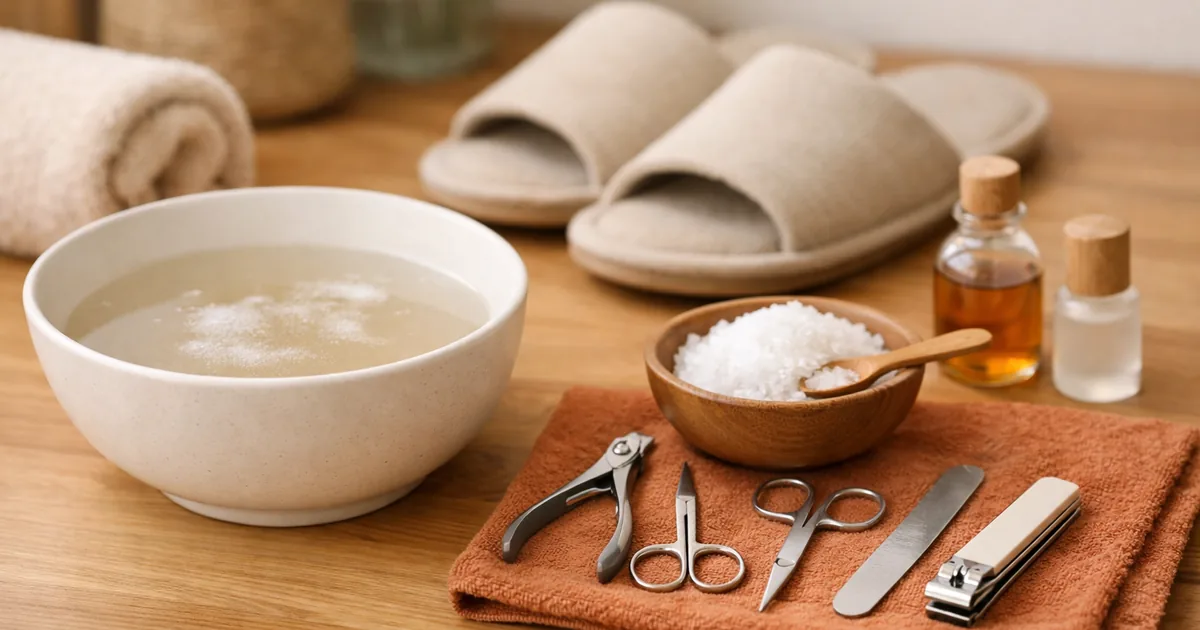
Ingrown Toenail — NHS: Warm Salty Water and Wide Shoes; Don't Cut It; Trim Straight Across
The NHS says ingrown toenails are common and usually affect the big toe; it suggests soaking in warm, salty water, keeping the foot dry, wide comfortable shoes and painkillers. Don't cut or pick the ingrown nail; to prevent it, don't cut too short and cut straight across, and see a GP for pus, a high temperature or diabetes.
Sore Throat — NHS: Usually a Week, Antibiotics Rarely Needed, A&E for Trouble Breathing or Swallowing
The NHS says sore throats normally get better within a week, are usually caused by viruses such as colds or flu or by smoking, and do not normally need antibiotics. It suggests salt water gargles (not for children), fluids, soft food and rest, and A&E for difficulty breathing, inability to swallow or drooling.
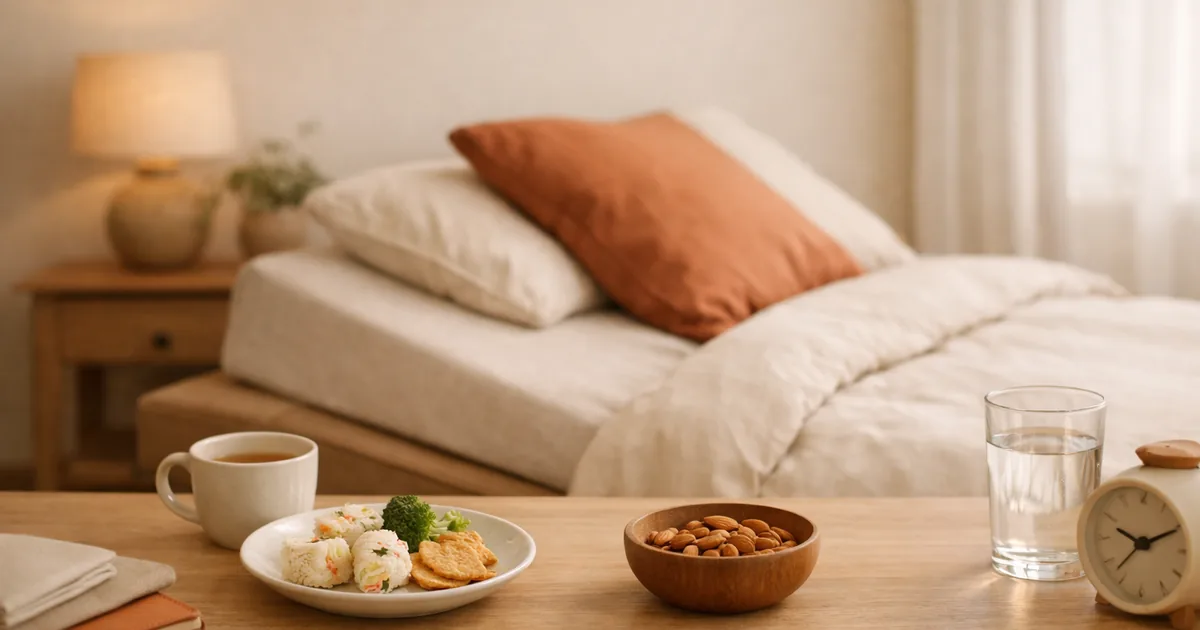
Heartburn and Acid Reflux — NHS: Smaller Meals, Nothing 3 to 4 Hours Before Bed, Raise the Bed 10 to 20cm
The NHS says to eat smaller, more frequent meals, avoid eating within 3 or 4 hours of bedtime, and raise the head of the bed by about 10 to 20cm for heartburn. Extra pillows can make it worse, and you should see a GP if you have heartburn most days or food gets stuck.
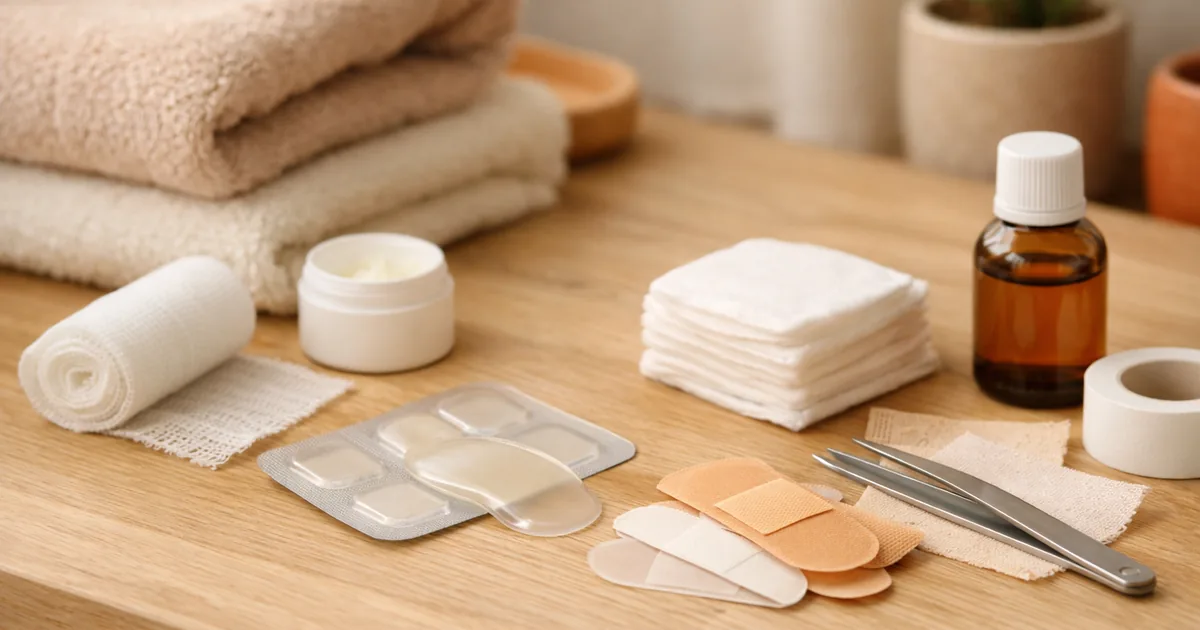
Should You Pop a Blister — NHS: Don't Burst It, Cover It, Leave the Skin On, Usually a Week
The NHS says blisters often heal on their own within a week, and says not to burst them but to cover them with a soft plaster or padded dressing. If one bursts, leave the skin on, let it drain and cover it; a hot blister with green or yellow pus is infected and should not be ignored.

Chilblains — NHS: Dry and Warm Slowly, No Radiators or Hot Water, Usually 2 to 3 Weeks
The NHS says chilblains — itchy, burning patches on fingers and toes a few hours after the cold, turning red or purple — usually go away in 2 to 3 weeks. Dry your skin and warm it slowly rather than on a radiator or under hot water, don't scratch, and avoid smoking, caffeine and decongestants.
Cold Sores — NHS: Antiviral Cream at the First Tingle, No Kissing Until Healed, 10 Days
The NHS says cold sores should start to heal within 10 days and are contagious from the first tingle until fully healed. Use antiviral cream as soon as you notice the tingling, and don't kiss anyone until it has healed — kissing a baby can cause neonatal herpes.
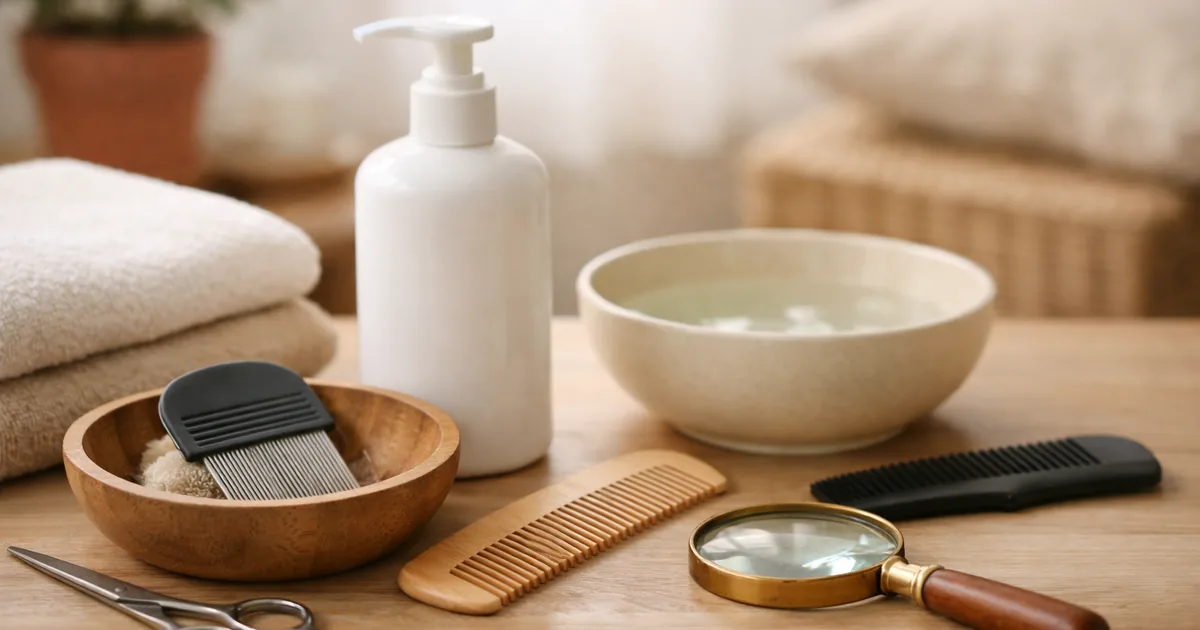
Getting Rid of Head Lice — NHS: Wet Comb on Days 1, 5, 9 and 13, Check on Day 17, No Need to Miss School
The NHS says the only way to be sure of head lice is finding live lice with a detection comb, and recommends wet combing with conditioner from roots to ends on days 1, 5, 9 and 13, then checking on day 17. There is no need to keep children off school, and nothing can prevent head lice.
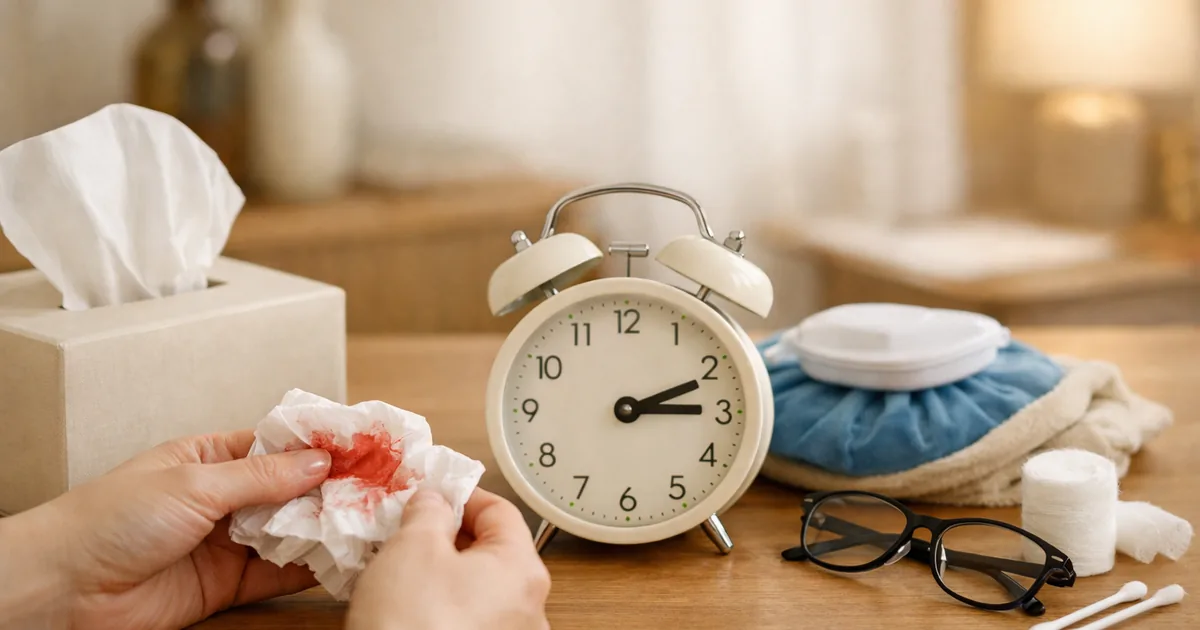
How to Stop a Nosebleed — NHS: Lean Forward, Pinch 10 to 15 Minutes, A&E If Longer, Take Care for 24 Hours
The NHS says to sit down, lean forward, breathe through your mouth and pinch just above the nostrils for 10 to 15 minutes. Go to A&E if it lasts longer than 10 to 15 minutes or follows a blow to the head, and for 24 hours afterwards avoid blowing your nose, hot drinks, alcohol and strenuous exercise.
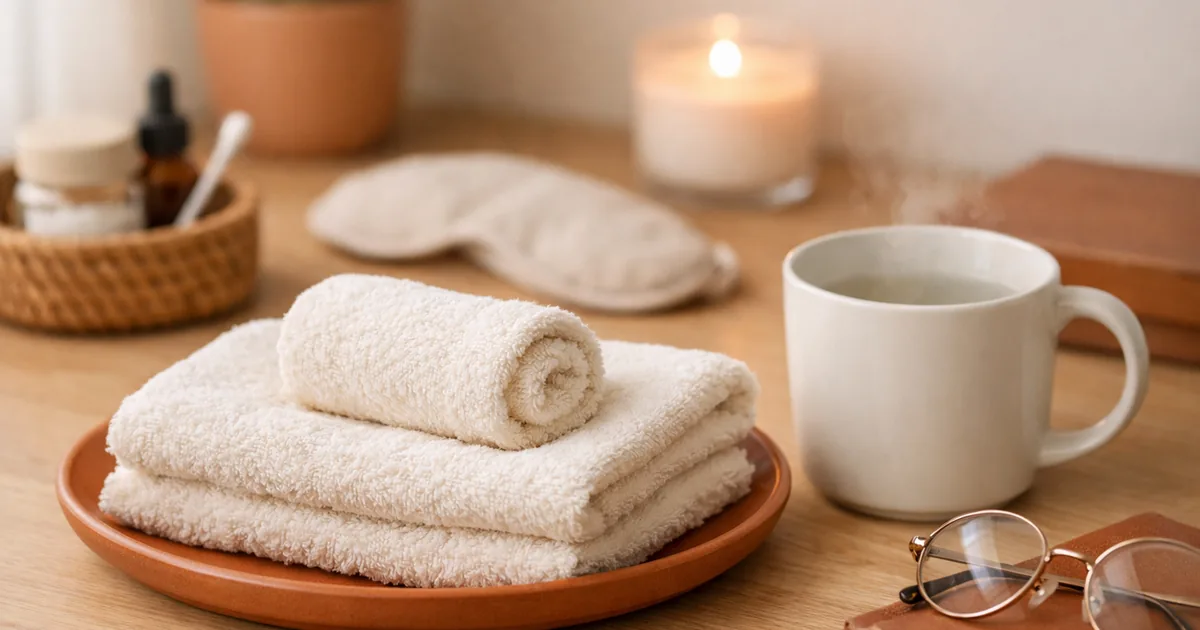
How to Treat a Stye — NHS: Warm Flannel 5 to 10 Minutes, 2 to 4 Times a Day, Don't Burst It, Usually a Week
The NHS says a stye should go within a week, and suggests a clean flannel soaked in warm water held against the eye for 5 to 10 minutes, 2 to 4 times a day. Don't burst it or pull out eyelashes, avoid lenses and eye make-up until it has healed, and get seen urgently if it is very painful or affects your vision.
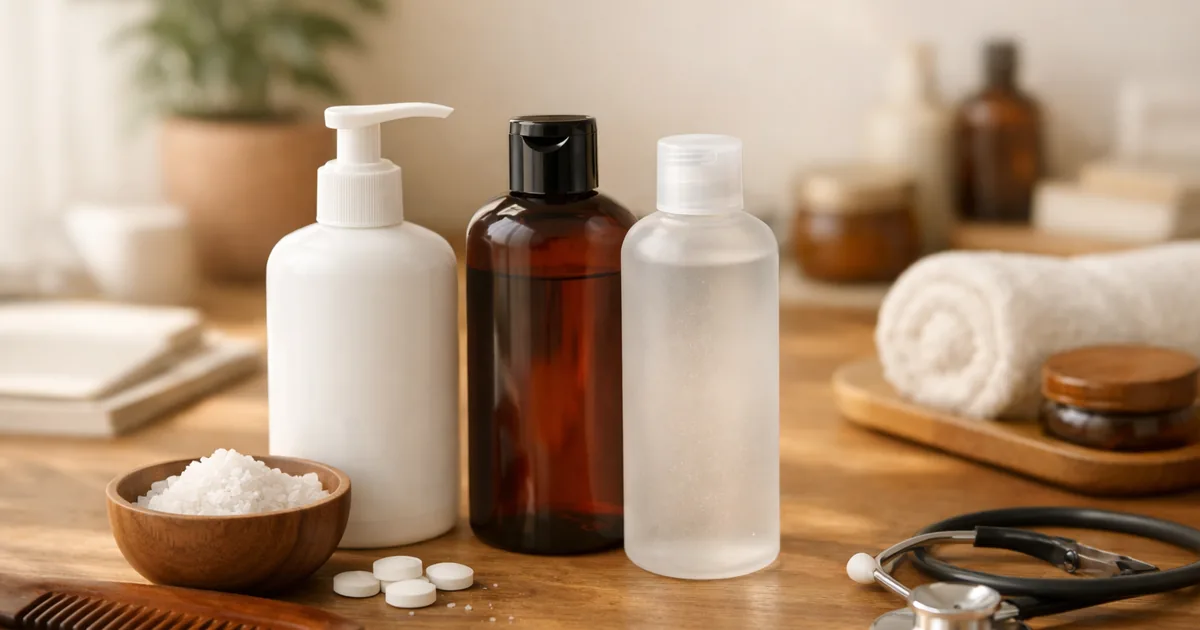
Choosing a Dandruff Shampoo — NHS: Not About Hygiene, Ketoconazole, Coal Tar, Salicylic Acid, Try Up to 4 Weeks
The NHS says dandruff is not caused by poor hygiene and can be made worse by stress and cold weather, and suggests a shampoo with ketoconazole, coal tar or salicylic acid for up to 4 weeks. The American Academy of Dermatology adds zinc pyrithione, selenium sulfide and sulfur for 6 ingredients, and says some shampoos need 5 to 10 minutes on the scalp.
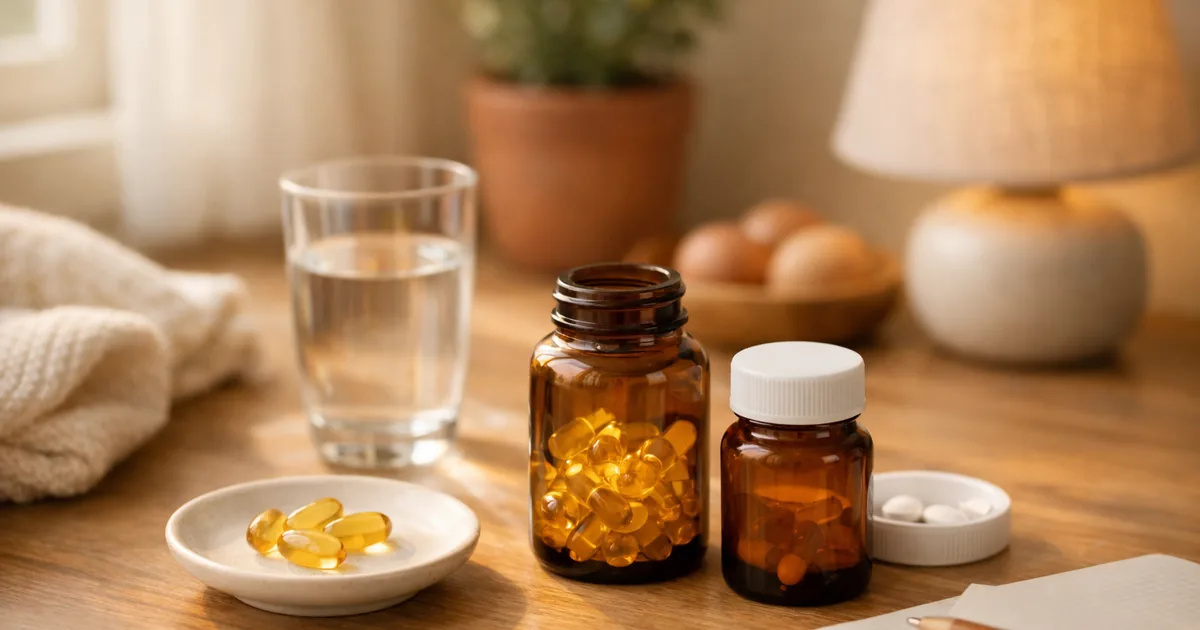
Vitamin D From October — NHS: 10 Micrograms (400 IU) a Day, Adult Upper Limit 100 Micrograms (4,000 IU)
The NHS says sunlight is not enough from October to early March, so everyone should consider a 10 microgram (400 IU) vitamin D supplement a day. The adult upper limit is 100 micrograms (4,000 IU) a day, 50 micrograms for ages 1 to 10 and 25 micrograms under 1.
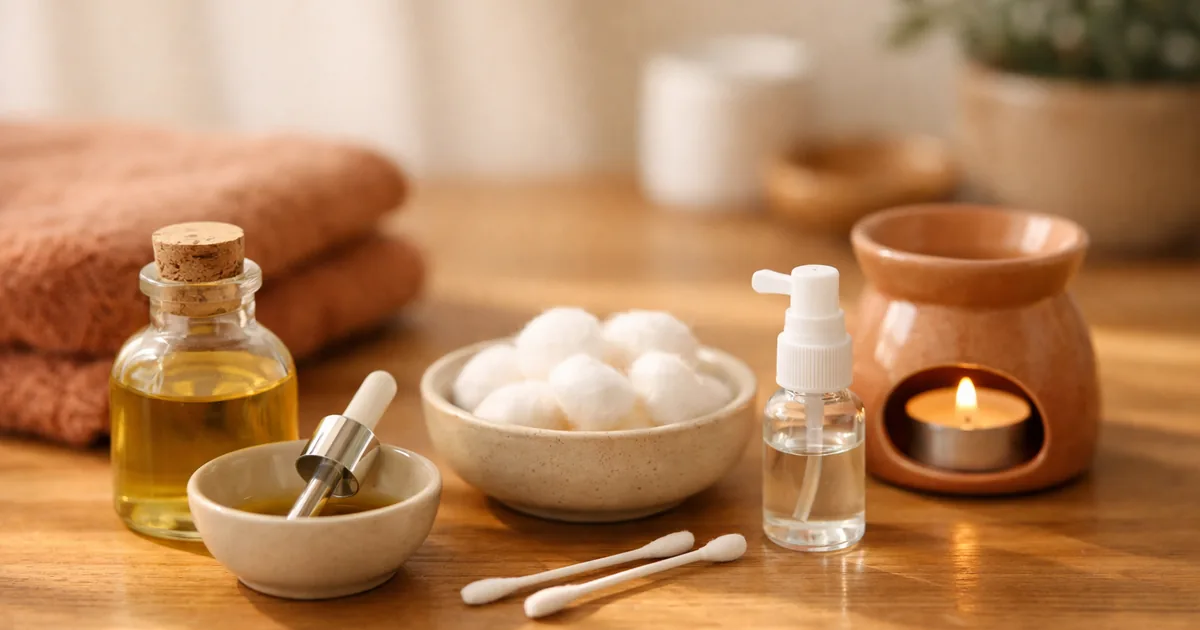
Don't Dig Earwax With Cotton Buds — NHS: Olive Oil 3 to 4 Times a Day for 3 to 5 Days, About 2 Weeks, See Someone After 5 Days
The NHS says not to use fingers or objects like cotton buds to remove earwax. Lying with the blocked ear up and using olive or almond oil 3 to 4 times a day for 3 to 5 days should bring the wax out over about 2 weeks; if it has not cleared after 5 days, get it seen.
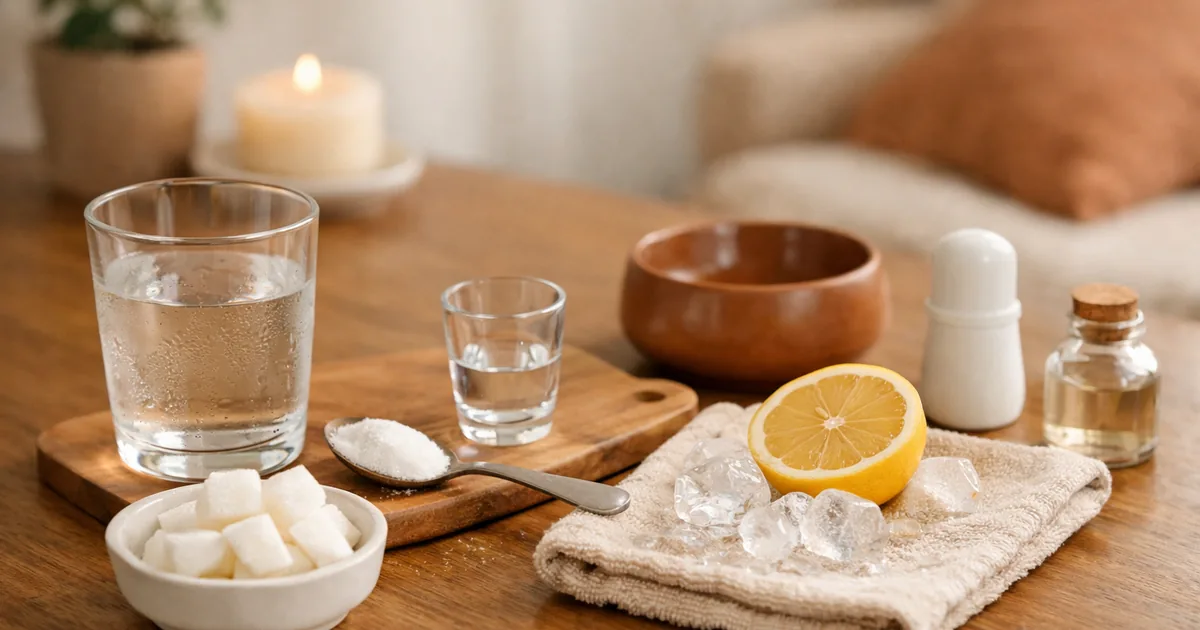
How to Stop Hiccups — NHS: Usually a Few Minutes, 6 Things to Try (No Proof for Everyone), See a GP After 48 Hours
The NHS says hiccups should only last a few minutes, and lists 6 things to try — breathing into a paper bag, knees to chest, sipping ice-cold water, swallowing sugar, lemon or vinegar, and a short breath-hold — while noting there is no evidence they work for everyone. See a GP if they last longer than 48 hours.
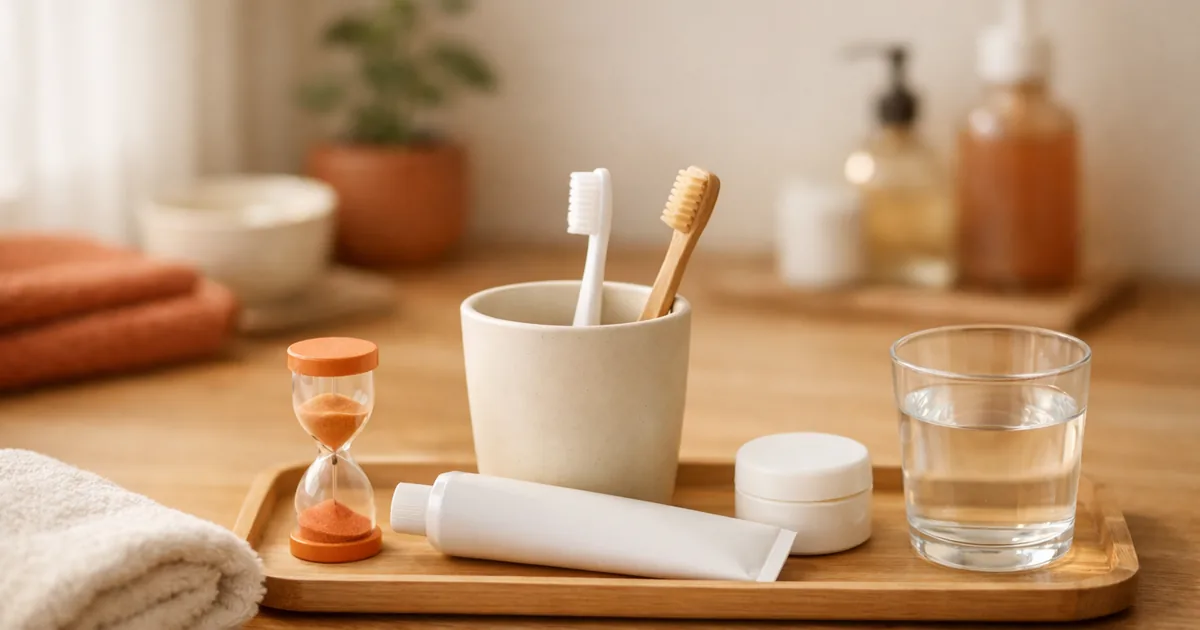
How Long and How Often to Brush — NHS: Twice a Day for About 2 Minutes, 1,350ppm Fluoride, Spit Don't Rinse
The NHS says to brush twice a day for about 2 minutes, with one of those last thing before bed. Adult toothpaste should contain at least 1,350ppm fluoride, and you should spit rather than rinse after brushing. Floss before brushing, and use mouthwash at a different time.
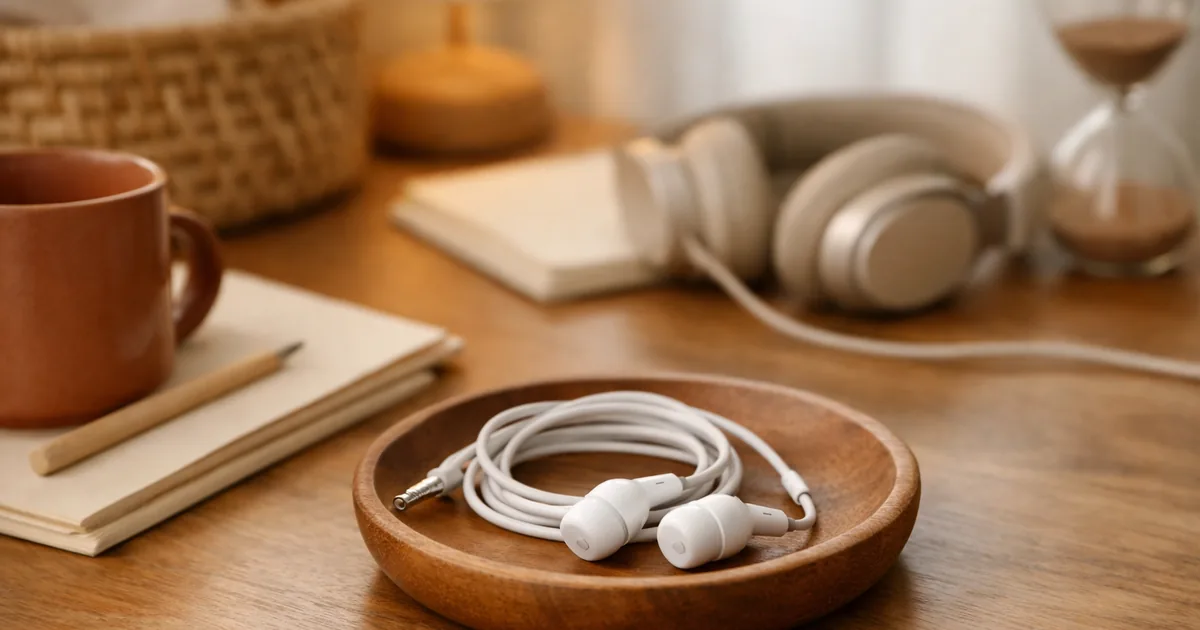
How Loud Is Too Loud for Earphones — WHO: Under 60% Volume, 40 Hours a Week at 80dB, 4 Hours at 90dB
The WHO says to keep device volume at no more than 60% of maximum, and gives safe listening time per week by sound level: 40 hours at 80dB, 12 hours 30 minutes at 85dB, 4 hours at 90dB and 20 minutes at 100dB. At concerts, rest 10 minutes somewhere quiet every hour.
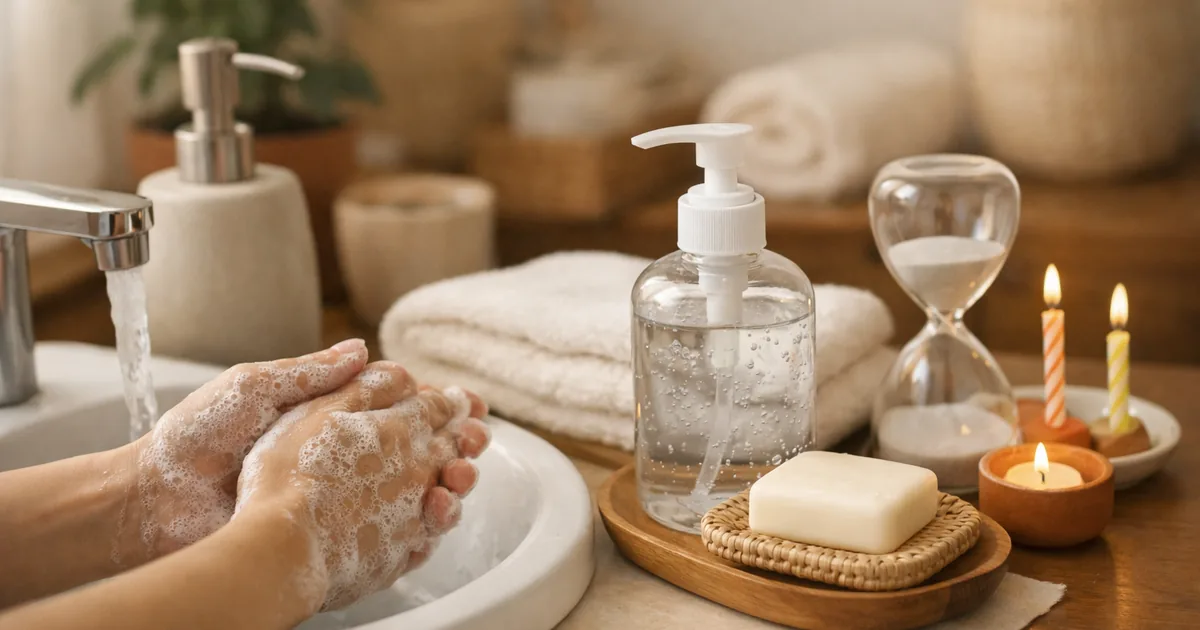
Handwashing for 20 Seconds — CDC: Happy Birthday Twice, Five Steps, and Sanitizer With at Least 60% Alcohol
The US CDC says to scrub with soap for at least 20 seconds, timed by humming Happy Birthday from beginning to end twice. There are five steps — wet, lather, scrub, rinse, dry — and when soap and water are not available, use hand sanitizer with at least 60% alcohol.
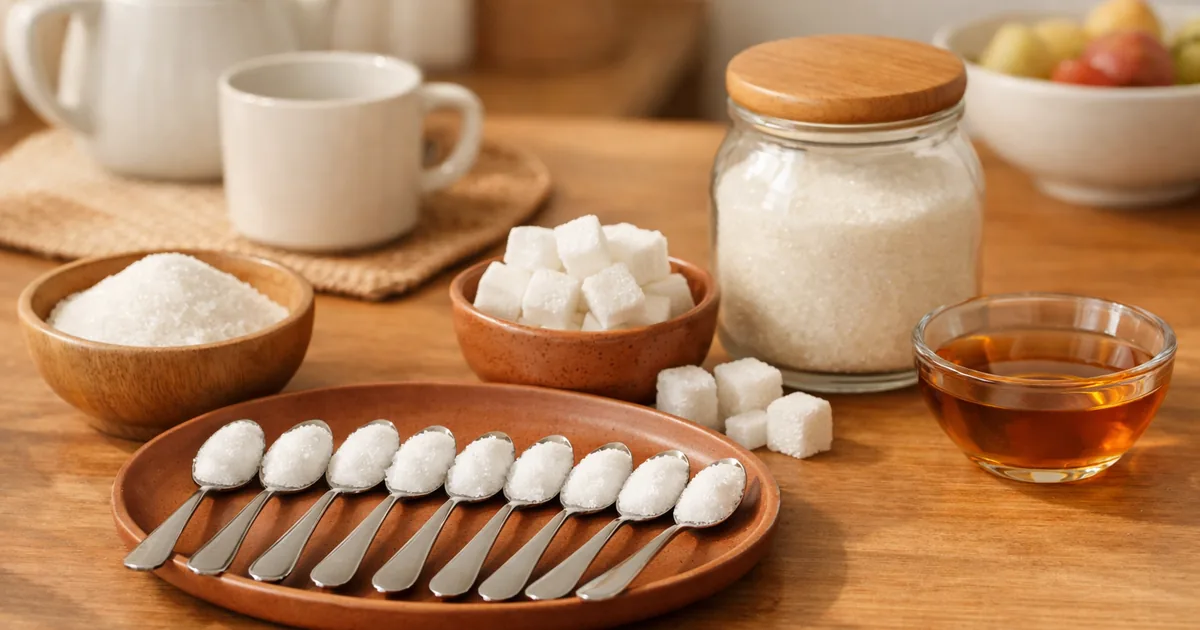
How Much Sugar a Day — WHO Free Sugars Under 10% (50g, 12 Teaspoons at 2,000 Calories), Better at 5% or Less
The WHO says to keep free sugars under 10% of daily energy intake — 50g, or about 12 level teaspoons, for an adult eating 2,000 calories a day. Going to 5% or less may bring extra benefits, and sugar in honey, syrups and fruit juices counts as free sugar.

How Much Caffeine a Day — FDA's 400mg, Two to Three Cups When One Holds 113 to 247mg, and Decaf Is Not Zero
The US FDA cites 400mg of caffeine a day for healthy adults, about two to three 12-ounce cups of coffee. The same coffee ranges from 113 to 247mg a cup, and decaf still has 2 to 15mg in 8 ounces. Pure caffeine can cause toxic effects such as seizures at around 1,200mg, less than half a teaspoon.

How Much Is Too Much to Drink — NHS Units: One Unit Is 10ml of Alcohol, 14 a Week, and the Sum Is ABV × ml ÷ 1,000
The NHS counts drinks in units, not glasses. One unit is 10ml (8g) of pure alcohol, counted as strength × volume (ml) ÷ 1,000. Men and women are advised not to drink more than 14 units a week regularly, and to spread it over 3 or more days. A 360ml bottle of 16% soju is about 5.8 units (our arithmetic).
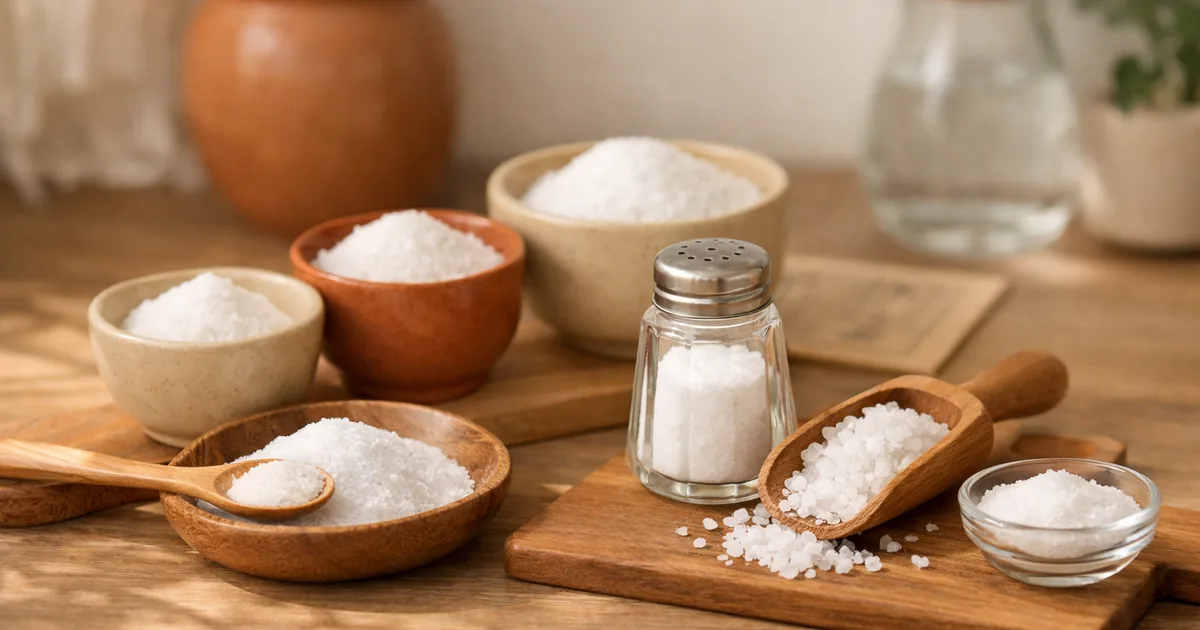
How Much Salt a Day — WHO's Under 5g (2,000mg Sodium), a World Average of 11g, and Label Sodium × 2.5 as Salt
The WHO recommends adults have less than 5g of salt, or 2,000mg of sodium, a day, just under a teaspoon. The global adult average in 2021 was 4,278mg of sodium, or 11g of salt, and about 1.7 million deaths in 2023 were associated with too much sodium. Multiplying label sodium by 2.5 gives roughly the salt (our arithmetic).

Scrub Typhus in Autumn Korea — Cases Peak in October and November; Fever Within 10 Days and a Black Scab Are the Signs
The KDCA is monitoring chigger mites at 18 sites for 16 weeks from 26 August. Korea sees roughly 3,000 to 6,000 cases a year, concentrated in October and November; fever and rash appear within 10 days of infection, and a black scab (eschar) at the bite is the hallmark.
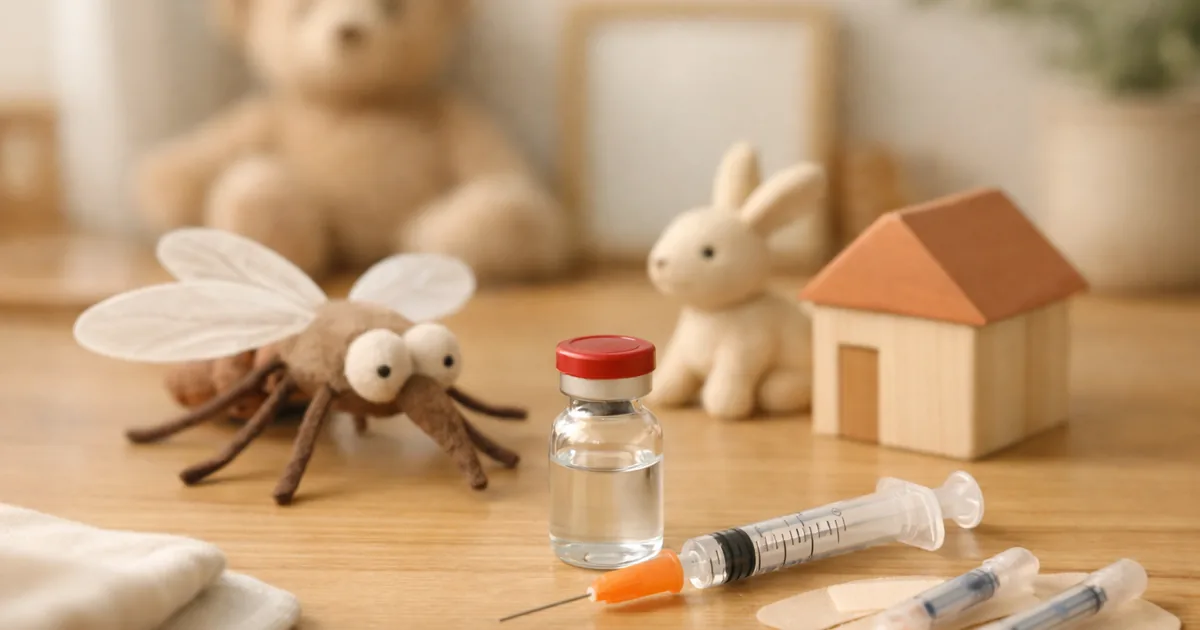
Korea's First Japanese Encephalitis Case of 2026 — The Warning Came Earliest in Ten Years, on 17 June; Under-12s Are Vaccinated Free
On 9 September the KDCA confirmed this year's first Japanese encephalitis patient, a woman in her 60s with no vaccination. 80% of cases fall in September and October and 65.9% are 50 or older, and up to 20–30% may die if it becomes encephalitis. Of 146 reported cases in 2017–2025, 24 died.
364 Cold-Related Illnesses in Korea Last Winter — Deaths Rose 1.75 Times, and Over-80s Were More Than Half
Korea's surveillance system recorded 364 cold-related illnesses (14 presumed deaths) last winter: cases 1.09 times the year before, deaths 1.75 times. People over 80 were 32.4% of cases but 57.1% of deaths, and those over 65 collapsed most often near or inside their homes.
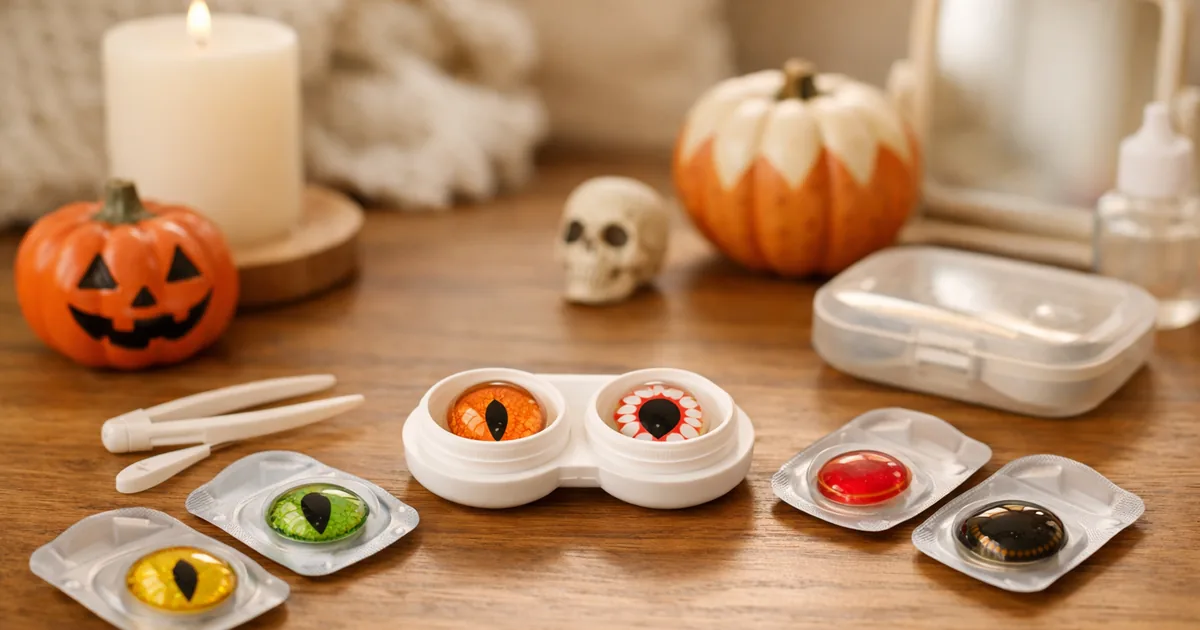
Halloween Coloured Contacts in Korea — Zero Power Is Still a Contact Lens
Korean law narrows glasses to “for vision correction only” but widens contact lenses to “including those not for vision correction.” The brackets run opposite ways, so zero-power coloured lenses cannot be sold online.

Halloween Sweets in Korea — Allergens Must Be Declared “Regardless of Quantity”
The annex requires every allergen used as an ingredient to be declared whatever the amount. The list runs to nineteen entries as written, and “may contain” means a shared production line, not an ingredient.

Korean National Health Screening — Who Is Eligible This Year
Age is the year minus your birth year, not your age in full years. And only non-desk staff go annually.

Chuseok Safety — 1,474 Bee Stings, and 12,038 Road Injuries in the Same Tables
Korean holiday notices lead with bees and snakes. The same fire service tables carry a number eight times larger — and because the holiday runs 4 to 6 days, the yearly totals do not compare.
Korea's National Health Screening — There Is No “Odd or Even Birth Year” in the Law
The decree fixes an interval of once every two years, nothing more. Birth-year parity is how that two-year cycle is run, not a legal requirement.
What Korea's Fine Dust “Bad” Actually Means — Two Different Rulers
The top of the PM2.5 “Moderate” band, 35 micrograms, is the legal 24-hour standard itself. “Moderate” is not safe; it means today's limit has not been passed yet.
Flu Vaccination in Korea — Who Pays Nothing, and What “by the End of October” Means
Brought forward on 16 September — children and pregnant women from 21 September, older adults from 6 October by age band to 15 October. “By the end of October” counts from when antibodies appear, so 17 October is the ideal single-dose cut-off; after that, vaccination still continues while flu circulates.

2.73 Million Cancer Survivors in Korea — What ‘One in 19’ Means (2026)
62% of that number were diagnosed more than five years ago. It counts 25 years including people who were cured, and over half are 65 or older.

Bone Density Testing — When to Go, and How to Read T and Z on the Report
Korea's programme covers women at 54, 60 and 66. Before menopause the report gives a Z-score rather than a T-score, so read the letter before the number.
Anaemia Testing — The Health Check Measures One Thing (2026)
Ferritin, which shows stored iron, is not a national screening item. There is a stretch where the stores drain while the blood still holds — and the report prints ‘normal’.
How Much Water a Day — The Two Litres Is Total Water, Food Included
The liquid you actually drink is 1,000-1,200 mL for men and 900-1,000 for women. And there is a ceiling — 1.4 litres an hour.

Should You Eat Breakfast? No Link for Adult Weight, a Link for Children
No firm evidence says an adult's weight turns on breakfast. What does change is diet quality — three meals score about 5 HEI points higher than two.
Caring for Someone with Cancer — What Happens to the Carer, and What Support Exists
A national agency guide carries the heading ‘be prepared that some people may not help.’ And in Korea there is an expense programme applied for at a health centre.
Ten Thousand Steps — The Guidance Is Written in 150 Minutes, Not Steps
You can hit ten thousand steps with intensity and strength still empty. Moderate means you can talk but not sing — walking, that's 2.5 mph or faster.
Cancer Myths and Facts — Only 5-10% Inherited, Smoking and Diet 30% Each
Only 5-10% of cancers are inherited. The weight sits on smoking at 30%, diet at 30% and chronic infection at 10-25%.

How Much Sleep Do Adults Need? 7 or More Hours — Koreans Average 7h 45m on Weekdays
The CDC adult row reads “7 or more hours.” Koreans sleep 7h 45m on weekdays — 45 minutes above that floor.
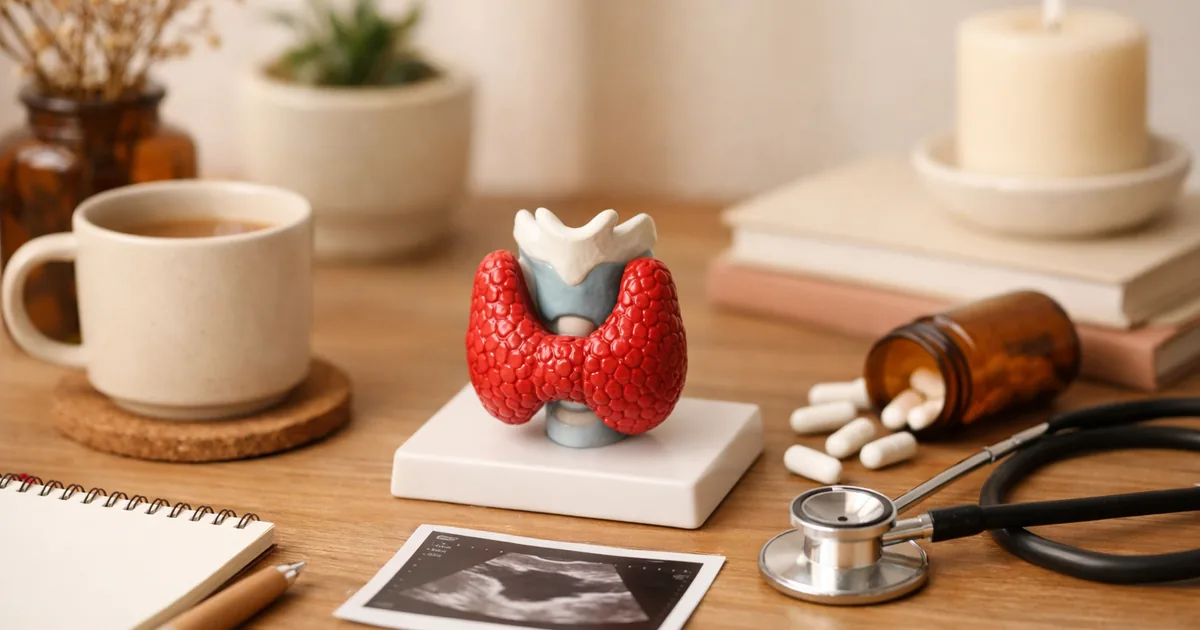
Thyroid Cancer in Korea — How Common, How Dangerous, and Should You Be Screened (2026)
35,440 diagnoses in a year, about one person in 1,443. What a 100.2% survival rate actually means, and why it is not in the national screening programme.
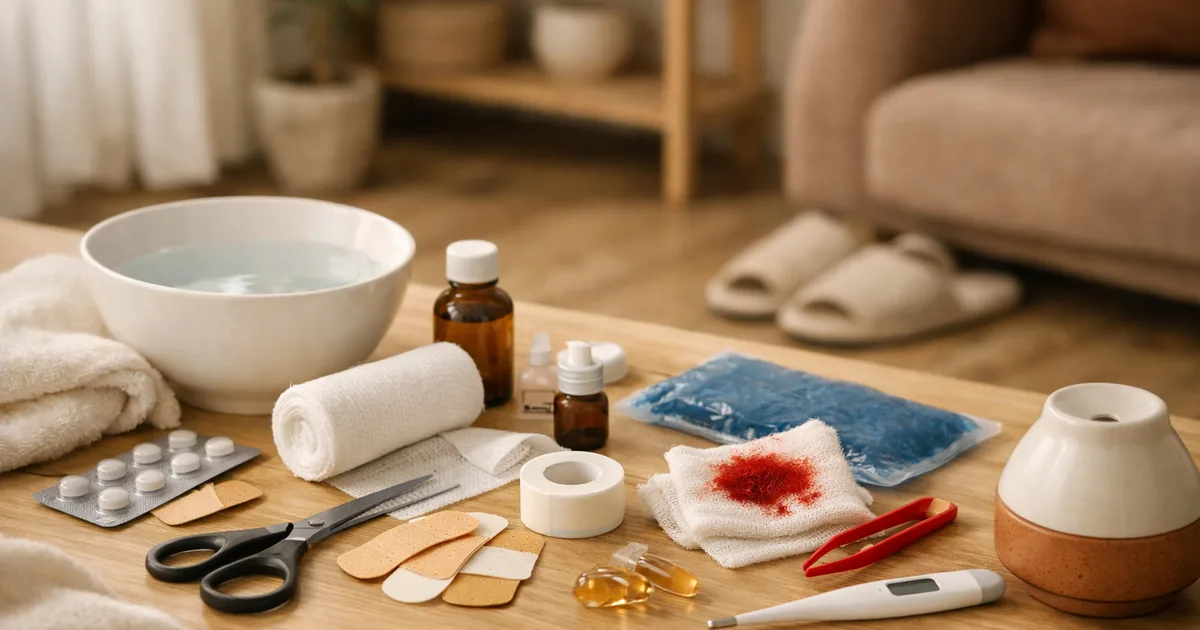
Home Emergencies: What to Do (and What Never to Do)
Burns, bleeding, sprains — plus the quietest danger at home, and one CDC figure that does not add up.
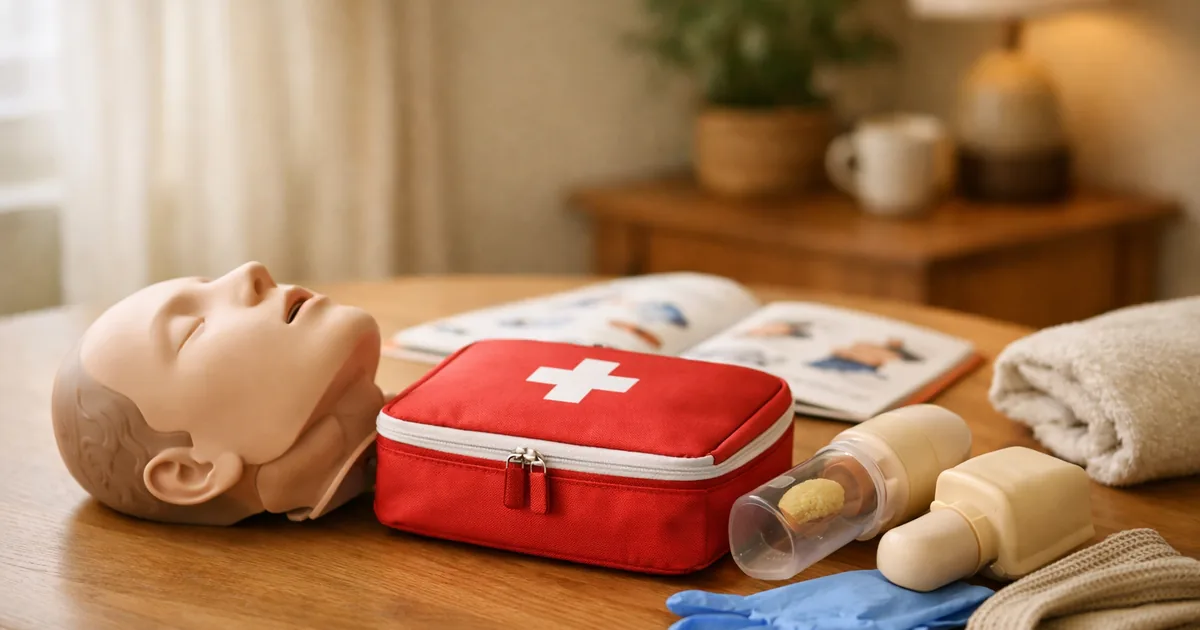
CPR Steps and Choking First Aid — Chest Compressions, AED and 6 Steps That Save Your Family
Survival was 14.4% when a bystander acted and 6.1% when none did. And the agency page opened this time, so we could read what the survey counts.
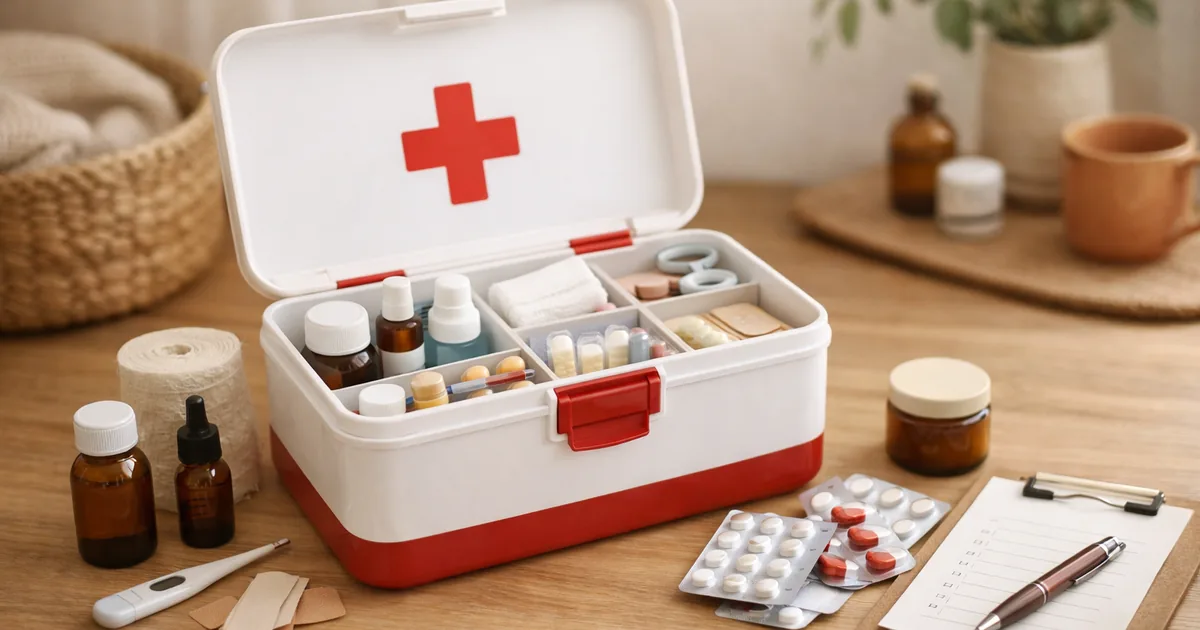
The Home First-Aid Kit — Convenience-Store Medicine Is the Exception, Not the Rule
Counting the agency's own kit list gives 26 items. And the Act itself explains why the convenience-store selection can never exceed twenty.

Heart Attack Warning Signs — One in Five Sends No Signal
94.9% of U.S. adults know to call 9-1-1. Exactly 50.2% can name all five symptoms.

Magnesium Supplements — The Upper Limit Sits Below the Recommendation
RDA 420 mg, UL 350 mg. Not a typo — the two numbers count different things. And a blood test tells you less than you would think.

“Carbon Monoxide Alarms Are Mandatory”? The Notice Says “May Install”
We opened Korea's fire agency notice. Article 4 says “shall install”; the very next article says “may install.” And homes are not on the covered list.
The Menopausal Transition — A Name You Can Only Use a Year Later
NIA and WHO name the same window. The ages, the symptoms, and the finding that waking may trigger the hot flash rather than the reverse.
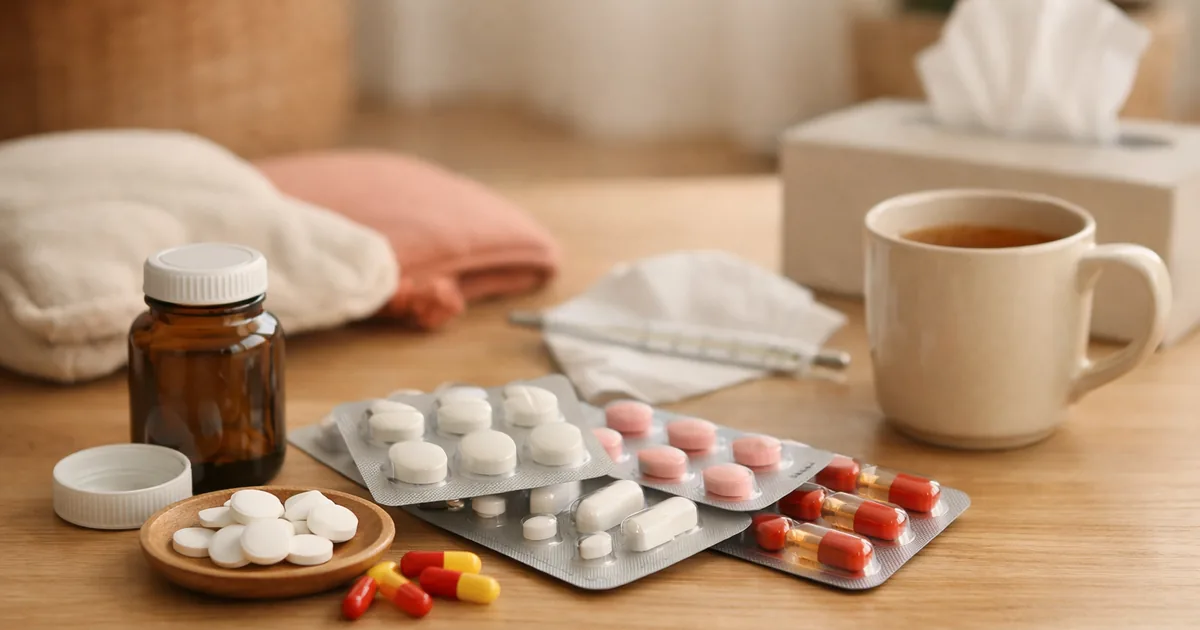
Choosing OTC Medicine by Symptom — Acetaminophen Is in Over 600 Products
The FDA's daily maximum is 4,000mg. Add cold medicine and your pain-reliever ceiling drops from 8 tablets to 5.
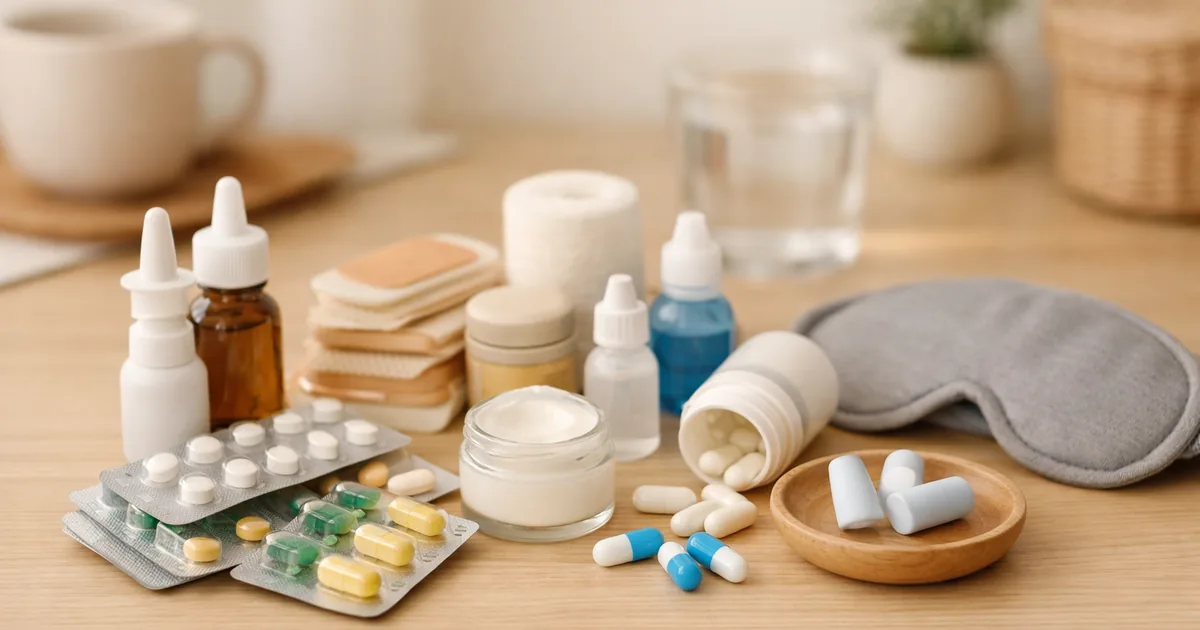
US Drugstore Meds (2) — Allergy, Skin, Eyes, Sleep, Motion + How-To
Five of the twelve first-aid supplies are for skin and eyes — allergy, sleep and motion sickness too, by ingredient.
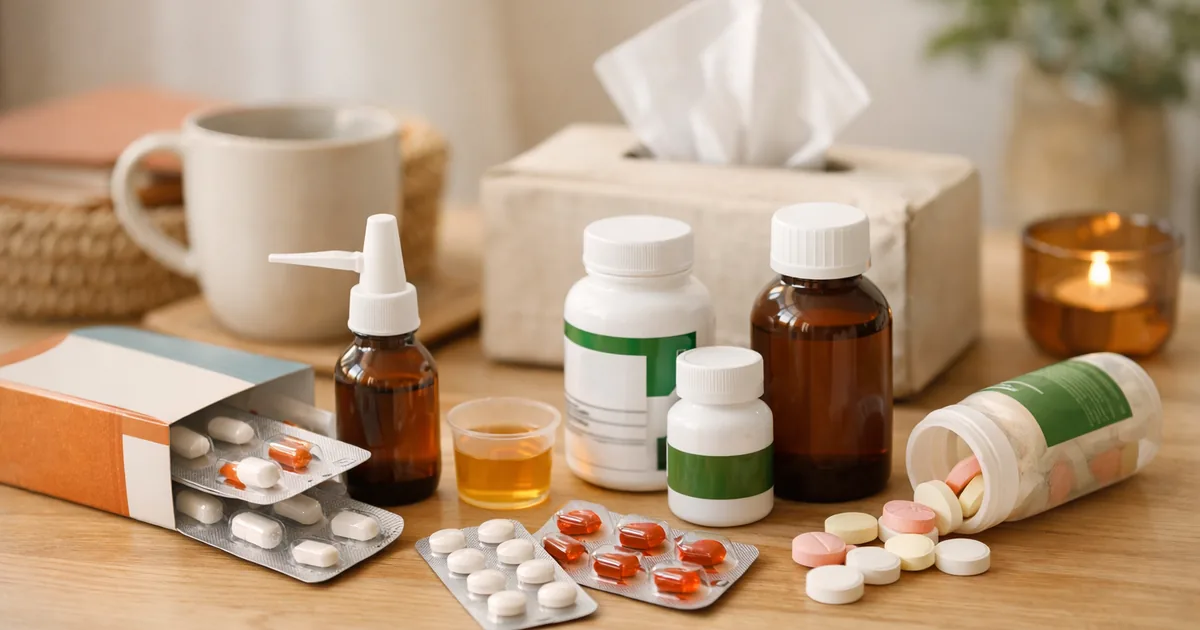
US Drugstore Meds (1) — Cold, Pain & Digestive by Symptom
Only one of the nine items on the agency list carries a brand name — shop the other eight by ingredient.
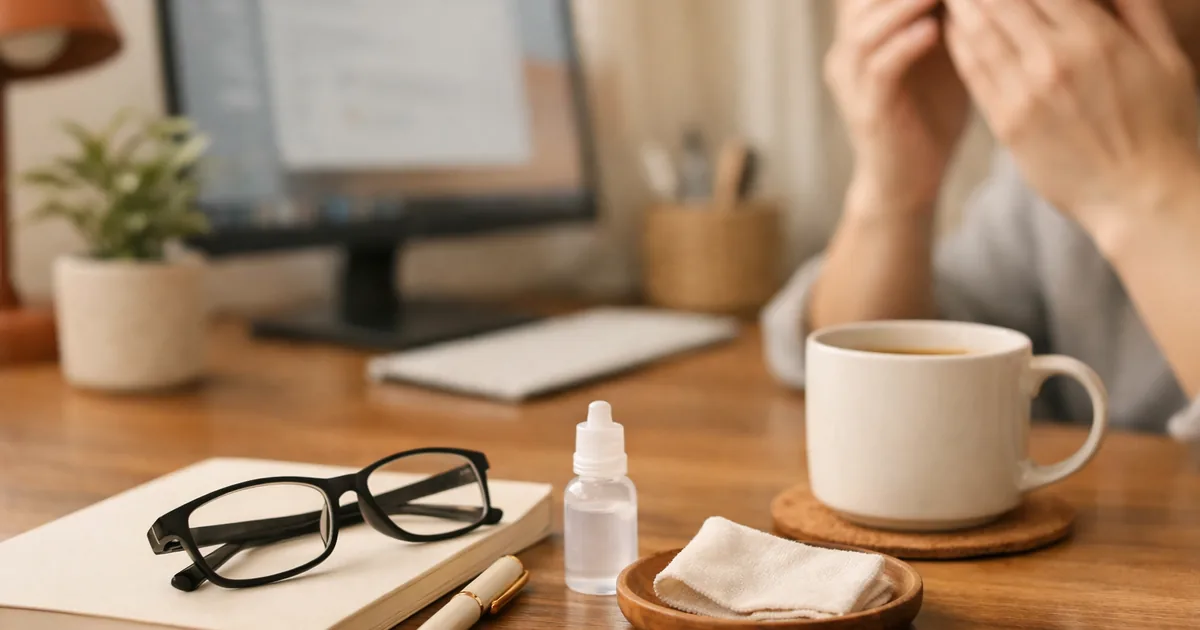
Gritty Eyes at a Screen — What Resolves, and What Means Go Now
The same dryness arrives by two routes: one clears after sleep, the other needs treating.
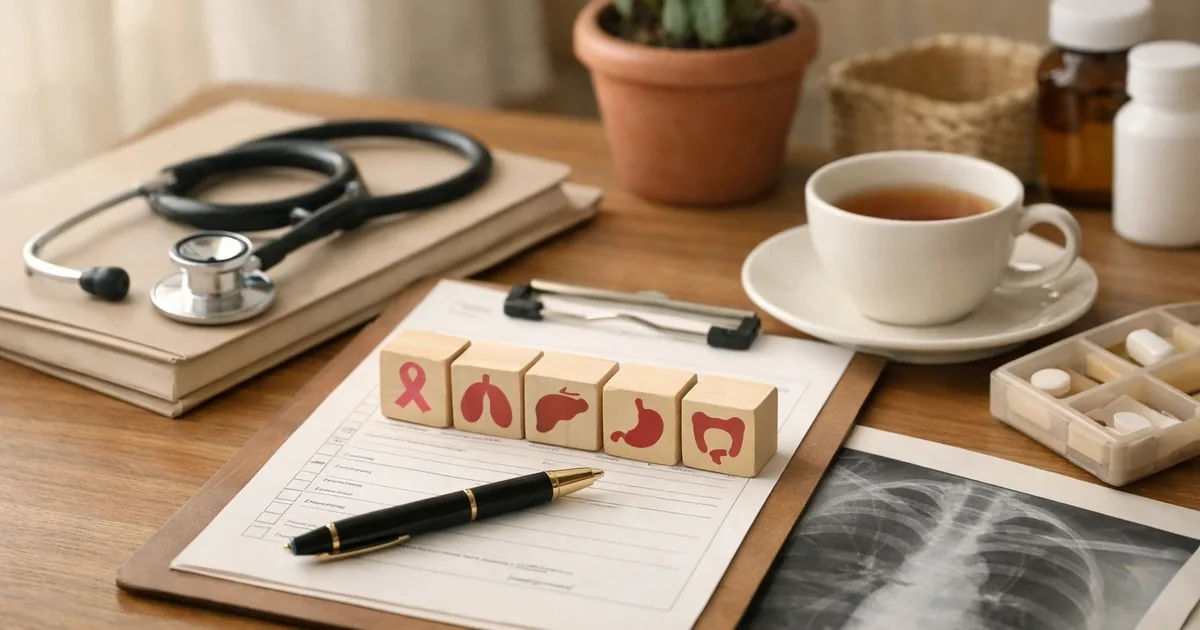
Three Start at Forty — Korea's National Cancer Screening by Age
Not a list of six cancers, but a single question: what starts at my age?
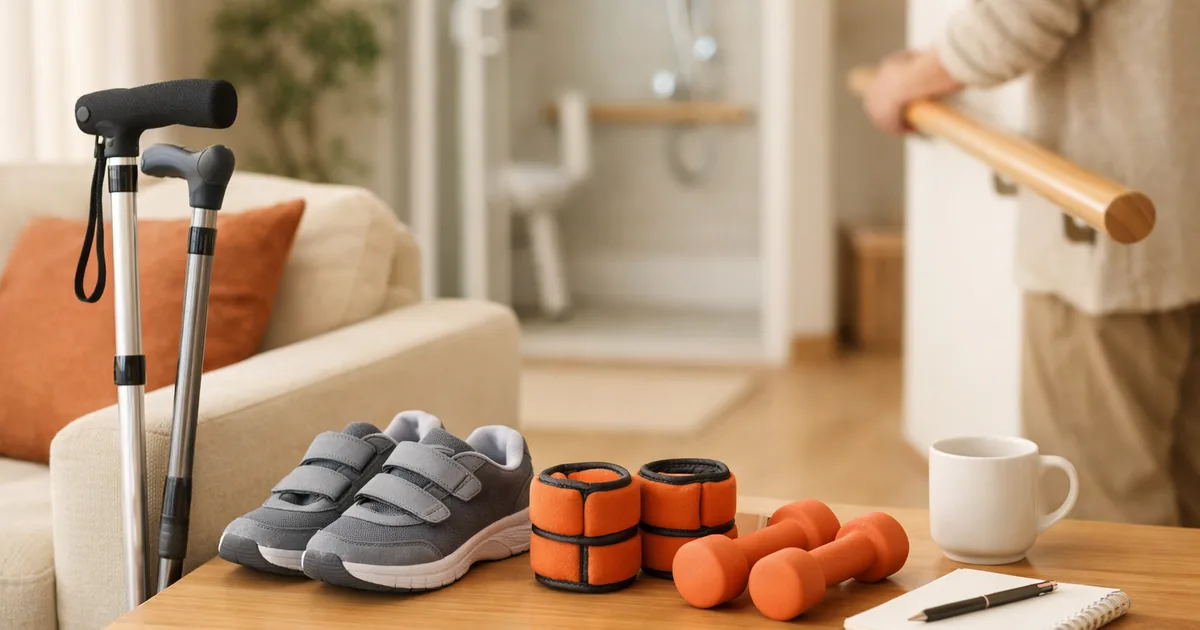
Older Adult Falls — The Damage Doesn't Require an Injury
From the CDC's January 2026 pages. More than one in four falls each year, and even an uninjured fall shrinks daily activity.
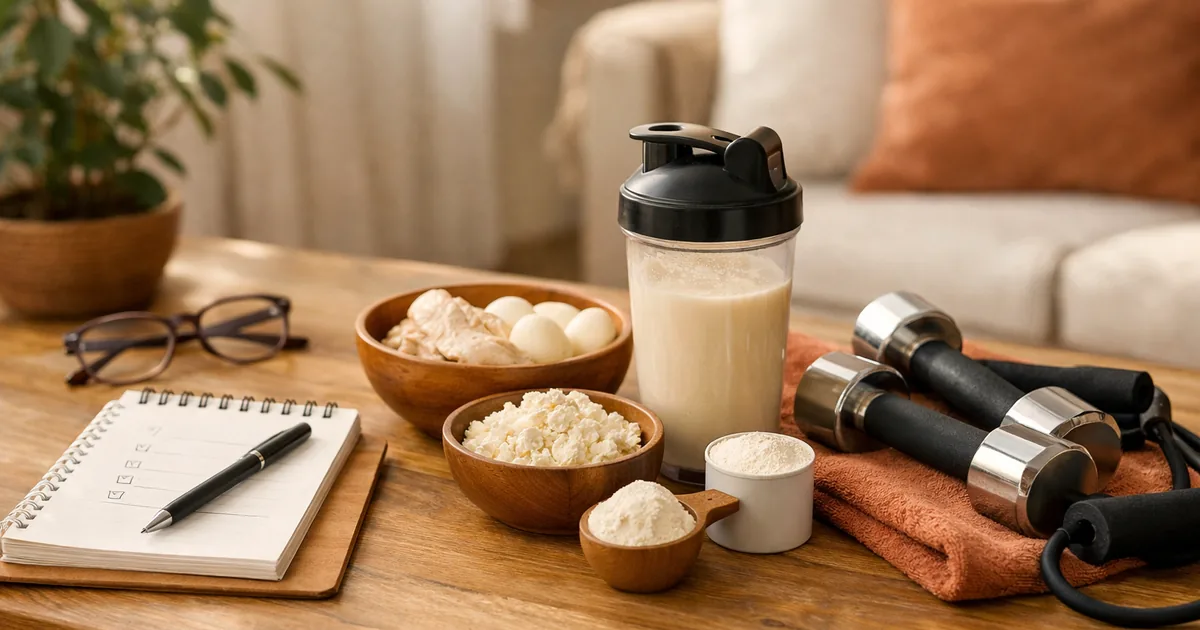
Sarcopenia — Muscle Peaks in Your Mid-Thirties, Not Your Sixties
The gradient changes at 65 for women and 70 for men. What to do during the thirty quiet years before that, from NIA source text.
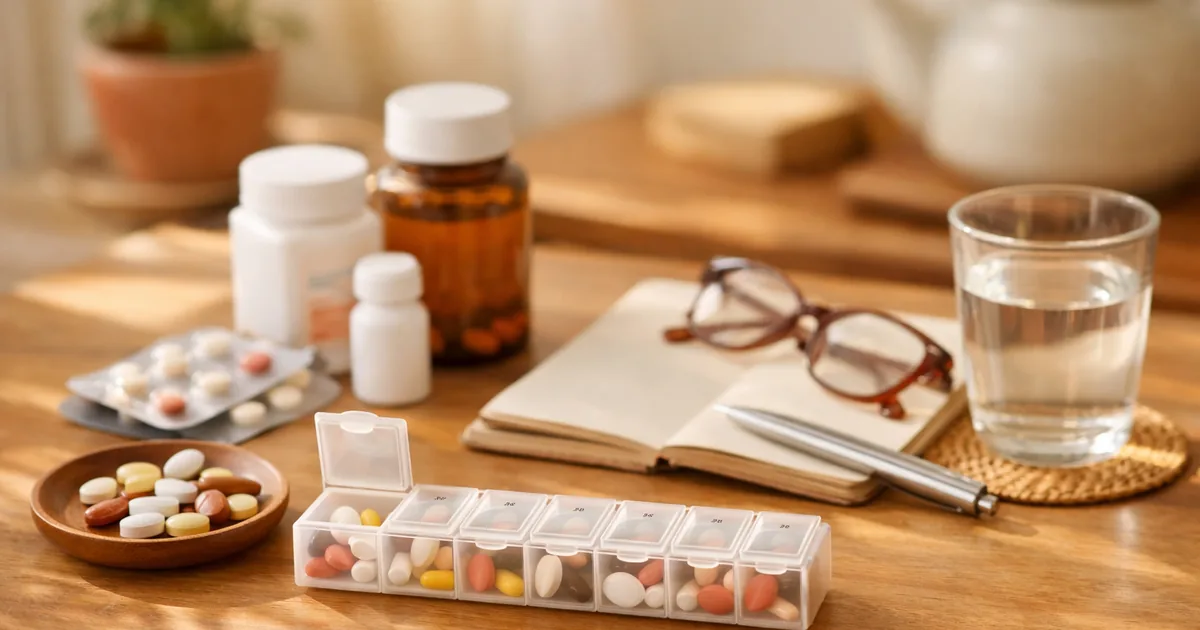
Polypharmacy — One in Three People in Their 60s and 70s Takes Five or More
Past five medicines the problem is the combination, not any one drug. Why falls are filed as a medication issue — and the one sheet of paper to bring.
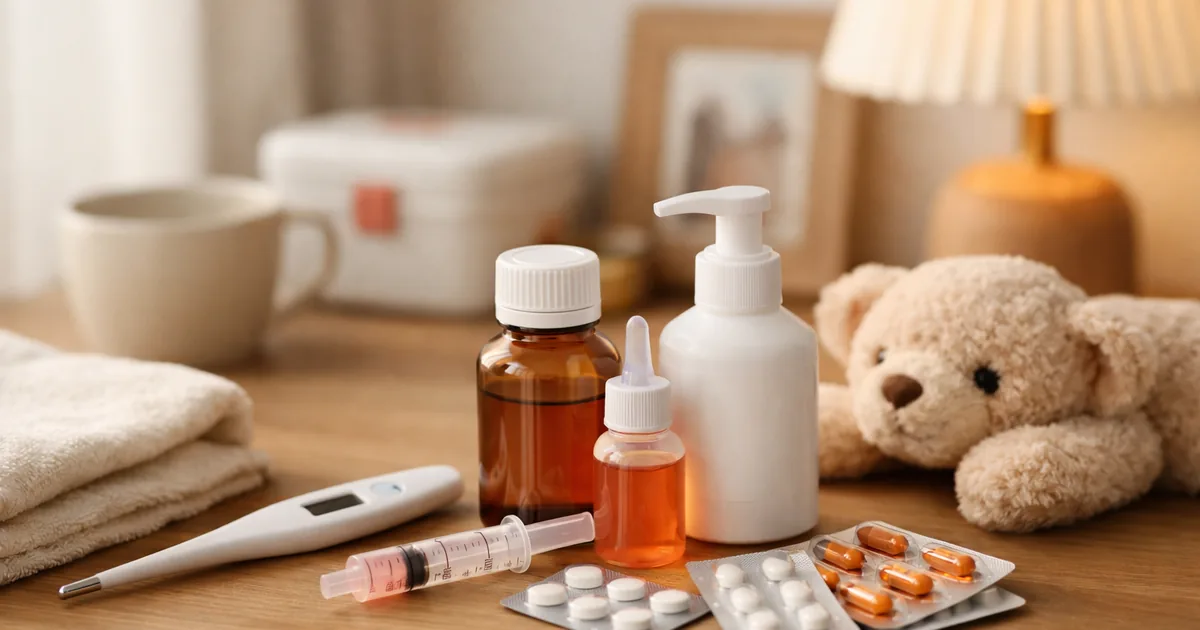
Infant Fever — the CDC Line Is “Any Fever Under 12 Weeks”
Stricter than the common “38°C under 3 months” rule. The full list of emergency warning signs, copied as written.
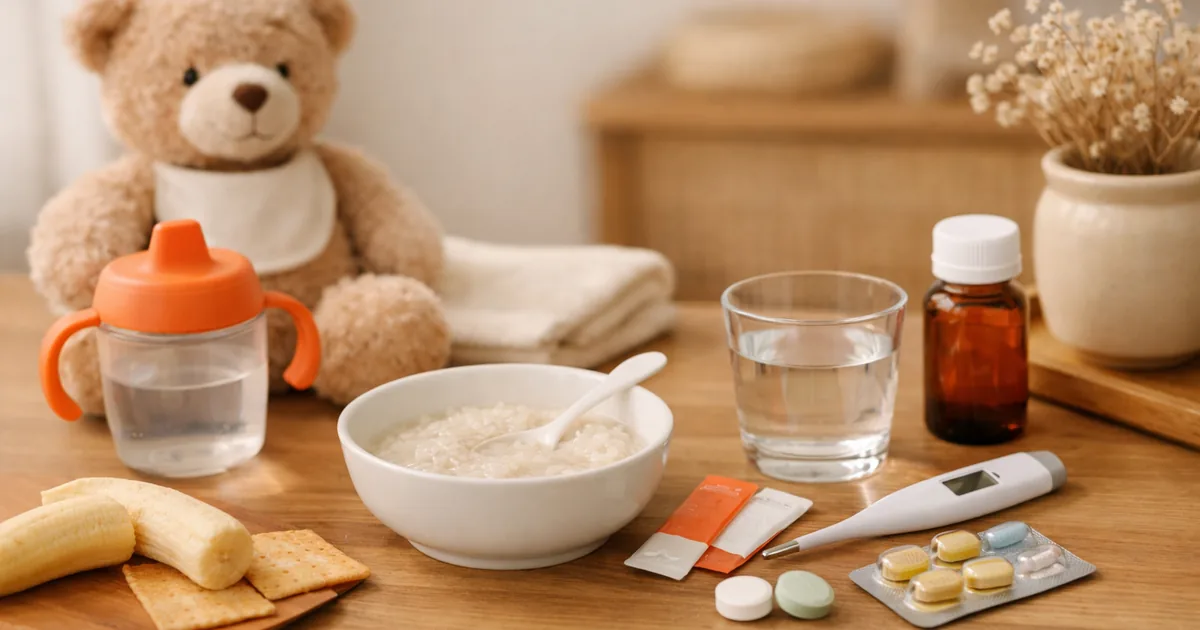
Baby Vomiting and Diarrhea — Contagious for 2+ Weeks After Recovery
The CDC's dehydration thresholds are countable: no urine for 8 hours, no tears when crying. And shedding outlasts the illness.
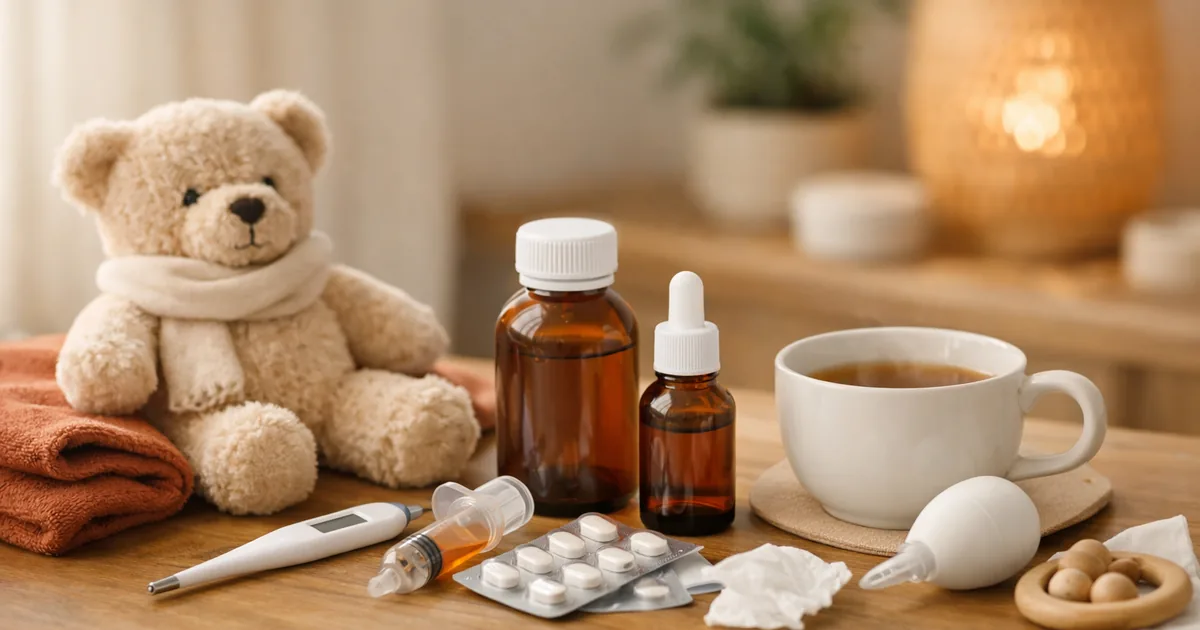
Baby Colds — the CDC Draws Three Different Age Lines
Honey at 1, lozenges at 4, OTC cough and cold medicine at 6. Not the single “under 2” rule in common use.

Sick or Injured Abroad — Two Korean Helplines to Save, One With an Emergency Physician 24 Hours, and What to Sort Out First (2026)
+82-44-320-0119 reaches a Korean emergency physician, in Korean, around the clock. Whether your medicines are allowed in is something only checkable before you go.
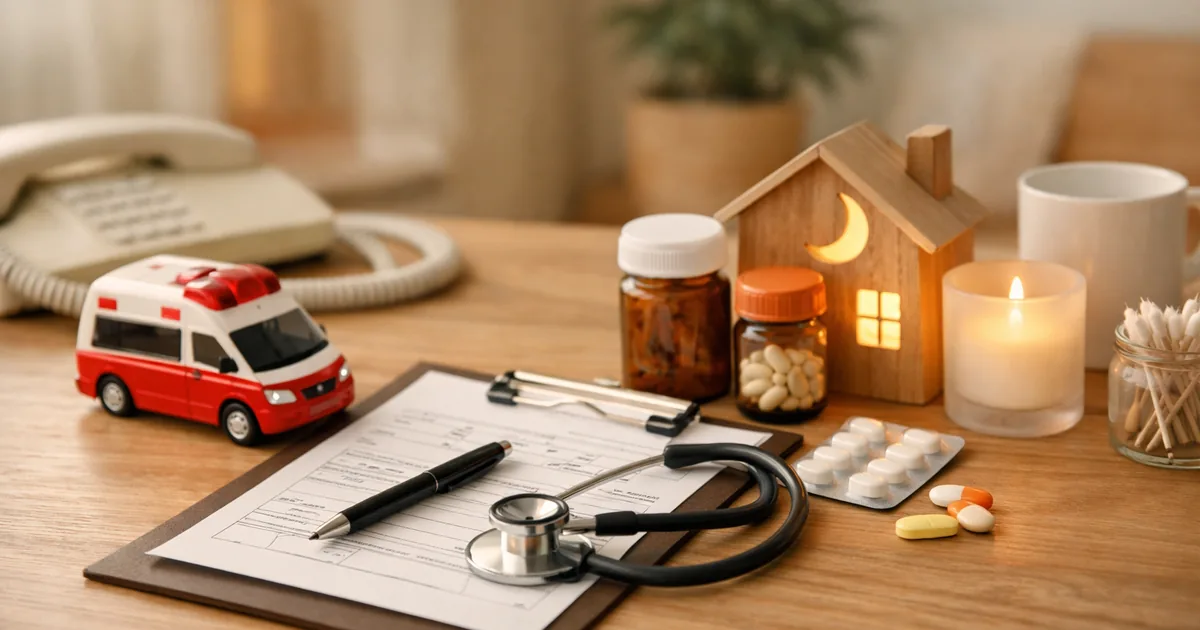
ER or Clinic? How Korea's Emergency System Works
The outpatient desk is open 46 hours of the 168 in a week. Counted in hours, being ill at night is not the exception.
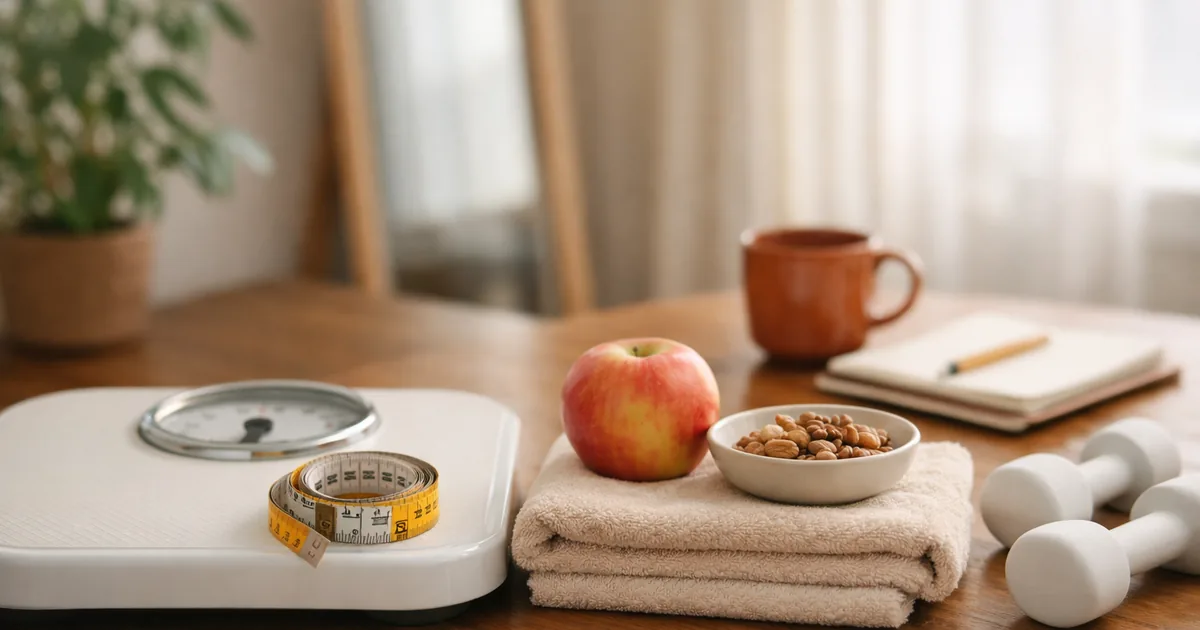
Is a BMI of 25.5 Obesity or Overweight? It Depends Where You Are
Three official tables side by side — Korea's NHIS, the WHO and the CDC. Two bands disagree, and that gap is the whole puzzle.
Diet Plateaus — the Answer Is Not Eating Less Still
The CDC says 150 minutes a week; Korea's NHIS says 200–300. The two serve different purposes, and a plateau calls for the second.
A Fasting Glucose of 108 Is Not Normal — The Full Prediabetes Table
Copied from the CDC table. Prediabetes opens at 100, and losing 5–7% of body weight cuts risk 58% — 71% over sixty.

Stroke Warning Signs — The Riskiest Moment Is When They Stop
Copied from four CDC pages. After a mini-stroke the 90-day risk runs as high as 17%, and the first week is the worst of it.
Thyroid Signals — a High TSH Means the Thyroid Is Running Low
The single most misread line on a thyroid report, from NIDDK originals. Nearly 5 in 100 Americans aged 12+ have hypothyroidism.
Your Check-up Report — the Kidney Line Is 60, Not 90
From NIDDK originals. And albumin can be leaking while urine protein still reads negative.