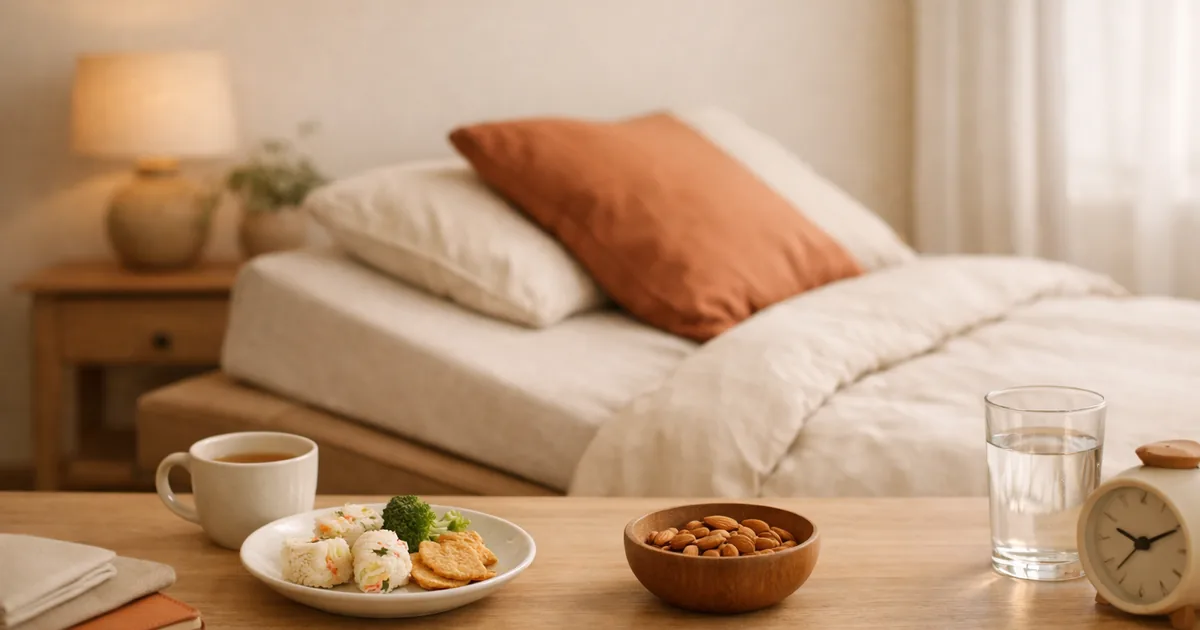
A burning chest after eating, or feeling full, bloated and burpy, may be indigestion. The NHS says most people have indigestion at some point, and it’s usually not a sign of anything more serious and you can treat it yourself. It suggests cutting down on tea, coffee, cola or alcohol, raising your head and shoulders in bed, and not eating 3 to 4 hours before bed, and says don’t take ibuprofen or aspirin unless prescribed. See a GP if you keep getting it, are in severe pain, have lost a lot of weight without meaning to, have difficulty swallowing, or have bloody vomit or poo. This sets out the NHS page “Indigestion”.
1. It’s usually not a sign of anything serious, and you can treat it yourself.
2. Cut down tea, coffee, cola and alcohol; raise your head in bed; don’t eat 3 to 4 hours before bed. No ibuprofen or aspirin unless prescribed.
3. Keep getting it, severe pain, weight loss, trouble swallowing, or blood in vomit or poo: see a GP.
Symptoms — NHS
The NHS lists heartburn (a painful burning feeling in the chest, often after eating), feeling full and bloated, feeling sick, and burping and farting. It’s common in pregnancy, and very common from 27 weeks onwards.
What causes it — NHS
| Group | What the NHS lists | Worth noting (ours) |
|---|---|---|
| Acid | Stomach acid irritating the stomach lining or throat | — |
| Food and drink | Coffee, tomatoes, alcohol, chocolate, fatty or spicy food | The foods this page names |
| Body | Being overweight, pregnancy | — |
| Habits | Smoking | — |
| Mind | Stress and anxiety | — |
| Medicines | Some medicines, including anti-inflammatory painkillers | Ties to the ibuprofen and aspirin row |
| Structure | A hiatus hernia | — |
What to do and not do at home — NHS
| Type | What the NHS says | Worth noting (ours) |
|---|---|---|
| Do | Cut down on tea, coffee, cola or alcohol | — |
| Do | Raise your head and shoulders in bed | — |
| Do | Lose weight if you’re overweight | — |
| Don’t | Eat 3 to 4 hours before bed | — |
| Don’t | Have rich, spicy or fatty foods | — |
| Don’t | Take ibuprofen or aspirin unless prescribed | Choosing a medicine: OTC medicine by symptom |
| Don’t | Smoke | — |
A pharmacist can recommend medicines such as antacids, alginates and proton pump inhibitors to ease burning or pain. Acid reflux is covered in heartburn, and a swollen tummy in bloating.
When to see a GP — NHS
| If | Where | Worth noting (ours) |
|---|---|---|
| You keep getting indigestion | GP | — |
| You’re in severe pain | GP | — |
| You’ve lost a lot of weight without meaning to | GP | — |
| You have difficulty swallowing | GP | — |
| You keep being sick | GP | — |
| You have iron deficiency anaemia | GP | — |
| It feels like there’s a lump in your stomach | GP | — |
| You have bloody vomit or poo | GP | — |
The NHS says there’s usually no need to see a GP about indigestion, and all of the rows above sit under “non-urgent: see a GP”. This page has no urgent or 999 list and doesn’t describe GP tests.
Checklist
- ☐ Cut down tea, coffee, cola and alcohol
- ☐ Don’t eat 3 to 4 hours before bed; raise your head in bed
- ☐ No ibuprofen or aspirin unless prescribed
- ☐ Ask a pharmacist about antacids and similar
- ☐ Keep getting it, severe pain, weight loss, trouble swallowing or blood: GP
The NHS table of stomach-ache causes by symptom is in our stomach ache post (stomach ache).
Questions that remain
Is heartburn different from indigestion?
The NHS lists heartburn as one symptom of indigestion. It covers acid reflux on a separate page, which we’ve set out in heartburn.
How long can I try pharmacy medicines?
This page doesn’t give a time. Its line is to see a GP if you keep getting indigestion.
Sources
- NHS — Indigestion — source (page shows: reviewed 5 May 2023, next review 5 May 2026 — the review date has passed and we quote the page as shown; checked 19 October 2026). Symptoms, 8 causes, 3 dos and 4 don’ts, pharmacist, 8 GP reasons.
- Not read. Korean agency guidance on indigestion; Korean drug classifications.
- What we added. The “worth noting” column and the Korean care gloss.
Where else to check
- A pharmacy — choosing an antacid or similar.
- Your GP or an internal medicine clinic — if it keeps coming back.
Written on 19 October 2026. The content is from the NHS; the glosses are ours.