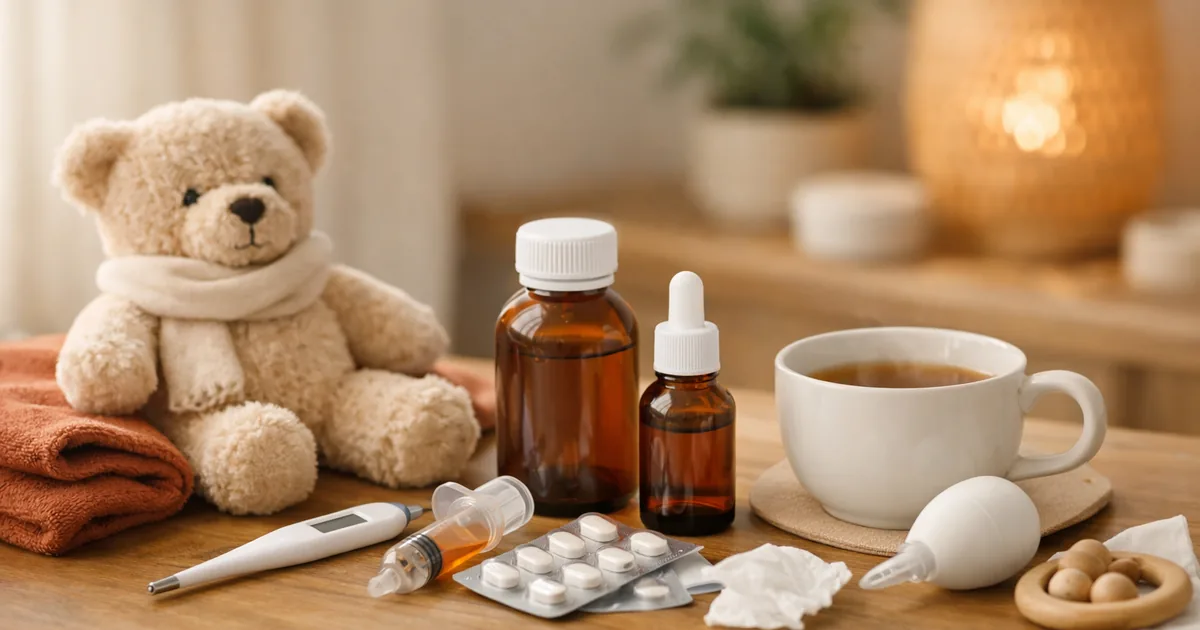
The cold seems gone, but the cough has lingered for weeks. The NHS says a cough usually clears up on its own within 3 to 4 weeks and that most are caused by a cold or flu. At home, rest and drink plenty of fluids; hot lemon and honey can have a similar effect to cough syrup — but not for babies under 1. Pharmacy cough medicines won’t stop a cough but may help you cough less. And if it lasts more than 3 weeks, see a GP. This sets out the NHS page “Cough”.
1. Usually gone in 3 to 4 weeks. Most come from a cold or flu.
2. Rest, plenty of fluids, hot lemon and honey (not under 1). Cough medicines help you cough less, not stop.
3. Over 3 weeks or unexplained weight loss: GP. Breathing trouble, coughing blood or chest pain: get help urgently.
How long, and why — NHS
The NHS says a cough usually clears up on its own within 3 to 4 weeks. Most are caused by a cold or flu; other causes include smoking, heartburn (acid reflux), allergies such as hay fever, infections such as bronchitis or COVID-19, and mucus dripping down the throat. A cough is rarely a sign of something serious like lung cancer, it adds.
Heartburn on the list of cough causes may be a surprise. Habits that reduce it are in heartburn and acid reflux.
What to do at home — NHS
| Area | What the NHS says | Worth noting (our gloss) |
|---|---|---|
| Rest and fluids | Rest and drink plenty of fluids | — |
| Stay home | With a high temperature or if too unwell for normal activities, stay at home and avoid contact with others | — |
| Painkillers | Paracetamol or ibuprofen to ease pain | — |
| Lemon and honey | Hot lemon and honey — can have a similar effect to cough syrup; not for babies under 1 | The page notes limited evidence |
| Herbal | Pelargonium herbal medicine for ages 12 and over | Not checked for sale in Korea |
Coughs and colds in babies and children are in baby cough and cold; how much to drink is in daily water intake.
At the pharmacy — NHS
You can ask a pharmacist about cough syrup, cough medicine and cough sweets, the NHS says, and it is clear that these will not stop your cough, but may help you cough less. Some cough medicines should not be given to children under 12. We haven’t matched product names sold in Korea, so tell the pharmacist the age and ask.
When to get help — NHS
| Where | When | Worth noting (our gloss) |
|---|---|---|
| GP | A cough for more than 3 weeks (persistent cough) · losing weight for no reason · a weakened immune system, for example from chemotherapy or diabetes | The lower end of “3 to 4 weeks” |
| Urgent (GP or NHS 111) | Very bad or quickly worsening cough (cannot stop coughing) · feeling very unwell · chest pain · swollen, painful side of the neck · hard to breathe · coughing up blood | In Korea, judge ER or 119 |
NHS 111 is the UK’s medical helpline. The page we read has no separate 999 list. Choosing between A&E and a clinic is covered in ER vs local clinic.
Checklist
- ☐ Rest and plenty of fluids
- ☐ Lemon and honey only from age 1
- ☐ Check the age on cough medicines — some not under 12
- ☐ Over 3 weeks or weight loss: GP
- ☐ Breathing trouble, blood or chest pain: urgent help
Questions that remain
Will antibiotics speed it up?
The NHS cough page we read doesn’t list antibiotics among things to do; it says most coughs come from colds or flu. Antibiotics for a sore throat are discussed in sore throat.
What if it lasts over 8 weeks?
This page uses “more than 3 weeks” as the GP threshold. An 8-week figure isn’t on the page we read.
If a cough came with sudden fever and aches, see the CDC cold-versus-flu comparison — flu starts abruptly and fever lasts 3 to 4 days (cold or flu).
Sources
- NHS — Cough — source (page shows: reviewed 8 December 2023, next review 8 December 2026; checked 12 October 2026). 3 to 4 weeks, causes, rest, fluids, lemon and honey (not under 1), pelargonium (12+), pharmacy medicines and under-12s, 3 GP reasons, 6 urgent signs.
- Not read. Korean agency guidance on coughs; Korean product classifications.
- What we added. The “worth noting” column.
Where else to check
- A pharmacist — age-appropriate cough medicines.
Written on 12 October 2026. The content is from the NHS; the glosses are ours.