Wood stoves at campsites, fireplaces in country houses, gas fireplaces in living rooms — open-flame heating season is here. The US Fire Administration (USFA) says heating was the second leading cause of home fires in 2021, with about 32,200 home heating fires reported to US fire departments that year, about 190 deaths and 625 injuries. For fireplaces and wood stoves it gives five short rules: keep anything that can burn 3 feet away, don’t burn paper, put the fire out before sleeping or leaving, have the chimney inspected every year, and put ashes in a lidded metal container outside at least 10 feet from the home. This sets out the USFA “Fireplace and Wood Stove Safety” card with its heating fire guidance.
1. Anything that can burn at least 3 feet (about 0.91 m) from the fireplace or wood stove — and no paper.
2. Fire out before sleep or leaving home; chimney cleaned and inspected every year.
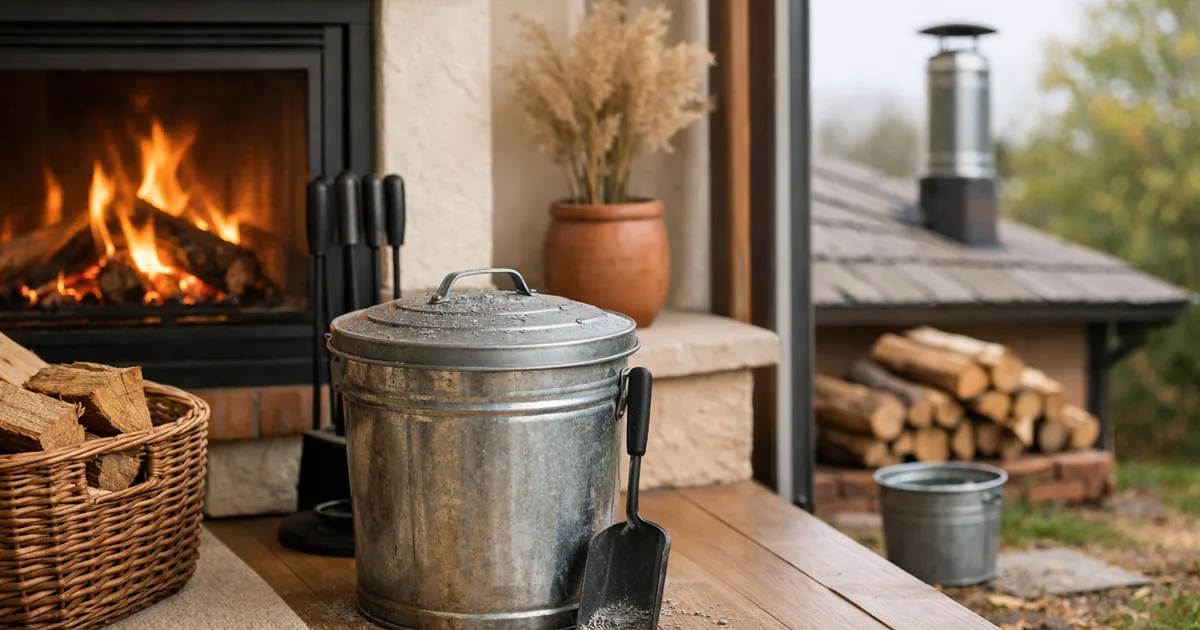
3. Ashes in a lidded metal container, outside, at least 10 feet (about 3 m) from the home.
The numbers — USFA (US)
| Type | What the source says | Worth noting (ours) |
|---|---|---|
| Rank | Heating was the second leading cause of home fires in 2021, trending down since the early 1980s | Cooking, the first, is in cooking fire safety — USFA cooking page |
| 2021 home heating fires | About 32,200 reported, about 190 deaths, 625 injuries, $442 million in property loss | About 88 a day over 365 days (our sum) |
| Portable heaters | Only 3% of home heating fires a year (2017–2019) but 41% of fatal home heating fires | Rare, but deadly when they happen (our reading) |
| Season | Half of home heating fires happen in December, January and February | Winter infographic — no year given |
| Share | 1 in every 7 home fires and 1 in every 5 home fire deaths involve heating equipment | Same infographic — no year given |
Rules for portable electric and kerosene heaters are in space heater safety. This page covers fireplaces and wood stoves with real flames.
Both fireplaces and wood stoves — USFA card
| Type | What the source says | Worth noting (ours) |
|---|---|---|
| Distance | Anything that can burn at least 3 feet away | 3 ft ≈ 0.91 m (ours). Log piles, rugs, curtains and sofas too |
| Paper | Don’t burn paper in a fireplace or wood stove | The USFA handout says the same — embers fly easily (our note) |
| Put it out | Put the fire out before going to sleep or leaving home | No “leave it low” exception |
| Chimney | Have it inspected and cleaned every year by a professional | The infographic says chimneys and vents, every year |
| Ashes | In a metal container with a lid, outside, at least 10 feet from the home | Infographic: cooled ashes, also 10 feet from nearby buildings. 10 ft ≈ 3.05 m (ours) |
Fireplace only, wood stove only — USFA card
| Type | What the source says | Worth noting (ours) |
|---|---|---|
| Fireplace — screen | A glass or metal screen in front to stop embers or sparks jumping out | — |
| Fireplace — switch | Fireplace “on” switches and remotes out of children’s reach | Gas fireplaces (our note) |
| Wood stove — testing | Tested by a qualified testing laboratory | In Korea, look for the KC mark (our pointer — Korean rules not read) |
| Wood stove — doors | Keep the doors closed unless loading or stoking the fire | — |
Other heating rules alongside — USFA
| Type | What the source says | Worth noting (ours) |
|---|---|---|
| Oven | Never use an oven to heat your home | The CDC power outage page says the same about gas ranges and ovens |
| Furnace | Inspect it every year; keep flammables away | USFA handout |
| Outlets | Only one heat-producing appliance per outlet at a time | Winter infographic |
| CO alarms | Install them and test at least once a month | Symptoms are in the CO poisoning page |
At a campsite wood stove — our note
The USFA rules are written for fireplaces and wood stoves at home, but in Korea wood stoves turn up most at campsites and in country houses. Three of the five rules carry straight over: 3 feet clear, fire out before sleep, and ashes in a metal container well away. Ashes can hold live embers after they look dead, which is how we read the USFA wording of “cooled” ashes in a “lidded” container (our reading). Any fire in an enclosed space such as a tent also brings carbon monoxide risk — see carbon monoxide poisoning symptoms.
Checklist
- ☐ 3 feet (about 0.91 m) clear around fireplace or stove
- ☐ No paper on the fire
- ☐ Fire out before sleep or leaving
- ☐ Chimney inspected and cleaned every year
- ☐ Cooled ashes in a lidded metal can, 10 feet (about 3 m) from the home
- ☐ Glass or metal screen; gas fireplace remotes out of reach
- ☐ CO alarm tested monthly
Questions that remain
Can ashes go in a plastic bag or cardboard box?
The USFA says only “a metal container with a lid” and gives no exception for other materials.
Should the chimney be checked before winter?
The card says “each year” without a season. Doing it before the burning season is our suggestion.
Is 32,200 a Korean figure?
No. It is the US estimate of fires reported to fire departments in 2021. We didn’t check Korean figures.
Sources
- US Fire Administration (USFA) — Fireplace and Wood Stove Safety (card) — source (no date on the card; checked 22 October 2026). Five general rules (3 feet, paper, put it out, chimney yearly, ashes in a metal container 10 feet away), fireplace screen and switches, wood stove testing and doors.
- USFA — Heating Fire Safety — source (reviewed 4 May 2023; checked 22 October 2026). Second leading cause in 2021; 32,200 fires, 190 deaths, 625 injuries, $442 million; portable 3% and 41% (2017–2019); no oven heating.
- USFA — Put a Freeze on Winter Fires (infographic) and Heating Fire Safety (handout) — infographic · handout (no dates shown). Half in December to February; 1 in 7 and 1 in 5; cooled ashes; one appliance per outlet; monthly alarm tests; furnace checks.
- Not read. Korean installation rules for fireplaces and wood stoves; NFPA source data.
- What we added. The “worth noting” column and the Korean everyday gloss.
Where to check further
- The product manual — clearances and fuel for wood stoves and gas fireplaces.
- Your local fire service — home fire prevention in Korea.
Written on 22 October 2026. The content is from the source; the glosses are ours.