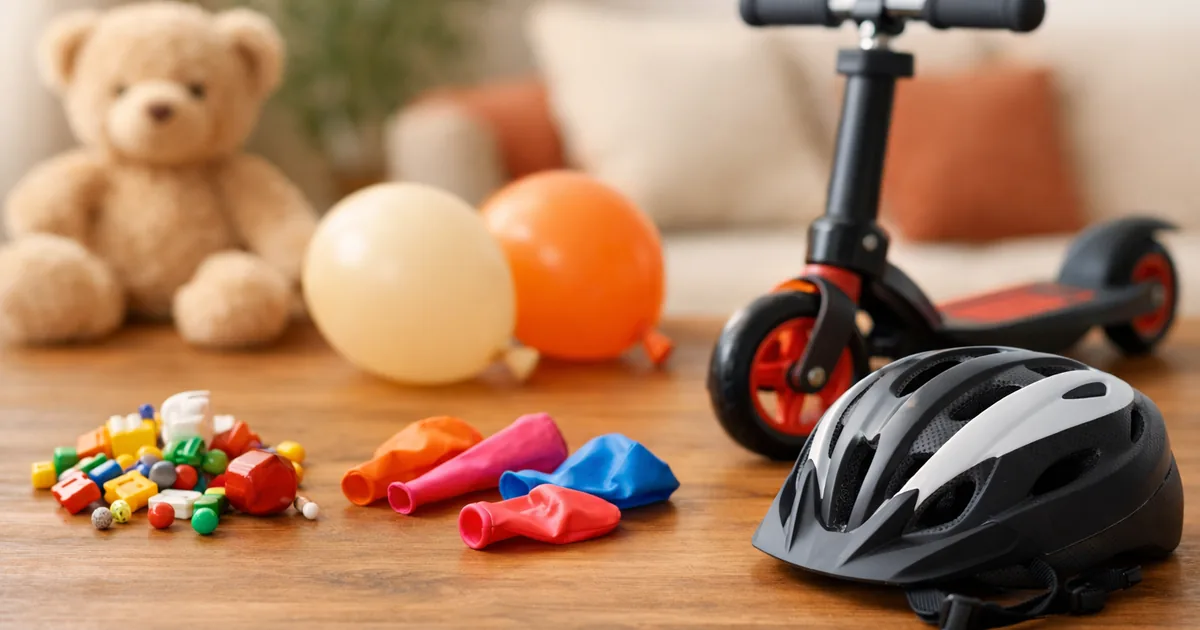
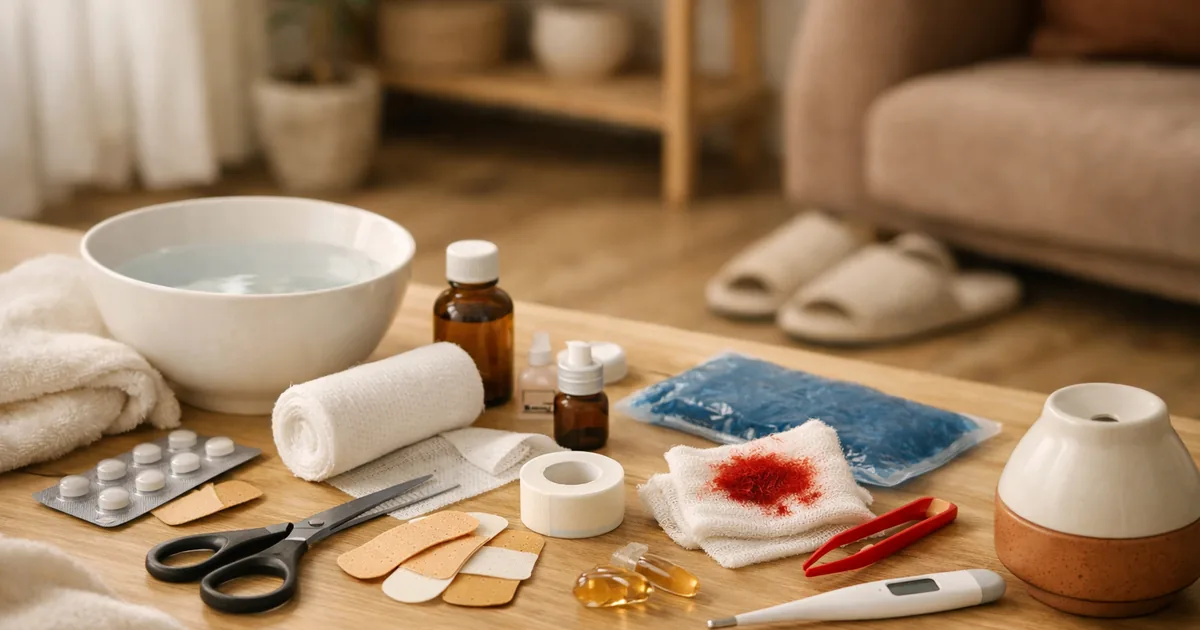
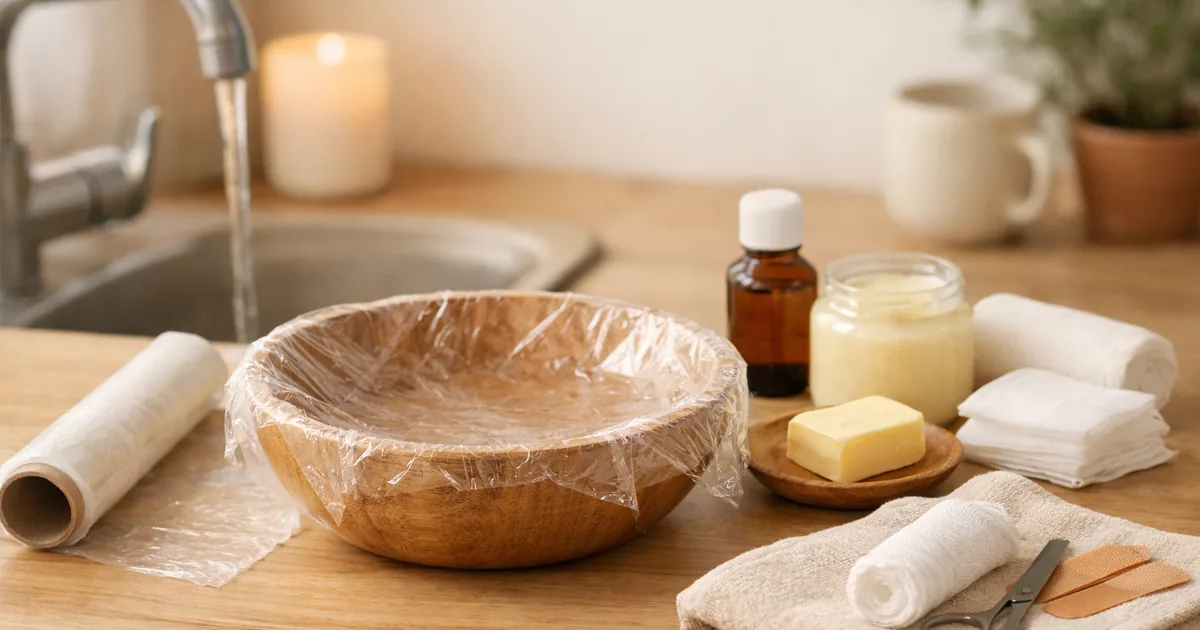
Squishy toys — the soft, slow-rising toys children love to squeeze — are a popular holiday gift. In a consumer safety alert on 5 August 2026, the US Consumer Product Safety Commission (CPSC) warned that fake and counterfeit squishy toys may not meet federal children’s toy safety requirements, and repeated its warning that a viral social media trend of microwaving squishy toys can cause serious burns. CPSC says it found 55 shipments of violative squishy toys at US ports and, with US Customs and Border Protection, kept 355,683 units out of the country. Water beads or gels inside can escape through a tear and be swallowed, and the sticky filling of a heated, burst toy clings to skin and keeps transferring heat. Pick the condition of a toy you have in the checker below to count the “stop using” signs CPSC lists.
1. Never microwave or intentionally heat them — and keep them out of hot cars, long sunlight and away from heaters. A burst toy can burn badly.
2. Unknown maker, missing safety information, strong chemical smell, oily or sticky feel, leaking or tearing easily: stop using it — CPSC alert, 5 August 2026.
3. For a burn, cool it under running water for at least 20 minutes, no ice — get care for a severe burn or a young child.
Checker
Updates as you choose. The first five boxes are the signs the source says mean “stop using”, the next two are what it says to check when buying, and the last is the heat warning. Counting and grouping the signs is our arrangement; the source gives no score.
Why fake squishies are dangerous — CPSC
| Hazard | What the source says | Worth noting (our gloss) |
|---|---|---|
| Water beads and gels | If the outer covering tears, children can reach the beads or gel. Swallowed water beads can expand and block the intestine; in the nose or ear they can cause choking, aspiration or injury | The beads themselves are covered in water beads (CPSC) |
| Unknown fillings | Chemical exposure, inhalation or ingestion hazards | A strong smell or oily feel is a stop sign in the source |
| Counterfeit defects | May break in normal use, contain excessive lead or prohibited phthalates, lack required warnings and maker details, and skip required testing and certification | A fake can look like the real thing on the outside |
| Heat and burns | Toys left in the sun, in hot cars or near heaters can burst and cause severe burns; the sticky filling keeps transferring heat and worsens the injury | In winter, that means next to the heater (our gloss) |
CPSC says the online demonstrations of toys expanding, changing texture or bursting when heated “should never be attempted or imitated”. The swelling may look like fun in a video; what the source warns about is the burst and the burn that follow.
When buying — how to screen out fakes
- Buy from reputable retailers and verified sellers — be wary of prices far below established retailers.
- Check the packaging — misspellings, poor printing, missing maker or importer details or safety warnings.
- Check the toy — stop using it if the maker is unknown, required safety information is missing, it smells strongly of chemicals, feels oily or sticky, leaks or tears easily.
The source lists these signs without saying how many make a fake. The checker’s five “stop using” boxes follow the source’s one sentence on when to stop (unknown maker, missing safety information, strong chemical smell, oily or unusually sticky, leaking, tearing easily — leaking and tearing share a box), and the two “when buying” boxes follow its packaging (misspellings, poor printing) and price paragraphs (our arrangement). After rereading the original on cpsc.gov on 16 November 2026 we moved “no maker or importer details, or no warnings” from the buying group, where the first version had it, to the stop-using group.
The numbers — what was stopped at the border
CPSC says it identified 55 shipments of violative squishy toys at US ports and, with US Customs and Border Protection (CBP), prevented 355,683 units from entering the country. That averages about 6,467 units a shipment (355,683 ÷ 55, our sum — the source does not give per-shipment figures). The CPSC Water Beads Information Center lists squishy toy recalls by ABC Trading, LLK Trading (Mochi Malrang Mystery Dumpling Toys) and Toyworld168 (Rainbow Mystery Squishy Bun Toys), and a warning to stop using Ivyapingdianpu’s Squishy Bun Toys, which violate the mandatory water bead standard.
If a burn happens — CPSC
| Step | What the source says | Worth noting (our gloss) |
|---|---|---|
| 1. Cool | Under running water for at least 20 minutes; no ice | The same 20 minutes as NHS burn first aid |
| 2. Wash | Gently, with mild soap | The source does not say to pull off stuck filling |
| 3. Cover | A nonstick sterile dressing | As written in the source |
| 4. Get care | For a severe burn, a burn on a young child, or signs of infection | In Korea, 119 or an emergency department (our addition) |
Full burn first aid is in burns and scalds first aid, and how fast hot water causes third-degree burns is in tap water scalds (CPSC).
Trying the checker — our example
If a squishy you were given smells strongly of chemicals and feels sticky, that is 2 “stop using” signs, and the verdict is to stop using it. If it has no smell or stickiness but the packaging has misspellings and it was unusually cheap, there are 0 stop signs and 2 possible-fake signs, so the result says to check the seller and packaging again. If the packaging has no maker details or warnings at all, that falls under the source’s “lacks required safety information” and counts as a stop sign. The checker only picks out the source’s own sentences; it cannot tell you whether a toy is genuine.
Checklist
- ☐ Never put them in a microwave or oven, or heat them on purpose
- ☐ Keep them out of hot cars, long sunlight and away from heaters
- ☐ Throw out any with an unknown maker, strong smell, oily or sticky feel, leaks or easy tears
- ☐ Keep bare skin off heated or burst filling
- ☐ Keep toys with small or swallowable parts away from young children
- ☐ When buying, check the seller and packaging (spelling, maker details, warnings)
Questions that remain
Is it fine to heat a genuine squishy?
No. The source tells people never to microwave or intentionally heat squishy toys, not just fakes.
Does this apply to toys bought in Korea?
This article covers only the US CPSC alert. We have not read Korean children’s product safety certification, or Korean squishy recalls and burn statistics.
At what temperature do they burst?
The source gives no bursting temperature or heating time, and we have not estimated one.
Sources
- US Consumer Product Safety Commission (CPSC) — Consumer Safety Alert: CPSC Warns Consumers About Fake and Counterfeit Squishy Toys; Reiterates Warning About Serious Burn Hazards — source (5 August 2026, release number 26-684, cpsc.gov newsroom; checked 16 November 2026 — the first version cited a copy of the same release distributed by CPSC). Fakes and counterfeits, the microwave trend, water beads and gels, unknown fillings, lead and phthalates, heat and burns, 55 shipments and 355,683 units, buying, checking and stopping use, 20 minutes, no ice, dressing, care.
- CPSC — Water Beads Information Center — source (checked 16 November 2026). Three squishy toy recalls and a stop-using warning.
- Not read. The individual recall notices (units, incident counts), per-shipment figures, the lead and phthalate rule texts, bursting temperatures, US squishy burn statistics, Korean children’s product certification, recalls and statistics.
- What we added. The “worth noting” column, the checker that counts the signs in two groups, the per-shipment average (our sum), the example and the Korean 119 note.
Where to check further
- Emergency services or the nearest emergency department — for a severe burn, or if a child swallows the filling.
- The seller or maker — maker and importer details and safety certification.
Written on 16 November 2026. The content is from the source; the glosses are ours.