Always low on energy, short of breath after a little effort, and paler than usual — that can be iron deficiency anaemia. The UK National Health Service (NHS) calls it the most common type of anaemia and says a GP will usually check your red blood cells with a full blood count (FBC). Once the cause is found and the count is low, you take iron tablets for about 6 months; orange juice after a tablet may help absorption, while large amounts of tea, coffee and milk make it harder. Here are the NHS symptoms, tests, how to take the tablets, side effects, foods, causes and risks if untreated.
1. Symptoms: tiredness and lack of energy, shortness of breath, palpitations, pale skin, headaches. If you suspect it, a GP blood test (FBC).
2. Iron tablets for about 6 months. Keep taking them even with side effects — taking them with or soon after food may help.
3. Keep iron tablets away from children — an overdose in a young child can be fatal.
Symptoms — NHS
| Type | What the NHS says | Worth noting (ours) |
|---|---|---|
| Common | Tiredness and lack of energy, shortness of breath, noticeable heartbeats (palpitations), paler than usual skin, headaches | — |
| Less common (ears, mouth) | Ringing, buzzing or hissing in your head (tinnitus), food tasting strange, a sore tongue, painful sores in the corners of the mouth | The NHS says these are not usually connected to pregnancy |
| Less common (body) | Feeling itchy, hair loss (more coming out when brushing or washing), difficulty swallowing, nail changes such as spoon-shaped nails, restless legs syndrome | — |
| Pica | Wanting to eat non-food items such as paper or ice | — |
Appointment and tests — NHS
| Type | What the NHS says | Worth noting (ours) |
|---|---|---|
| When | See a GP (non-urgent) if you think you might have it | In Korea, a local clinic (internal or family medicine) |
| Questions | Your lifestyle and medical history | — |
| Blood test | A full blood count (FBC) checks red blood cells; no preparation needed | The same test also checks for other types such as vitamin B12 or folate deficiency anaemia |
| If the cause isn’t clear | Other tests such as a faecal immunochemical test (FIT) for blood in poo; referral to a specialist | — |
The haemoglobin figure from Korea’s national health check and anaemia figures for women are in anaemia testing.
Treatment — taking iron tablets (NHS)
| Type | What the NHS says | Worth noting (ours) |
|---|---|---|
| Cause first | Once the cause is found (for example an ulcer or heavy periods), the GP recommends treatment | Treat the cause too |
| Tablets | If the red blood cell count is low, iron tablets replace the missing iron | — |
| How long | About 6 months | 6 months ≈ 180 days or so (our sum) |
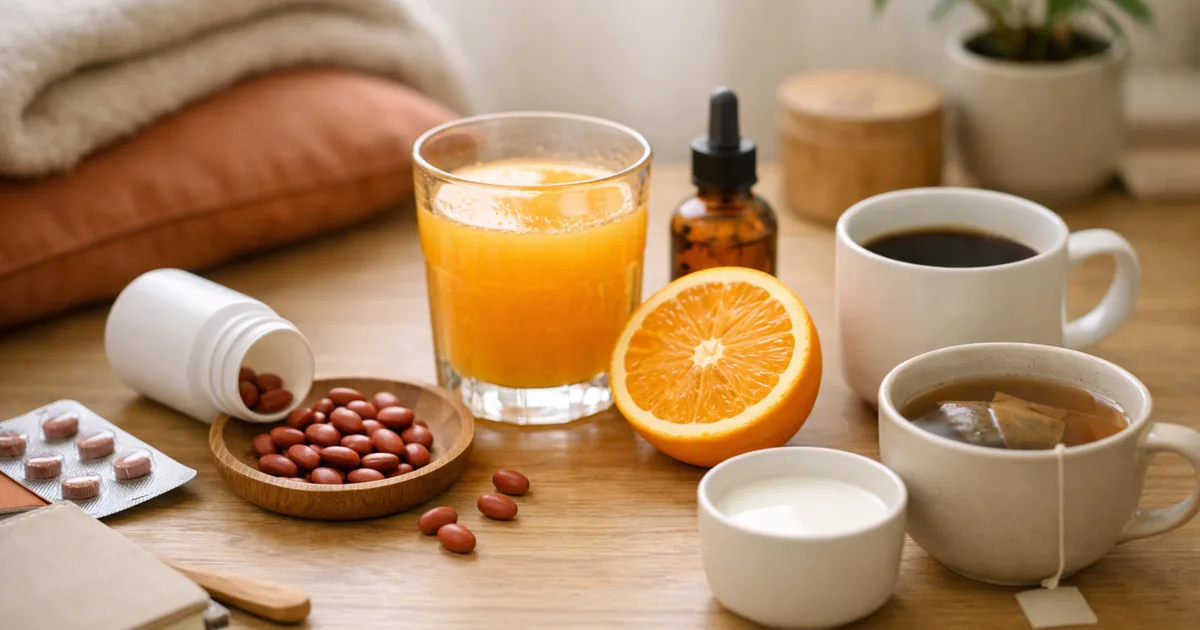
| Absorption | Orange juice after a tablet may help; follow your GP’s advice on how to take them | — |
| Side effects | Constipation or diarrhoea, tummy pain, heartburn, feeling sick, darker than usual poo | — |
| Easing them | Try taking them with or soon after food; it’s important to keep taking them even with side effects | — |
| Re-testing | Repeat blood tests over the next few months may check your iron is returning to normal | — |
| Children | Keep iron tablets out of children’s reach. An overdose in a young child can be fatal | — |
Food — NHS
If your diet is partly the cause, your GP will tell you which foods are rich in iron. You might be referred to a specialist dietitian if it’s hard to get iron into your diet.
| Type | What the NHS says | Worth noting (ours) |
|---|---|---|
| Eat more | Dark-green leafy vegetables (watercress, curly kale), fortified cereals and bread, meat, dried fruit (apricots, prunes, raisins), pulses (beans, peas, lentils) | On a Korean table, leafy greens like spinach, tofu and beans (our examples — not on the NHS list) |
| Eat and drink less | Tea, coffee, milk and dairy, foods high in phytic acid such as wholegrain cereals | Large amounts stop iron being absorbed from food and tablets |
Causes — NHS
| Type | What the NHS says | Worth noting (ours) |
|---|---|---|
| Very common | Heavy periods and pregnancy; heavy periods can be treated with medicine | In pregnancy it’s most often a lack of iron in the diet |
| Bleeding in the gut | NSAIDs such as ibuprofen and aspirin, stomach ulcers, inflammation of the bowel or food pipe, piles, bowel or stomach cancer (less common) | Any other blood loss can also lead to it |
If it isn’t treated — NHS
A lack of iron affects the immune system, so you may be more at risk of illness and infection. It may raise the risk of heart or lung complications such as an abnormally fast heartbeat (tachycardia) or heart failure, and, in pregnancy, of complications before and after birth, says the NHS.
Checklist
- ☐ Tired, breathless, palpitations, pale: GP blood test (FBC)
- ☐ Find the cause too (heavy periods, ulcers, NSAIDs and so on)
- ☐ Iron tablets for about 6 months, orange juice afterwards
- ☐ Ease side effects by taking them with or after food; don’t stop
- ☐ Not too much tea, coffee or milk
- ☐ Iron tablets out of children’s reach
Questions that remain
My poo is darker — is that normal?
The NHS lists darker than usual poo as a side effect of iron tablets. It also lists gut bleeding as a cause of iron deficiency anaemia, so talk to a GP if you’re worried.
Can I stop once I feel better?
The NHS says about 6 months, with repeat blood tests over the following months to check your iron is back to normal. Follow your GP on when to stop.
Can I take them with thyroid tablets?
The NHS levothyroxine page lists iron supplements among things that may not mix well. See underactive thyroid and ask a doctor or pharmacist.
Sources
- NHS — Iron deficiency anaemia — source (page shows: reviewed 26 January 2024, next review due 26 January 2027; checked 4 November 2026). Five common and ten less common symptoms, GP appointment, FBC and FIT, iron tablets (about 6 months, orange juice, five side effects, danger to children), five foods to eat more and four to cut down, causes, risks if untreated.
- Not read. Iron tablet doses; the pregnancy anaemia pages; Korean anaemia guidance.
- What we added. The “worth noting” column and the Korean care gloss.
Where to check further
- A local clinic — blood tests and finding the cause.
- A gynaecologist — when heavy periods are the cause.
Written on 4 November 2026. The content is from the NHS; the glosses are ours.