If your face suddenly flushes with heat, you wake at night in a sweat, and irritability or low mood arrives for no clear reason — these can be signs of menopause (and the transition before it). It's a natural stage every woman passes through, and understanding what's happening makes it far easier to manage. Here's a plain guide to the symptoms, self-care, and hormone therapy.
What menopause is
Menopause is the stage when the ovaries wind down and estrogen drops sharply. It usually begins around ages 45–55, and you're considered postmenopausal once you've gone 12 months without a period.
| Stage | When | Features |
|---|---|---|
| Perimenopause | 2–8 years before | Irregular cycles, symptoms begin |
| Menopause | 12 months after last period | Official diagnosis |
| Postmenopause | After menopause | Manage bone & heart risk |
Estrogen affects not just reproduction but bones, blood vessels, skin, and brain — so a drop shows up as symptoms all over the body.
Common symptoms
| Area | Symptoms |
|---|---|
| Vasomotor | Hot flashes, night sweats |
| Sleep & mood | Insomnia, low mood, anxiety, irritability, brain fog |
| Genitourinary | Vaginal dryness, painful sex, urinary urgency |
| Whole body | Joint pain, fatigue, palpitations, weight gain |
Key. Symptoms vary enormously between women — some barely notice, others struggle daily. You don't have to just endure it — if it's hard, getting medical help is the right move.
Palpitations, fatigue, and weight change also overlap with thyroid problems, so if symptoms are vague, a blood test to check both hormones and thyroid is wise.
Lifestyle — what you can do without medication
- Regular exercise — cardio plus strength, 3–5×/week; eases flashes, mood, and sleep while protecting bone and muscle.
- Cut caffeine, alcohol, spicy food — common hot-flash and sleep triggers.
- Sleep hygiene — keep the bedroom cool and bedtimes consistent.
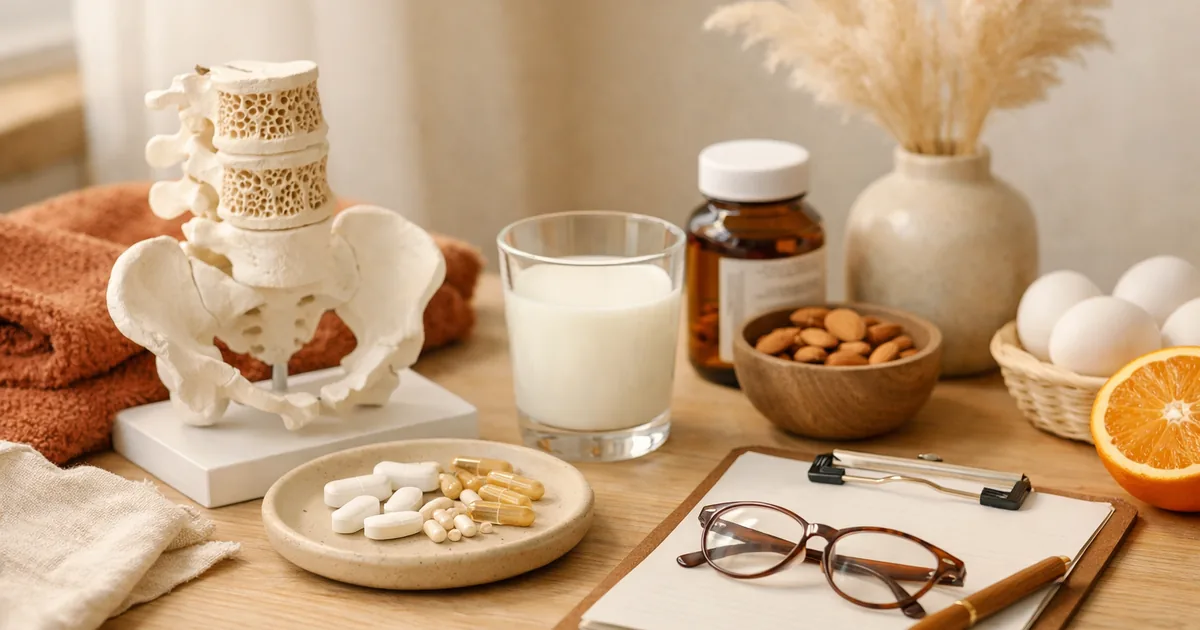
- Calcium & vitamin D — bone loss speeds up after menopause, so start early.
- Protein & iron — for muscle and to prevent anemia (iron deficiency).
- Don't smoke — smoking brings menopause earlier and worsens bone and heart risk.
Hormone therapy (HRT)
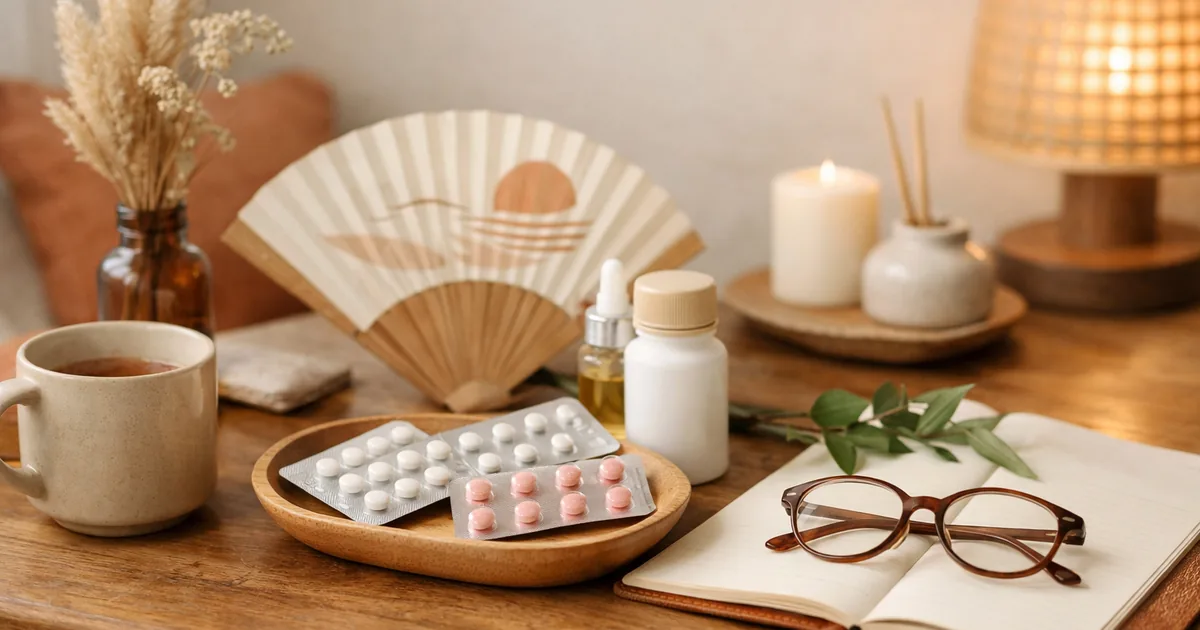
For strong symptoms, hormone replacement therapy is the most effective treatment — replacing estrogen (with progesterone if you still have a uterus).
| Item | Detail |
|---|---|
| Main benefits | Relieves flashes, night sweats, dryness; prevents osteoporosis |
| Best timing | Early menopause (generally before 60, within 10 years) |
| Use caution if | History of breast cancer, blood clots, heart disease |
| Forms | Pills, gels/patches, vaginal products |
Older fears of "HRT = breast cancer" were overstated; current evidence says that used early and for a reasonable duration, benefits outweigh risks for many women. It depends on your history, so decide with your doctor. If HRT isn't suitable, non-hormonal medications or vaginal moisturizers can help.
Screenings to keep up after menopause
With estrogen gone, bones and blood vessels weaken. Even without symptoms, keep up: bone density scans, mammograms, cervical screening, and blood pressure / glucose / cholesterol checks (reading your results).
FAQ
My periods got irregular — is this menopause already?
After the mid-40s, irregular cycles often mean perimenopause. But sudden changes or heavy bleeding deserve a check for other causes.
How long do symptoms last?
It varies — on average 4–7 years, and hot flashes can run longer. Good management greatly reduces the intensity.
Can supplements alone handle it?
Plant estrogens (soy, etc.) may help mild symptoms, but the effect is limited. For strong symptoms, consider medical treatment.
Menopause isn't a disease — it's a natural transition. But if symptoms disrupt your life, you don't have to endure them: lifestyle care and hormone therapy can carry you through comfortably.
This is general information, not a diagnosis or prescription. Symptoms and treatment vary widely — consult a gynecologist or physician. See also osteoporosis in women and iron-deficiency anemia.