We take losing strength with age as inevitable — but much of it is sarcopenia, an actual condition of rapidly declining muscle mass and strength. It leads to falls, fractures, and loss of independence, and in severe cases raises mortality risk. The good news: sarcopenia is one of the few aging changes you can reverse with protein and strength training. Here's how to self-check and prevent it.
What is sarcopenia?
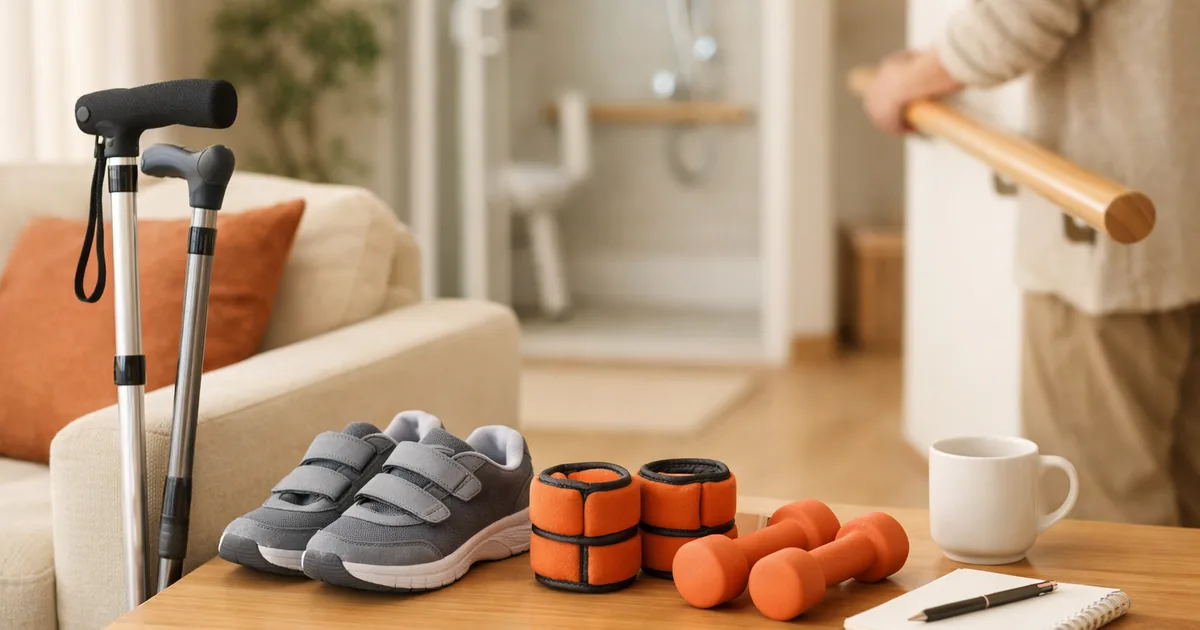
Muscle starts declining in your 30s–40s and drops sharply after 70. Losing muscle doesn't just weaken you — it makes you fall-prone (falls), worsens blood sugar and metabolism, and slows recovery. Muscle is the body's "reservoir and engine," so protecting it is central to healthy aging.
A home self-check
Several of these signs suggest sarcopenia — start managing and get checked.
| Self-check | Warning sign |
|---|---|
| Calf circumference | Under ~34cm (men) / 33cm (women) may signal low muscle |
| Rising from a chair | Struggling to stand 5× without using your arms |
| Walking speed | Too slow to cross at a green light |
| Grip strength | Noticeably weaker at opening bottles/gripping |
| Weight vs. muscle | Weight steady but you feel weaker and softer |
Two pillars: protein + strength training
Sarcopenia is largely reversible if you eat and move well. The keys are enough protein and resistance exercise.
| Item | Recommended | Point |
|---|---|---|
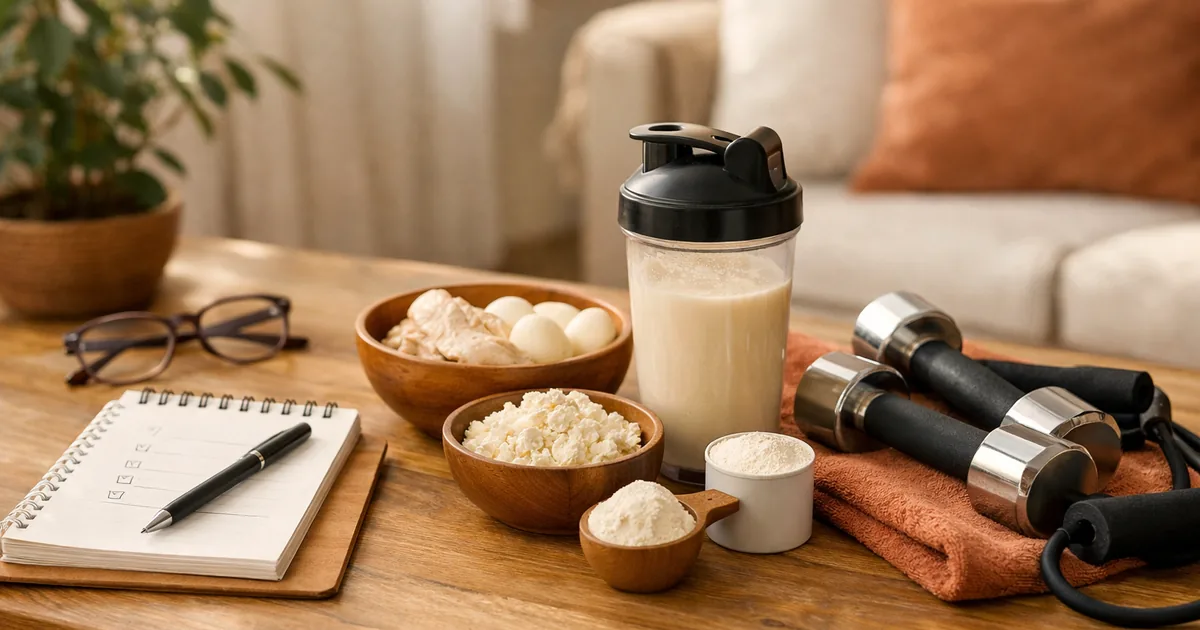
| Protein amount | 1.0–1.2 g per kg/day | More than young adults (0.8g). ~60–72g for a 60kg person |
| Protein timing | 20–30g spread across meals | Three meals beats one big load for absorption |
| Protein type | Quality (animal + plant mix) | Meat, fish, eggs, tofu, beans, dairy |
| Strength training | Resistance work 2+×/week | Bands, dumbbells, bodyweight (squats, sit-to-stands) |
To gauge your daily calories and protein, see our BMI & calorie calculator. Aerobic work like walking isn't enough on its own — you need exercise that loads the muscle.
How to get enough protein
| Food (one serving) | Protein (approx.) |
|---|---|
| 1 egg | ~6g |
| Half a block of tofu (150g) | ~12g |
| Chicken breast 100g | ~23g |
| Fish (e.g., mackerel) 100g | ~20g |
| 1 glass of milk (200ml) | ~6g |
| Beans, soy milk, yogurt | Use as supporting sources |
Older adults often eat too little protein as appetite fades. Aim for a palm-sized protein dish at each meal; if chewing is hard, use softer options like tofu, eggs, fish, and dairy.
Example: a 65-year-old with thinning calves
Say a 65-year-old (60kg) feeling weaker with thinner calves. ① Daily protein target ~60–72g → eggs/milk at breakfast, fish/tofu at lunch, meat/beans at dinner, spread across three meals. ② Do chair squats and band exercises 2–3×/week for leg strength. ③ Get vitamin D and sunlight. ④ As strength returns, fall risk drops too. Keep it up for a few months and strength and balance improve visibly.
Action checklist
- ☐ Target 1.0–1.2g protein per kg daily
- ☐ A protein dish (palm-sized) at every meal
- ☐ Resistance training 2+×/week (bands, weights, bodyweight)
- ☐ Walking + strength together (aerobic alone isn't enough)
- ☐ Vitamin D, sunlight, enough calories
- ☐ Kidney disease etc.? Set protein amount with a doctor
Caution. More protein isn't always better. Those with reduced kidney function can be harmed by excess protein — set the right amount with a doctor. Protein powders are a "supplement" for when meals fall short, not a replacement.
FAQ
Q. Won't lots of walking build muscle?
Walking is great, but building muscle needs resistance exercise. Combine walking (heart/lungs) with strength work (muscle) for real prevention.
Q. Can I gain muscle if I start old?
Yes. Research shows people in their 70s and 80s gain strength and muscle with resistance training. It's never too late — light and consistent is the key.
Q. Should I take protein supplements?
Not if meals suffice. Use them as backup when appetite or chewing limits intake. With kidney disease, consult a doctor.
Q. Is sarcopenia diagnosed at a clinic?
Yes — via muscle mass (body composition), grip strength, and gait speed. If several self-check signs appear, get a proper assessment and an exercise/nutrition plan.
Sarcopenia isn't "just age" — it's a manageable condition. Protein at every meal and strength training twice a week are the surest investment to prevent falls and protect independence.
This is general health information, not a diagnosis or treatment. Protein amounts and exercise intensity depend on your health (especially kidney disease) — consult a doctor before starting. See also our fall-prevention guide and senior medication guide.